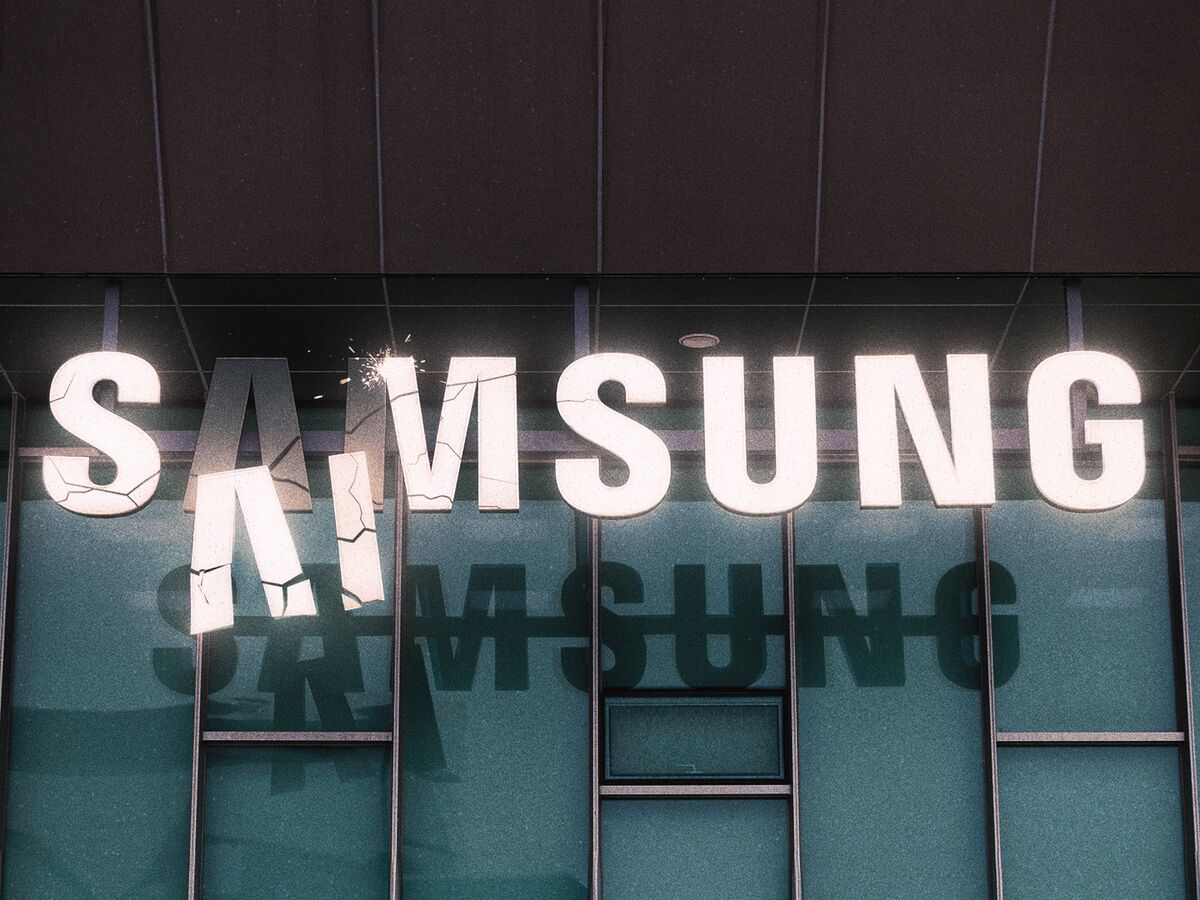
Samsung Electronics is reportedly losing its leadership in the critical High-Bandwidth Memory (HBM) chip market, essential for advanced artificial intelligence, despite its historical dominance in Dynamic Random Access Memory (DRAM). Competitor SK Hynix, having partnered with AMD, capitalized on the AI boom to develop these high-demand chips, leaving Samsung at a disadvantage. This strategic misstep poses significant challenges for Samsung and carries broader economic implications for South Korea.
Samsung Electronics is facing a significant strategic challenge as it loses its historical leadership in the memory chip market, a segment more critical to its business than consumer electronics. The company's dominance in Dynamic Random Access Memory (DRAM) has been overshadowed by the rapid ascent of High-Bandwidth Memory (HBM) chips, which are essential for advanced artificial intelligence applications. This market shift has caught Samsung unprepared, while competitor SK Hynix, through a strategic partnership with Advanced Micro Devices (AMD) to develop HBM for what was once a niche gaming market, has now secured a leading position. This failure to anticipate the AI-driven demand for HBM represents a fundamental threat to Samsung's core operations and carries wider economic implications for South Korea, given the company's importance to the national economy.
AI-powered research, real-time alerts, and portfolio analytics for institutional investors.
Request DemoOverall Sentiment
strongly negative
Sentiment Score
-0.65
Ticker Sentiment
