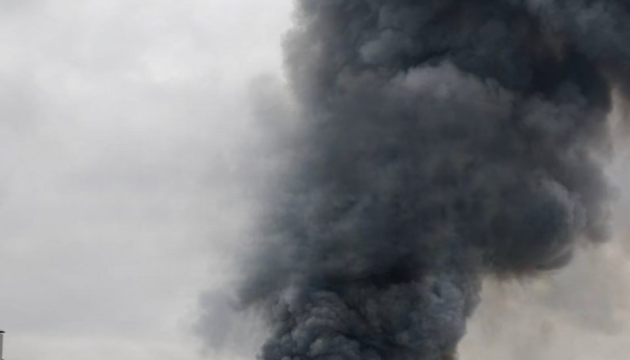
A powerful explosion at Nizhnekamskneftekhim in Tatarstan injured more than 50 people and killed one (earlier reports cited 13 injured, 7 hospitalized). The company attributed the incident to an equipment malfunction followed by a fire; authorities also issued a regional 'drone threat' alert while local officials say air quality poses no detected threat. Nizhnekamskneftekhim is a major global synthetic rubber producer and part of Sibur's Volga cluster, so a prolonged outage could tighten regional synthetic-rubber/petrochemical supply and affect related commodity and sector dynamics.
A concentrated outage in a major petrochemical node will transmit quickly into spot markets for synthetic rubbers and C4-derived monomers (butadiene) because those products have limited short-run substitution and rely on regional pipeline and break-bulk logistics. Expect a sharp, front-loaded response over days–weeks as buyers draw inventories and scramble to rebook cargoes; meaningful price pressure should be visible in spot spreads within 1–6 weeks while contract volumes remain sticky through the quarter.
Winners in the near term are non-Russian suppliers able to reallocate export volumes into Europe and Asia, and recyclers/alternative elastomer producers who can arbitrage price differentials; losers are tire and rubber converters with low forward cover and thin margins who must buy spot at a premium. Secondary effects include higher freight and political risk premia for shipments out of the Volga/Black Sea sphere, lifting insurance and logistics costs that compress downstream EBTDA even if product prices rise.
Key tail risks: escalation of targeted strikes or a multi-site outage that forces force-majeure declarations could extend disruption from weeks into quarters; conversely, rapid re-routing, inventory liquidation, or substitution by SEA producers could normalize spreads within 6–12 weeks. Watchables that will flip the trade: published force-majeure notices, spot butadiene/SBR prints, and freight/insurer rate changes.
The consensus is likely to treat this as a permanent supply shock; that overstates long-term structural loss. Most capacity is refillable via trade lanes and restart cycles in 1–3 quarters, so prefer transient directional plays or relative-value pairs that capture a near-term dislocation without taking a long-duration single-name concentration risk.
AI-powered research, real-time alerts, and portfolio analytics for institutional investors.
Request DemoOverall Sentiment
mildly negative
Sentiment Score
-0.35
