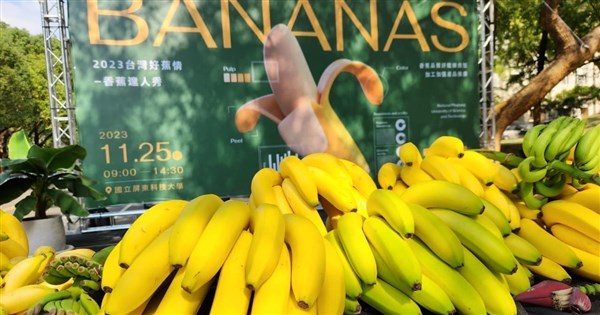
Taiwanese researchers and the Taiwan Banana Research Institute have long-managed coexistence with the TR4 Panama disease and have identified multiple Cavendish-derived variants with substantial resistance (e.g., Tai-Chiao No.1 ~80–90% resistant, No.5 ~80% resistant, and a 2025 Williams-derived variant ~70% resistant). A November 2025 PNAS study led by Academia Sinica found TR4 resistance is associated with loss of specific DNA segments that remove immune-suppressing genes, offering a mechanistic route to breed or develop resistant cultivars; since 2015 TBRI has exported roughly 2.8 million plantlets and countries including the Philippines are importing resistant strains. The findings reduce downside risk for global Cavendish supply chains and create potential commercial opportunities in plantlet exports and applied agricultural biotech, while regulatory/phyto-sanitary concerns and high local infection prevalence (over 80% of farms still infected) remain material constraints.
Market structure: Taiwan's discovery (resistance via gene loss) shifts value from commodity growers toward intellectual-property, tissue-culture suppliers and genomics/tool vendors. Expect 12–36 month increases in demand for certified resistant plantlets and licensing, crowding out spot-driven price spikes in bananas; global Cavendish export volatility could fall by mid-single digits to low-double digits over 2–4 years as replanting ramps.
Risk assessment: Key tail risks are regulatory export bans, TR4 mutation overcoming resistance, or IP/legal restrictions that limit commercial licensing; any of these could wipe out expected revenue streams within 6–18 months. Hidden dependencies include nursery capacity (lab throughput), phytosanitary approvals and farmer replanting economics (capex payback 2–5 years) — failure on any front delays benefits.
Trade implications: Direct winners are ag-biotech, lab-equipment and precision-ag vendors (genomics tools, tissue-culture providers) while fungicide/chemical players and commodity banana exporters face margin pressure if adoption scales. Cross-asset: EM banana-exporters' credit spreads could tighten if supply risk falls; commodity indices tracking fresh fruit may see reduced backwardation; FX moves will be idiosyncratic (Ecuador USDized — limited FX effect) but regional agricredit bonds in Philippines/Ecuador may outperform.
Contrarian angle: Market likely underestimates time-to-scale: replant cycles, certification and logistics mean commercial impact is 1–3 years, not immediate — a fast-money rally on the paper may be overdone. Conversely, an underpriced opportunity exists in select genomics and lab-equipment names where a 12–24 month revenue uptick from licensing/tissue-culture contracts is hard to model but plausible (20–50 bps incremental revenue for mid-cap vendors).
AI-powered research, real-time alerts, and portfolio analytics for institutional investors.
Request DemoOverall Sentiment
moderately positive
Sentiment Score
0.35
