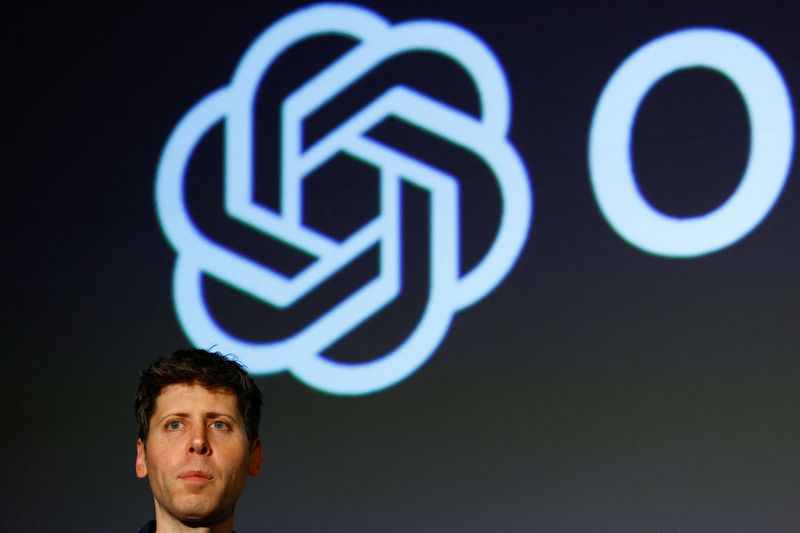
Republican lawmakers and six GOP state attorneys general are scrutinizing OpenAI CEO Sam Altman’s business dealings, with the House Oversight Committee opening an investigation into potential conflicts involving his personal investments and OpenAI partnerships. The attorneys general urged the SEC to review OpenAI’s governance before any IPO, adding regulatory risk ahead of a planned public listing. The report also highlights Elon Musk’s ongoing lawsuit over OpenAI’s shift from nonprofit to for-profit.
The near-term read-through is less about OpenAI specifically and more about the capital-markets discount applied to AI governance risk. A pre-IPO company with unresolved conflict-of-interest questions raises the odds of a longer diligence process, a wider valuation range, and more conservative anchor orders from crossover funds. That dynamic can bleed into the broader AI private-markets complex: secondary buyers will demand a governance haircut, and late-stage founders with side-investment entanglements will see less tolerance from future IPO investors. For listed beneficiaries, this is mildly supportive for incumbents with cleaner governance and existing public-market scale. The second-order effect is that enterprise customers and partners may prefer publicly traded AI infrastructure vendors over venture-backed platforms if headline risk rises around board oversight, related-party transactions, and regulatory scrutiny. That is a relative multiple tailwind for the more established AI names versus pre-IPO software or model companies, while the most speculative venture-backed AI ecosystem names could face a higher cost of capital. The contrarian point is that the market may be overestimating the immediate legal threat and underestimating the settlement path. Regulatory and congressional scrutiny can delay an IPO, but it rarely kills the asset if growth remains exceptional; the more realistic outcome is a timetable pushout and a valuation reset, not a permanent impairment. The key catalyst window is 1-3 months: if document production reveals clean governance practices, the premium could re-rate quickly, while a formal SEC review or amended partnership disclosures would extend the overhang for quarters rather than weeks. SMCI and APP look like proxies rather than direct exposure, but they can trade on the same AI risk appetite cycle. If the headline fades, high-beta AI winners likely recapture flow faster than fundamentals change, making this more of a sentiment event than an earnings event. The tradeable edge is to fade the pre-IPO AI exuberance, not the entire AI capex complex.
AI-powered research, real-time alerts, and portfolio analytics for institutional investors.
Request DemoOverall Sentiment
moderately negative
Sentiment Score
-0.35
Ticker Sentiment
