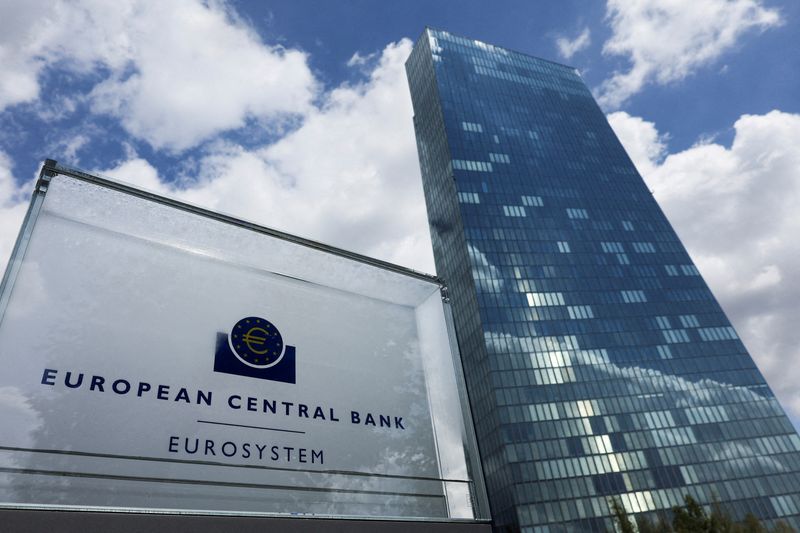
Oil prices slid over 2% after an Iraq‑Kurdish supply deal amid persistent Iran-related fears. Citi expects ECB policy rates to remain around 2% through 2026, even as inflation is projected to rise toward ~3% through much of 2026, complicating the central bank's response to an exogenous energy shock. Citi argues the ECB will likely adopt a 'wait and see' approach because supply-driven shocks are hard to assess as permanent vs. transitory, and hiking now would signal an unequivocal demand-dampening intent and risk fiscal conflicts.
Markets are trading a binary — immediate policy tightening priced into near-term Euribor/EUR swaps versus the political and operational reality of an uncertain supply shock. That mismatch creates a high-convexity regime: short-dated European real yields can gap lower by ~10–30bp within weeks if policymakers stick to a wait-and-see script, while risk premia in energy and sovereign-risk assets can reprice by multiples if a credible supply escalation occurs. Second-order winners will be instruments that benefit from higher realized energy volatility but not from persistent higher-for-longer policy rates: short-dated oil volatility (OVX) and tanker/insurance equities that reprice quickly to premiums, and US onshore E&P with low incremental capex requirements that can flex production in months. Losers include long-duration European financials and consumer cyclicals exposed to higher energy pass-through where margins compress and fiscal backstops become politically contested over 6–18 months. Key catalysts to watch with timing: frequency and scale of Iran-related incidents (days–weeks), monthly crude inventory and tanker-flow surprises (weekly), and 2y Euro area break-evens/sovereign spreads (1–3 months). A de-escalation narrative will collapse energy premia quickly, while a sustained sequence of incidents will push markets to price multiple ECB hikes and materially steepen EUR curve beyond current levels within a quarter.
AI-powered research, real-time alerts, and portfolio analytics for institutional investors.
Overall Sentiment
mildly negative
Sentiment Score
-0.20
Ticker Sentiment
