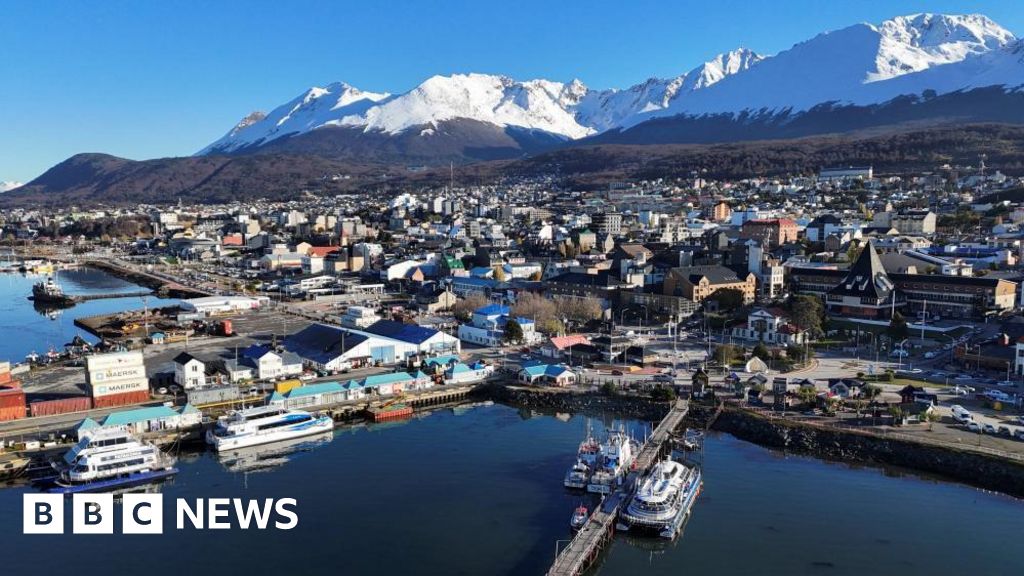
Argentina's Ushuaia is facing reputational and potential tourism headwinds after speculation it may be linked to the hantavirus outbreak aboard the Dutch cruise ship MV Hondius, though local officials say the province has had zero reported hantavirus cases since 1996. The cruise industry is economically important to Tierra del Fuego, with more than 500 port calls a year and over 95% of Antarctica-bound boats departing from Ushuaia, but there have been no official cancellations yet. Authorities are still trying to identify the infection source, and the main impact so far appears to be heightened scrutiny rather than an immediate disruption to operations.
This is a reputational shock, not a systemic health shock. The direct equity impact is likely concentrated in the local cruise/tourism ecosystem, but the second-order effect is that operators with itinerary optionality will re-rate Ushuaia as a higher-friction port for several booking cycles, even if the epidemiology ultimately clears the province. In practice, that means higher demand leakage toward Antarctic programs that can substitute through Punta Arenas, Hobart, or Cape Town, plus a short-term premium for operators that can prove stronger biosecurity and medical screening.
The bigger issue is timing mismatch: the investigation will take weeks, while booking behavior can change in days. That creates a window where forward sales for the next Southern Hemisphere cruise season can soften before any definitive public-health finding arrives. Small local businesses absorb the immediate hit, but the larger listed beneficiaries are likely outside Argentina: cruise lines and travel platforms with diversified polar inventory may capture displaced demand, while single-port-dependent excursion providers face the greatest margin compression.
The contrarian read is that the market may be overpricing contagion risk and underpricing resilience in Antarctic tourism. Unlike airport or urban outbreaks, this is a low-density, high-screening travel product with a sophisticated customer base that tends to rebook rather than cancel outright. The real catalyst is not case counts but whether regulators or insurers impose new operating protocols; if they do, that raises cost per passenger and could permanently tighten supply in a niche market, supporting pricing power for the best-capitalized operators.
AI-powered research, real-time alerts, and portfolio analytics for institutional investors.
Request DemoOverall Sentiment
mildly negative
Sentiment Score
-0.35
