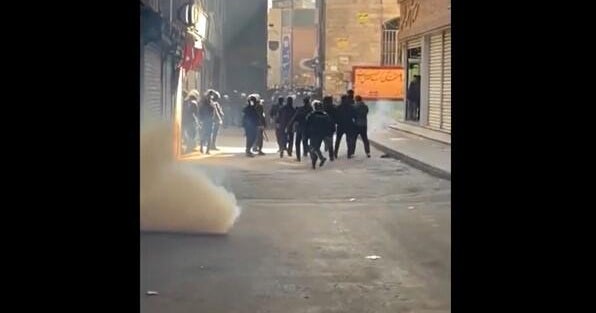
Widespread anti-government protests driven by soaring inflation and years of sanctions have spread to more than 250 locations in at least 27 provinces in Iran, with a U.S.-based rights group reporting at least 36 confirmed deaths and more than 2,000 arrests. Tehran has responded with security crackdowns and a mix of fiscal measures — freezing some commodity prices and taxes and announcing cash subsidies for households — while President Trump’s veiled threat of U.S. intervention and recent strikes on Iranian facilities heighten regional geopolitical risk. The developments increase downside risk for Iranian assets and pose potential spillovers to regional geopolitical risk premia and commodity markets, particularly oil, should violence escalate or elicit retaliatory action.
Market structure: Geopolitical escalation in Iran asymmetrically benefits energy producers (integrated majors XOM, CVX) and defense primes (RTX, LMT, NOC) while hurting regional EM assets, airlines (AAL, UAL) and commodity‑importing economies. A credible disruption of the Strait of Hormuz (carries ~20% of seaborne crude) would tighten crude balances sharply — a shortfall of 1–3 mbpd would likely push Brent +$10–$30 in weeks as spare OPEC+ capacity is limited.
Risk assessment: Tail scenarios include a US military strike or Iran retaliation that drives oil >$100/bbl and EM sovereign spreads +200–400bps; short-term (days) volatility and safe‑haven flows to USD/UST/Gold are most likely, medium (1–6 months) sees EM credit widening and defense capex repricing, long (>6 months) could mean sustained higher defense budgets and energy capex. Hidden dependencies: information blackouts and false leaks raise information risk and can cause abrupt liquidity withdrawal in regional FX and CDS markets; key catalysts are US statements, shipping incident reports, OPEC meetings and SPR releases.
Trade implications: Tactical plays favor short‑dated Brent call exposure and modest long defense equity exposure while hedging with USD/USTs; options permit asymmetric risk-reward given likely volatility spikes in 0–90 days. Sector rotation: increase energy/defense weights by 2–4% funded by trimming EM equities and discretionary travel names; reprice positions if Brent moves >15% or EMBI spreads tighten by >100bp.
Contrarian angles: Market may overprice a protracted closure — past regional incidents produced short-lived spikes (weeks), so integrated majors (XOM/CVX) with downstream exposure can be safer than pure‑plays; conversely, defense stocks may already price rapid escalation. Unintended consequences include higher oil → stronger inflation → hawkish central banks which could invert the safe‑haven trade (gold up, bonds down) if inflation expectations reaccelerate.
AI-powered research, real-time alerts, and portfolio analytics for institutional investors.
Request DemoOverall Sentiment
strongly negative
Sentiment Score
-0.55
