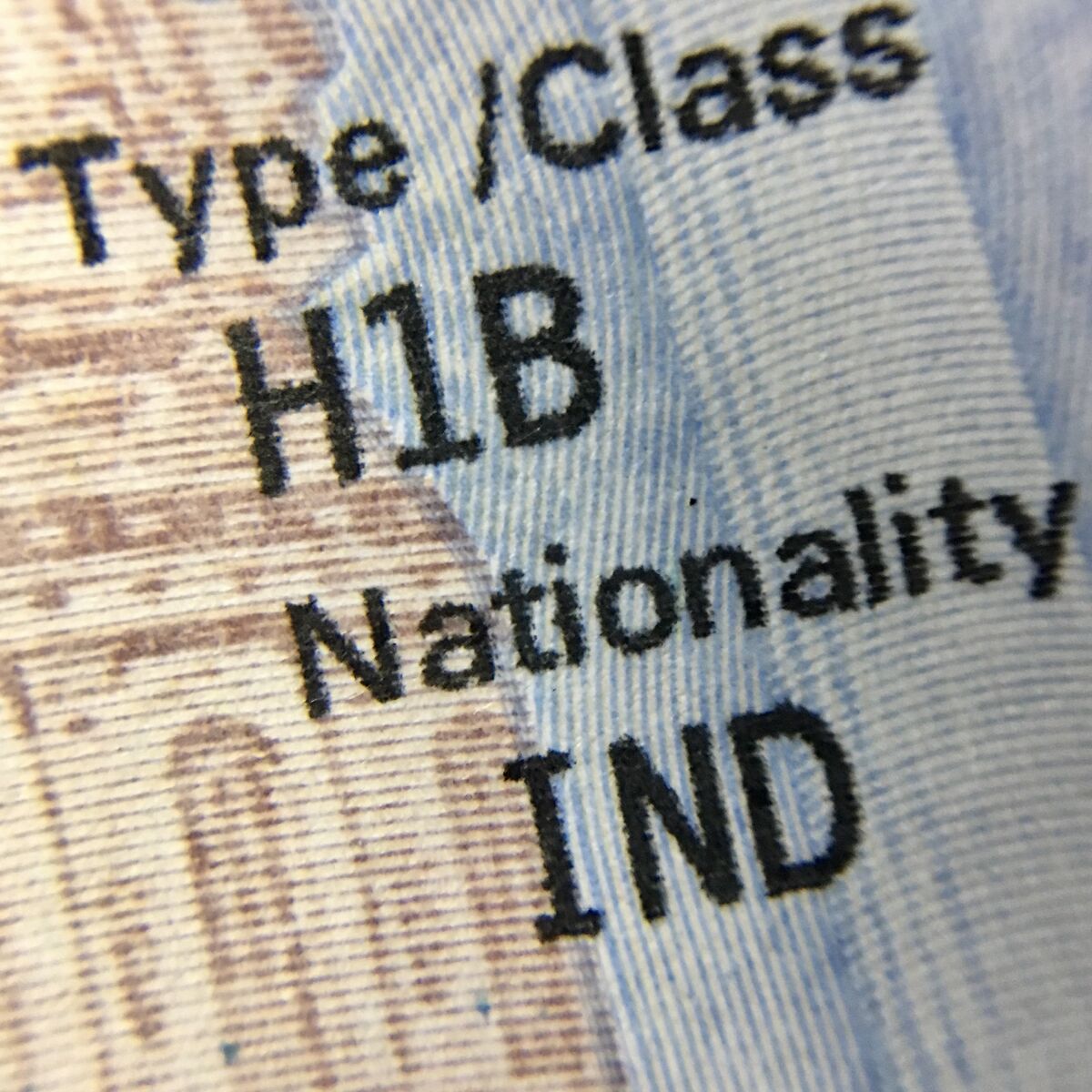
President Trump's proposed $100,000 H-1B visa fee is creating significant concern within the global workforce, particularly among Indian employees who comprise about 70% of recipients. This substantial cost increase could disrupt talent acquisition strategies for companies reliant on H-1B visas and profoundly affect the operational models of Indian IT service providers, potentially leading to shifts in global talent allocation.
A proposed $100,000 H-1B visa fee by Donald Trump represents a significant potential disruption to the global skilled labor market, with a strongly negative sentiment indicated by market signals. The policy would disproportionately impact the Indian workforce, which accounts for approximately 70% of all H-1B recipients, and by extension, the operational models of companies reliant on this talent pool. This development introduces a substantial regulatory and political risk for US technology and IT services firms that depend on the H-1B program for talent acquisition. The magnitude of the proposed fee threatens to drastically increase labor costs, which could compress margins and force a strategic re-evaluation of hiring and offshoring strategies, particularly for Indian IT service providers whose business models are heavily integrated with the H-1B system.
AI-powered research, real-time alerts, and portfolio analytics for institutional investors.
Request DemoOverall Sentiment
strongly negative
Sentiment Score
-0.75
