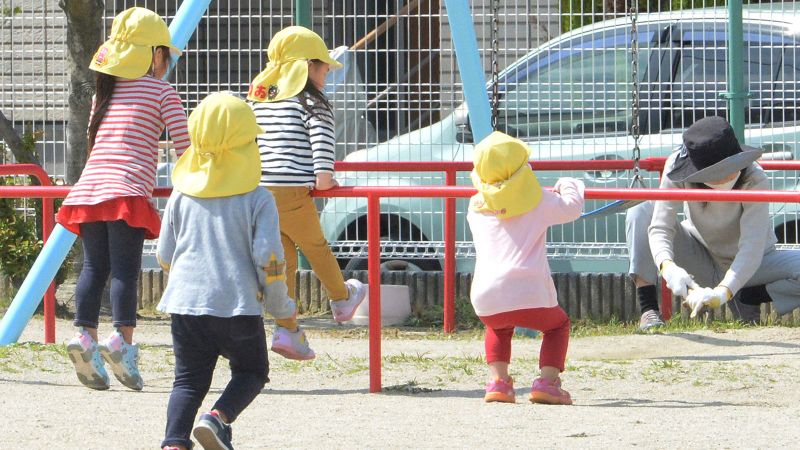
Japan's population recorded its largest annual decline on record, shrinking by over 900,000 people last year to 120 million, marking 16 consecutive years of contraction. This accelerating demographic crisis, characterized by a rapidly aging population (nearly 30% elderly) and a shrinking working-age cohort (59% of total), poses severe long-term strains on the nation's pension and healthcare systems and overall economic productivity. While government efforts to reverse birth rate declines have been largely ineffective, a significant 10% increase in foreign residents last year to a record 3.6 million suggests that international migration may partially mitigate the pace of decline in the coming decades, as projected by government models.
Japan's demographic crisis is accelerating, as evidenced by a record population decline of over 900,000 last year, bringing the total to 120 million. This marks the 16th consecutive year of contraction, driven by a widening gap between a record-low 687,689 births and a record-high 1.6 million deaths. The core issue is a severe structural imbalance: the elderly now comprise nearly 30% of the population, while the working-age cohort has contracted to just 59%, significantly below the OECD average of 65%. This trend, deemed irreversible for several decades by demographers, places immense and growing pressure on Japan's pension and healthcare systems and constrains long-term economic productivity. While government initiatives to boost fertility have proven ineffective, a notable 10% increase in the foreign resident population to a record 3.6 million suggests that immigration is emerging as a primary, albeit partial, mitigating factor. Government models project this influx will slow, but not reverse, the overall population decline expected through 2070.
AI-powered research, real-time alerts, and portfolio analytics for institutional investors.
Overall Sentiment
strongly negative
Sentiment Score
-0.75
