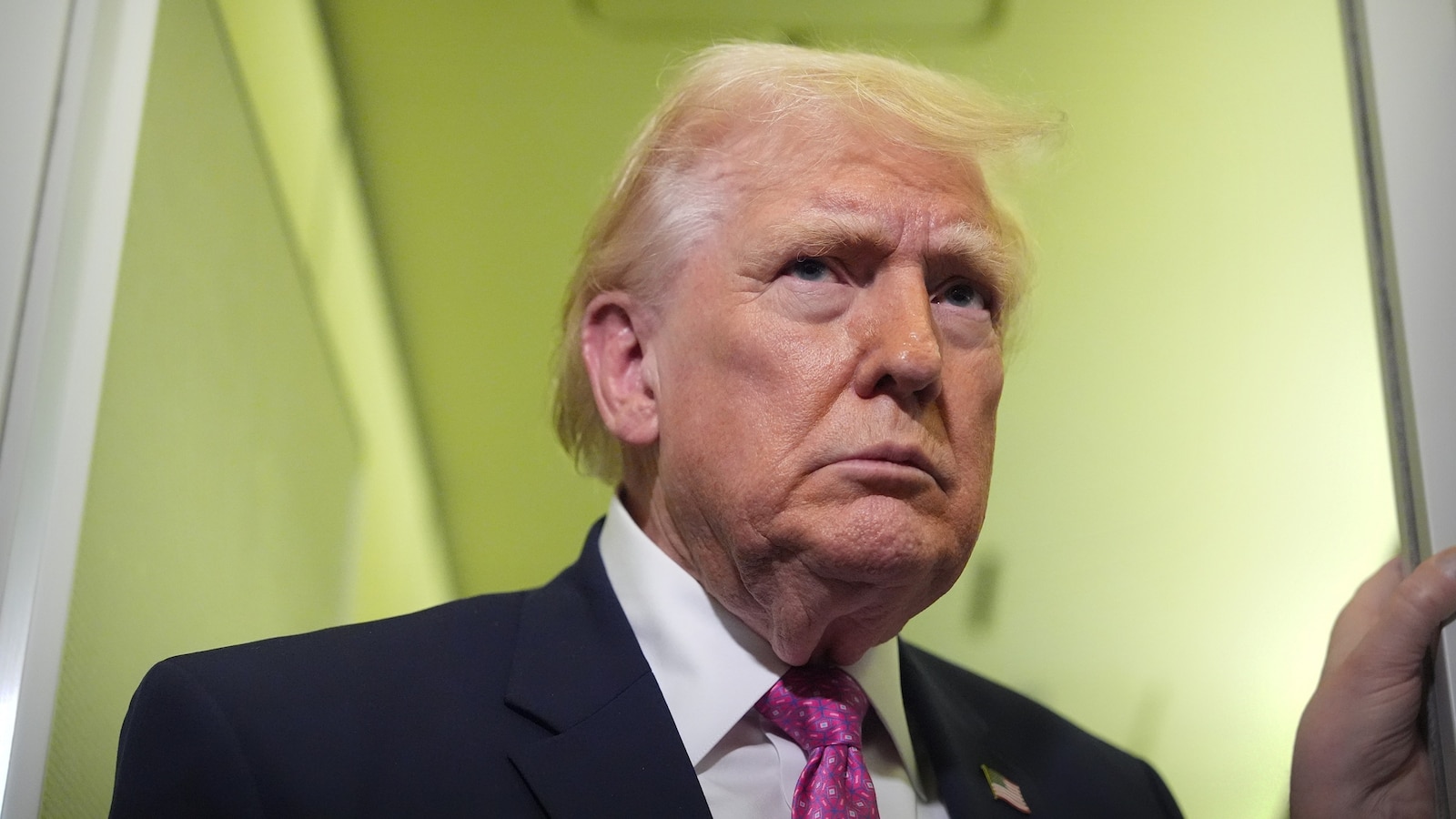
Oil traded around $117/bl, up more than 50% from pre-war levels; the Dow is down over 3,000 points and the S&P near 500 points since the conflict began. President Trump said his administration is negotiating with Iranian Parliament Speaker Mohammad Bagher Ghalibaf (a hardliner) and floated seizing Iran's oil while issuing a direct threat ('we know where he lives'), amplifying geopolitical risk. Expect continued risk-off positioning, elevated volatility in equity markets, and sustained upside pressure on energy prices with attendant supply-risk implications.
The market is repricing a structural risk premium that sits outside oil fundamentals: higher political opacity raises insurance, freight and counterparty risk in maritime crude logistics, which amplifies delivered fuel costs independent of wellhead volumes. That mechanism benefits tanker owners and US refiners with access to cheaper inland crude differentials while compressing margins for energy-intensive manufacturers and airlines; expect 200–500bps working-capital pressure on exposed industrials if freight/insurance stays elevated for 3+ months.
Electoral signaling from a negotiating power-broker creates asymmetric tail risk: rhetoric raises the probability of isolated kinetic incidents (days–weeks) while any credible attempt to seize assets or block exports would flip to a multi-quarter supply shock. Conversely, US shale can respond within ~60–120 days to price signals, capping a sustained price spike if drillers receive consistent $80+/bbl signals and capital markets remain open.
Key catalysts that will move positions are discrete and time-stamped: near-term headline shocks and tanker attacks (days–weeks); OPEC+ spare capacity and SPR releases (weeks–3 months); and supply-side reactivation by US shale or release of Iranian barrels (3–12 months). Monitor shipping insurance rate indices, timed charter rates for Aframax/Suezmax, and immediate option-implied moves in Brent/WTI as leading indicators for position sizing.
The consensus is leaning toward a pure oil-supply narrative; the second-order payoff is in logistics/insurance and selective credit stress for high fixed-cost transport/users. That makes duration-sensitive, asymmetric option structures and cross-sector pairs more attractive than long-only commodity exposure—you get convexity to episodic spikes without being exposed to full mean reversion if diplomacy or supply response restores calm within a quarter.
AI-powered research, real-time alerts, and portfolio analytics for institutional investors.
Request DemoOverall Sentiment
moderately negative
Sentiment Score
-0.45
