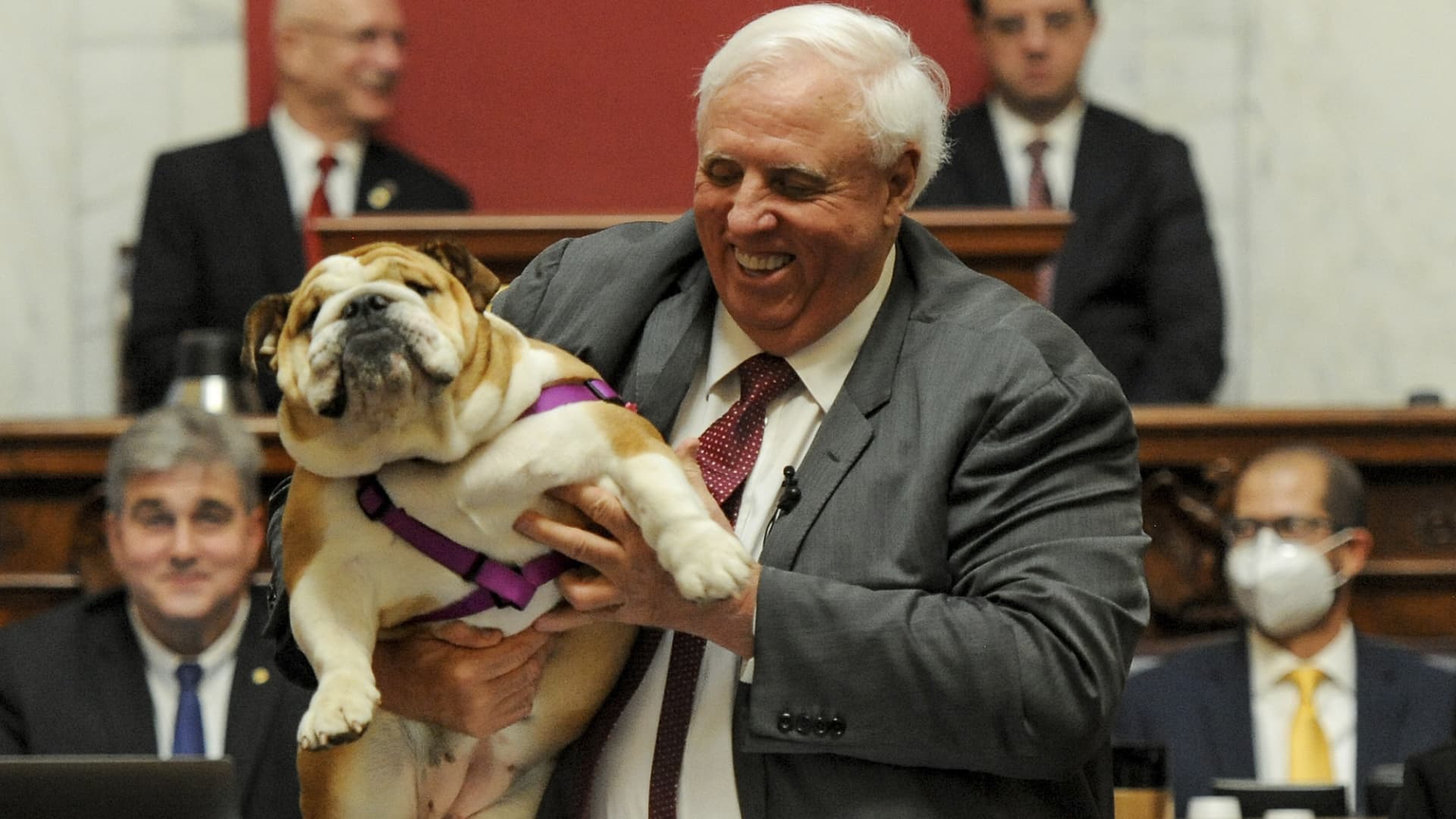
The U.S. Department of Justice's Tax Division sued Sen. Jim Justice and his wife seeking a $5,164,739.75 judgment for unpaid federal income taxes, penalties and interest tied to a 2009 assessment (dated Nov. 25, 2015), and filed a joint motion with the Justices seeking a consent judgment for that amount. The action follows IRS tax liens for more than $8 million (including a ~ $3M 2009 assessment, ~ $5M for 2017 and ~ $11k for 2024) and comes as a separate federal ruling in Tennessee found Justice liable for over $29 million in civil damages related to a surety-bond dispute; the case raises collection timing questions given statutory 10-year assessment windows and could affect perceptions of the senator’s personal financial exposures.
Market structure: This is a localized credit/reputational shock with asymmetric winners — purchasers of West Virginia-specific assets (munis, small banks) gain optionality if forced asset sales occur at a discount; holders of concentrated WV exposure or counterparties to the Justice family face downside via deposit flight or distressed-asset price pressure. Expect pricing pressure concentrated in single-state revenue and small-cap regional financials rather than national markets; impact should be contained unless litigation escalates into corporate-asset seizures over the next 3–12 months.
Risk assessment: Tail risks include a rapid forced asset liquidation or a broad civil judgment enforcement that pressures regional cashflows, producing >200–500bp spread widening in affected munis and 10–30% downside in exposed small-cap banks; probability low but severity high. Immediate horizon (days) sees headline-driven volatility; short-term (weeks/months) brings lien resolution and potential consent-judgment filing; long-term (quarters) risk is persistent reputational damage that could depress local deposit bases and deal flow.
Trade implications: Direct plays: hedge or reduce single-state muni exposure and size tactical shorts/put protection on WV-focused regional banks (size 0.5–2% of book). Use 3-month puts 8–12% OTM to cap premium drag; pair trades can be long national muni ETFs (MUB, VTEB) and short state-specific issues or monoline carriers with WV concentration. Monitor trigger events (consent-judgment entry, asset-sale notices) to add size quickly within 24–72 hours.
Contrarian angles: Consensus likely underestimates latent liquidity arbitrage: forced sales could create 12–18% dislocations in asset classes tied to the family’s holdings — a buying opportunity if contagion stays regional. Conversely, selling WV exposure indiscriminately risks being early; avoid large directional shorts in regional banks unless deposit outflows exceed 2% QoQ or muni spreads widen >50bp vs Treasuries as objective exit/scale-in triggers.
AI-powered research, real-time alerts, and portfolio analytics for institutional investors.
Request DemoOverall Sentiment
moderately negative
Sentiment Score
-0.50
