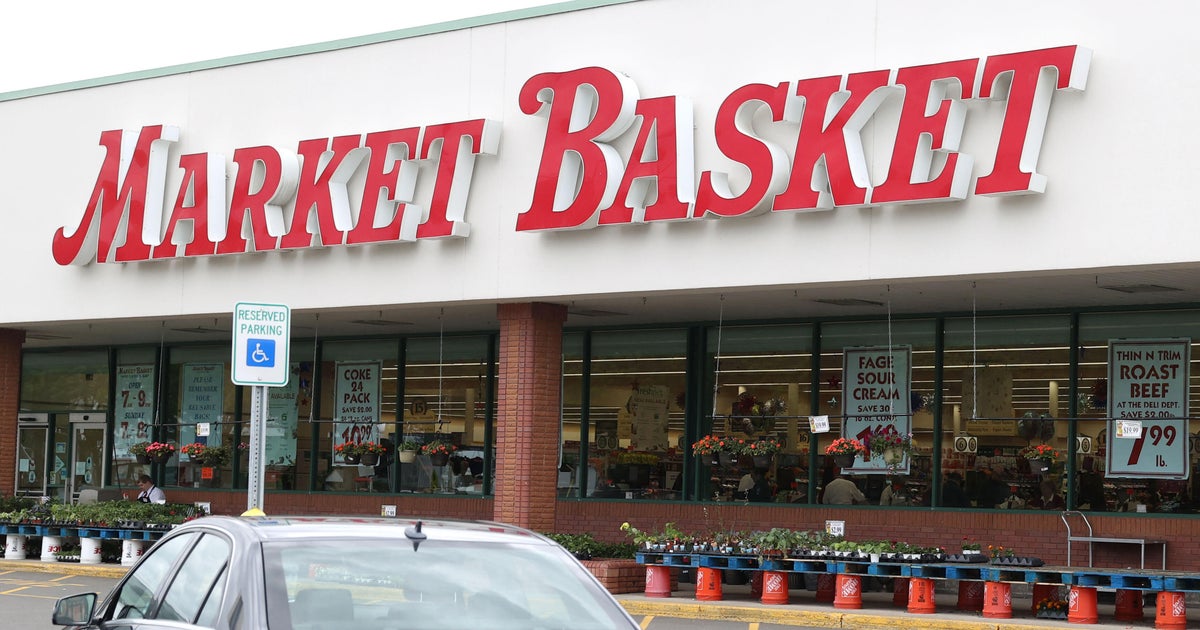
Market Basket, a Tewksbury, Massachusetts-based supermarket with nearly 100 New England stores, was ranked the No. 2 grocery retailer for a second consecutive year by customer data firm dunnhumby (H‑E‑B was No. 1), with the report highlighting price competitiveness and customer trust as key success factors. The chain's customer experience features such as no self-checkout and emphasis on human service were noted, but the company remains embroiled in a high-profile family governance dispute after the board fired CEO Arthur T. Demoulas last September; both sides sued and went to trial in Delaware in December, with a court decision expected this year.
Market-structure: The news reinforces a durable shift toward value- and membership-oriented grocers (Costco/COST, Walmart/WMT, Aldi) — these chains gain pricing power as consumers trade down; expect regional players to cede ~1–3% share in New England over 6–12 months if price competition intensifies. Human-service differentiation (Market Basket’s no-self-checkout stance) suggests niche loyalty that can blunt full share loss, but overall margin pressure will increase for higher-cost formats.
Risk assessment: Tail risks include a Market Basket board outcome that triggers a localized supply/staff disruption (low-probability, high-impact causing short-term traffic spikes to competitors and regional inventory shocks) and broader labor/transport strikes raising logistics costs +50–150bps for grocers. Immediate (days): sentiment volatility in regional grocery names; short-term (weeks/months): margin and traffic data in Qs and CPI food prints; long-term (quarters/years): consolidation and membership model strength.
Trade implications: Favor defensives and membership models—COST exhibits downside resilience and pricing optionality; WMT is a lower-beta defensive hedge. Expect modest downward pressure on food commodity prices if competition intensifies (mild disinflation over 3–6 months), small positive on IG bonds and minimal FX impact.
Contrarian angles: Consensus underestimates shopper stickiness from service culture — the 2014 boycott shows non-price loyalty can persist, so some regional share gains by national discounters may be overestimated. If Market Basket’s governance resolves quickly in favor of management, incumbents could re-accelerate growth, making short-term gains by competitors vulnerable to reversal.
AI-powered research, real-time alerts, and portfolio analytics for institutional investors.
Request DemoOverall Sentiment
mixed
Sentiment Score
0.05
Ticker Sentiment
