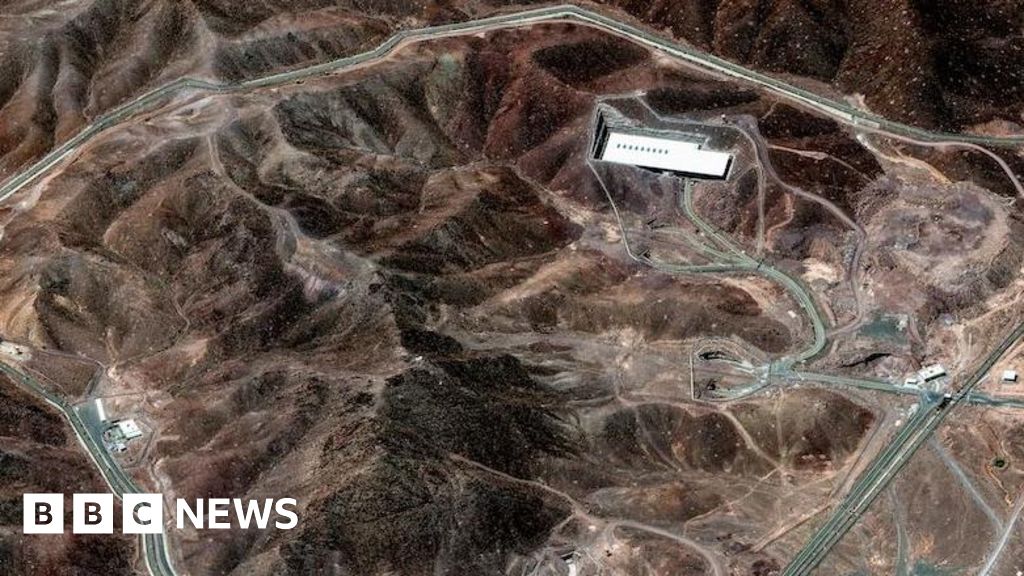
President Trump announced US strikes on three Iranian nuclear sites, including the Fordo uranium enrichment plant, escalating the conflict between Iran and Israel. The US claims the strikes, conducted with bunker-buster bombs, have "obliterated" the facilities, though this is unconfirmed, and were communicated to Iran as a limited action without regime change intentions. Iran, which insists its nuclear ambitions are peaceful, has warned of retaliation, potentially targeting US assets in the region or critical shipping routes, raising concerns about a broader regional war and destabilization of global markets.
The direct US military strikes on three Iranian nuclear facilities, including the heavily fortified Fordo site, represent a material escalation of the ongoing conflict between Iran and Israel. While the White House claims the targets were "completely and totally obliterated" using advanced GBU-57 bunker-buster munitions, these reports are unconfirmed and contested by Iranian officials, creating significant uncertainty about the operational impact on Iran's nuclear program. The most critical takeaway for markets is the heightened risk of Iranian retaliation. Explicit threats against US military assets in the region and, more importantly, against the Strait of Hormuz—a chokepoint for 30% of the world's seaborne oil supply—signal a high probability of severe disruptions to global energy markets. The US's direct intervention, despite diplomatic assurances of limited intent, elevates the situation from a regional proxy war to a direct conflict, substantially increasing the risk premium for assets exposed to geopolitical instability and oil price volatility.
AI-powered research, real-time alerts, and portfolio analytics for institutional investors.
Request DemoOverall Sentiment
extremely negative
Sentiment Score
-0.85
