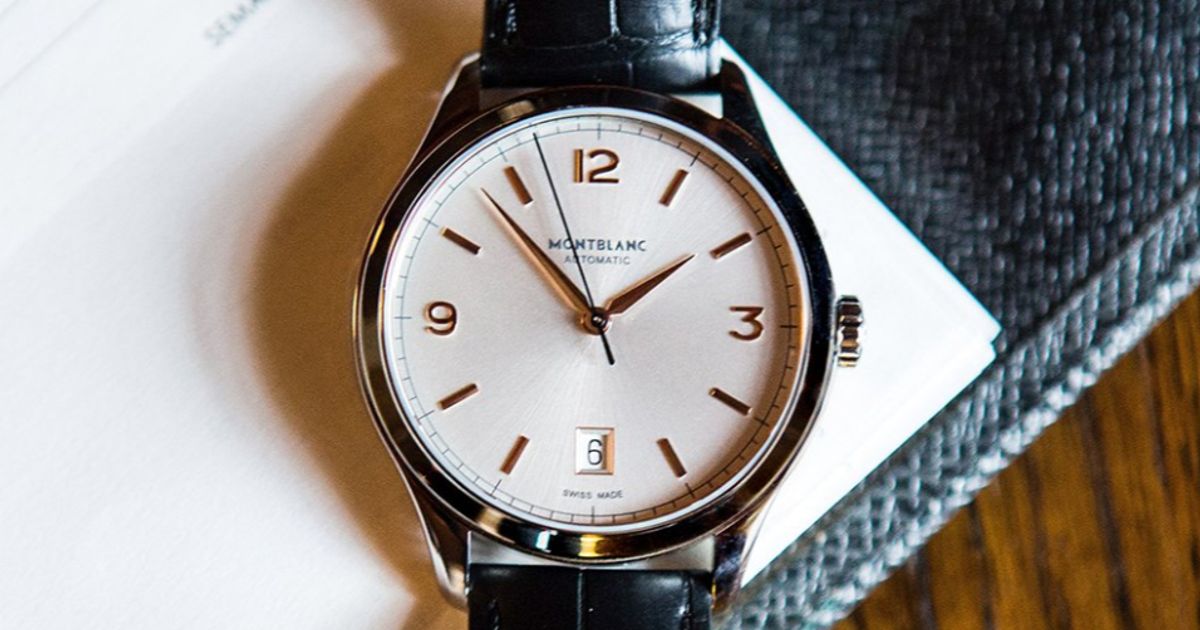
Watches of Switzerland reported H1 revenue of £845m for the 26 weeks to 26 October 2025, up 10% in constant currency, with adjusted EBIT rising 6% to £69m while margin narrowed to 8.1% due to margin rate and product mix changes. US trading drove performance—US revenue climbed 20% cc to £409m and accounted for nearly 60% of profitability—while UK and Europe were more modest; the group reiterated full-year guidance and generated strong free cash flow of £48m, and flagged a recent US tariff reduction on Swiss imports as a positive sector development.
Market structure: The tariff reduction on Swiss imports shifts near-term winners to US-facing retailers (Watches of Switzerland, ticker WOSG.L) and brand-agnostic multi-brand sellers; Swiss exporters (Richemont CFR.SW, Swatch UHR.SW) see mixed effects as margin pass-through and assortment shifts can compress wholesale pricing. Competitive dynamics favor well-capitalized, scale retailers in the US who can arbitrage lower landed costs into share gains; expect WOSG to capture incremental market share given US revenue +20% (to £409m) and ~60% profit contribution. Cross-asset: stronger US luxury demand supports USD, exerts mild upward pressure on credit spreads for weak UK retailers, and can lift gold/luxury-related commodity flows; move marginal for sovereign bonds but could tighten HY spreads in consumer discretionary sectors.
Risk assessment: Tail risks include abrupt US demand slowdown (luxury is cyclical), CHF appreciation or a policy reversal on tariffs, and inventory overhang causing discounting—each could knock 10–30% off near-term earnings. Time horizons: immediate (days) hinge on sentiment around H2 guidance; short-term (weeks–months) will be holiday-season sales and margin evolution; long-term (quarters–years) is structural US share gains vs UK exposure. Hidden dependencies: lease liabilities, supplier allocation (limited high-end SKUs like Rolex), and FX hedges; catalysts to watch are US import duty announcements, quarterly sell-through data, and 30–90 day inventory turns.
Trade implications: Direct: establish a 2–3% long position in WOSG.L targeting +20–30% 12-month upside; add on pullback >8% and trim if adjusted EBIT margin <7% or FCF turns negative. Pair trade: long WOSG.L vs short CFR.SW (6–12 months) to express retailer capture of US share while hedging brand-level inventory risk. Options: buy a 6-month ATM call spread on WOSG.L capped at ~20% upside (to limit premium) or sell 3-month puts at ~5% OTM to collect yield if comfortable owning at a 10% discount.
Contrarian angles: Consensus treats the tariff cut as unambiguously positive — miss is margin mix: growth might come from lower-priced SKUs, keeping margins at ~8% (H1) or lower. Historical parallels (post-tariff or tax cuts) show initial revenue lift followed by margin compression as brands fight for share; if WOSG's mix shift continues, upside may be limited to 10–15% instead of 25–30%. Unintended consequences include faster gray-market arbitrage and longer-term channel conflict with brand principals that could cap multiples.
AI-powered research, real-time alerts, and portfolio analytics for institutional investors.
Request DemoOverall Sentiment
mildly positive
Sentiment Score
0.33
