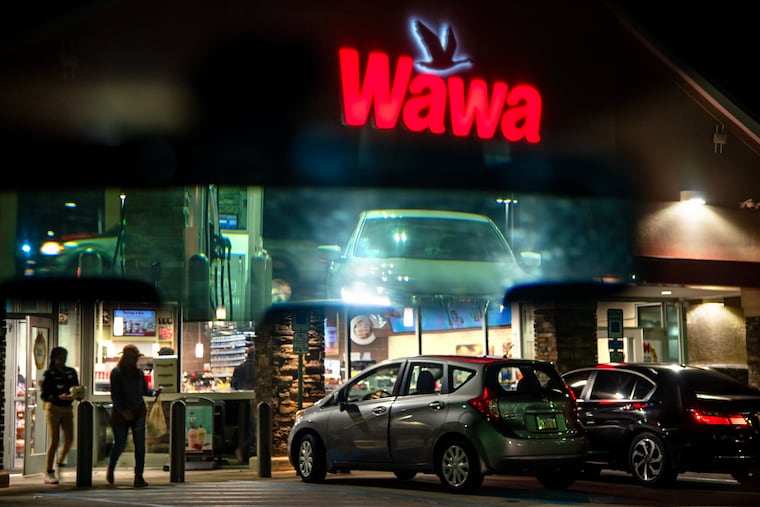
Wawa recalled 16 oz store-brand drinks (Iced Tea Lemon – dated May 15; Iced Tea Diet Lemon and Diet Lemonade – dated May 18; Fruit Punch – dated May 19) at selected stores across PA, NJ, DE, MD and VA due to a possible undeclared milk allergen. No illnesses have been reported; Wawa said it removed and discarded in-store inventory, corrected an equipment issue, and is offering refunds via 24-hour customer care (Wawa gift card), implying a limited operational and financial impact focused on affected locations.
This is a localized food-safety event with outsized knock-on effects for quality-control vendors, regional competitors and insurers rather than for national beverage brands. Expect near-term incremental demand for third‑party testing, inline inspection and traceability services as affected retailers patch equipment and document corrective actions; those orders typically convert to P&L within 1–3 quarters. Regional competitors with centralized bottling or third‑party supply agreements can capture foot-traffic and share gains in the weeks after the recall; historically those bumps are concentrated in the first 2–8 weeks and fade unless the brand damage persists.
Regulatory and cost impacts are the higher-consequence channel: a cluster recall raises the probability of focused state-level inspections and clarifying guidance on allergen cross-contact controls, which can force one-time capex (conveyor rework, CIP systems) and recurring audit costs for mid-sized chains over 6–18 months. Insurers price-product-liability risk in multi-year cycles; a meaningful uptick in recalls in a region can push premium rates or deductibles higher on renewals 3–12 months out. The main downside path that would magnify impact is a larger pattern of recalls (same supplier/equipment across regions) — that would move this from a local PR hit to a broader food-supply chain scrutiny event.
From a positioning standpoint, the market is likely to underprice services vendors and overprice the permanence of any traffic loss to the implicated retailer. A short-term play into vendors of food-safety testing and inline inspection (who can deliver measurable ROI and ship hardware/software quickly) offers asymmetric upside within 3–12 months, while consumer staples heavyweights and large bottlers are unlikely to see measurable volume reallocation. Watch two catalysts: (1) public release of regulator findings (2–8 weeks) and (2) commercial tender activity for remediation services (4–12 weeks) — both materially move vendor revenues and regional retail share dynamics.
AI-powered research, real-time alerts, and portfolio analytics for institutional investors.
Request DemoOverall Sentiment
mildly negative
Sentiment Score
-0.25
