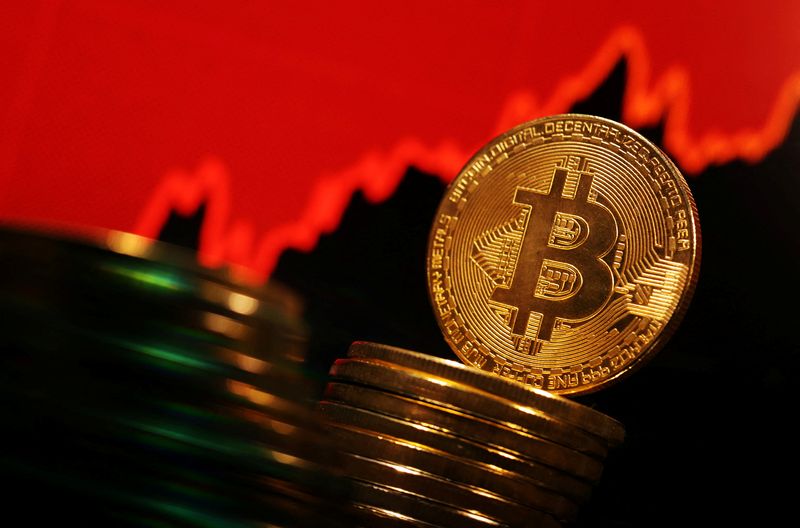
U.S. President Trump set an 8 p.m. ET deadline and warned Iran could be "taken out" after Tehran rejected a U.S.-backed ceasefire, elevating the risk of military escalation and disruption in the Strait of Hormuz. Markets reacted risk-off: Bitcoin slipped 0.8% to $68,525, Ethereum fell 1.5% to $2,103.92 and XRP dropped 2.4% to $1.31, while oil surged above $110/barrel. The energy-driven jump in inflation expectations ahead of the March CPI due Friday is supporting safe-haven flows into the U.S. dollar and could reinforce expectations for higher-for-longer interest rates, creating an added headwind for crypto and other risk assets.
Energy-driven risk shocks are behaving like a duration shock for risk assets: a sustained oil premium that keeps inflation and real rates higher will mechanically compress multiples on long-duration assets (crypto and high-growth tech) over the next 1–6 months. That dynamic is amplified by USD-funded cross-border flows—EM outflows and stronger dollar liquidity will favor FX and nominal safe-havens over speculative USD-risk assets, creating a headwind for capital-intensive, margin-sensitive businesses.
On market microstructure, event-driven deleveraging is likely to amplify down moves in crypto and small-cap tech: forced margin selling in perpetual futures and concentrated miner revenue pressure (higher energy input costs) are second-order sellers that can persist beyond headline resolution. Conversely, hardware vendors with multi-year enterprise contracts see demand stickier; their P&L sensitivity to a 5–10% near-term cut in ad or consumer spend is meaningfully lower than adtech and direct-to-consumer software.
Timing matters: expect elevated realized and implied volatility in the next 72 hours and through the coming CPI print—these are the windows where option spreads widen and asymmetric, low-cost hedges can be bought. A clear, immediate de-escalation would likely snap correlations back toward risk-on quickly; absent that, expect a multi-week consolidation with episodic 10–25% moves in crypto and 15–30% repricing in small-cap growth names.
The consensus is treating crypto as a pure safe-haven hedge; that’s myopic. Crypto’s funding- and miner-driven supply mechanics make it a forced-liquidation amplifier in geopolitical selloffs, not a reliable inflation hedge on short horizons. Positioning should therefore focus on relative exposure to secular hardware demand vs ad-revenue cyclicality, and use event-priced options to manage asymmetric tail risk.
AI-powered research, real-time alerts, and portfolio analytics for institutional investors.
Request DemoOverall Sentiment
moderately negative
Sentiment Score
-0.55
Ticker Sentiment
