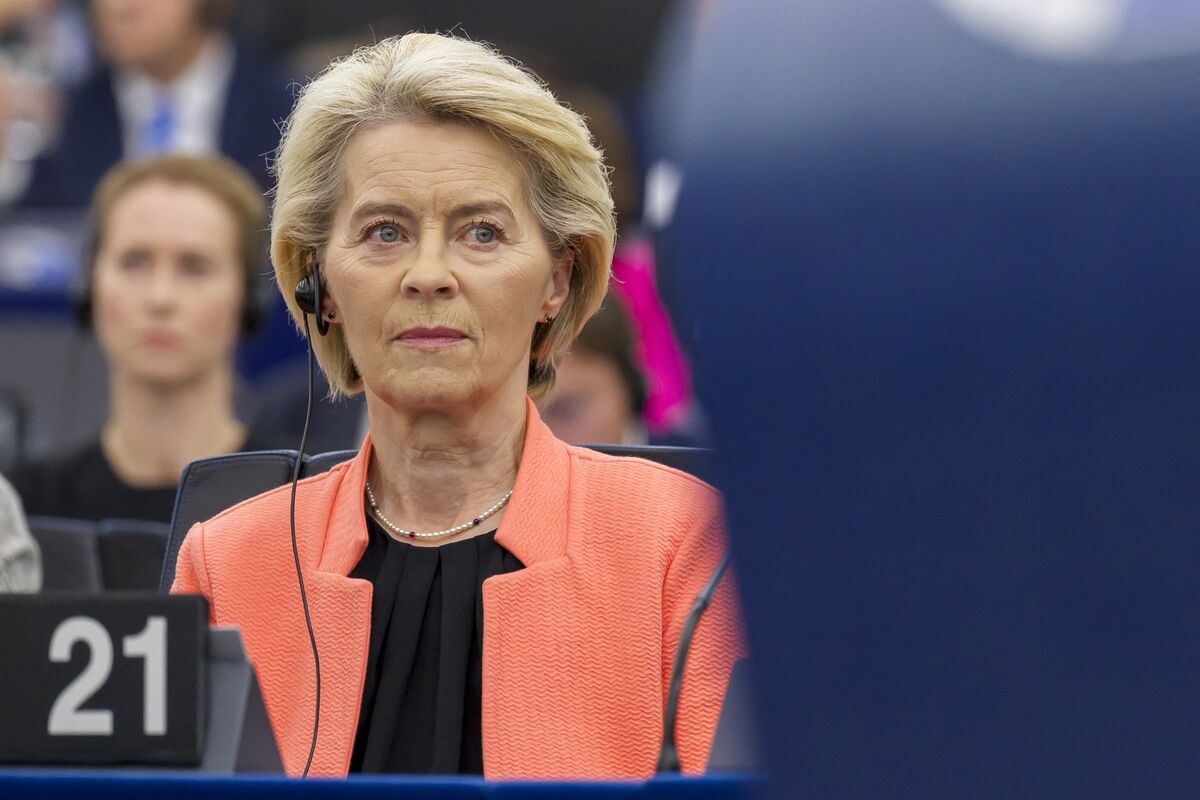
European Commission President Ursula von der Leyen has publicly accused China of distorting trade by limiting market access for EU firms and exporting overcapacity, demanding a 'genuine rebalancing' and reciprocal access. This pre-summit declaration signals escalating trade tensions between the EU and China, highlighting a critical point of contention for upcoming bilateral discussions.
European Commission President Ursula von der Leyen has formally adopted a hawkish stance on EU-China trade relations, publicly accusing Beijing of market distortion, exporting industrial overcapacity, and denying reciprocal market access to European firms. This declaration, delivered just two weeks prior to a key EU-China summit, signals a significant hardening of the European Union's position and sets a confrontational tone for the upcoming negotiations. The demand for a 'genuine rebalancing' implies that incremental changes will no longer be sufficient, elevating the risk of future trade disputes. The moderately negative sentiment and hawkish tone associated with this news underscore the escalating geopolitical friction, which could directly impact sectors with high exposure to the bilateral trade corridor. This development firmly places trade policy and supply chain integrity at the center of investor concerns regarding the EU economic outlook.
AI-powered research, real-time alerts, and portfolio analytics for institutional investors.
Request DemoOverall Sentiment
moderately negative
Sentiment Score
-0.50
