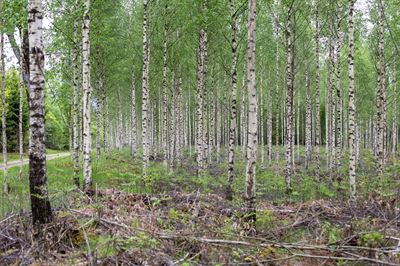
Södra has completed the sale of its forest holdings in Latvia and Estonia to Ingka Investments for €720 million after local competition reviews and approvals, with the disposal announced in early 2025 and finalised following an October 2025 agreement. The transaction is intended to strengthen Södra’s balance sheet and long-term competitiveness by refocusing on members’ forests in southern Sweden; the financial impact will be reflected in Södra’s reported results in Q1 2026. Post-sale Baltic operations are limited to two timber-import companies, and the company reported SEK 29 billion in sales in 2024.
MARKET STRUCTURE: The €720m sale transfers a material block of Baltic standing timber from an industry owner (Södra) to a strategic corporate investor (Ingka), increasing buyer concentration in regional supply. Near-term winners are integrated buyers (Ingka/IKEA) and balance-sheet-conscious forest owners; losers are merchant log traders and any pulp/paper mills reliant on spot Baltic supply, which could face a 5–15% reduction in available merchant logs in the next 12–24 months if Ingka prioritises long-term stewardship or internal use.
RISK ASSESSMENT: Tail risks include regulatory reversal or divestment (~5–10% chance), pest/fire losses to the asset (single-event >€100m loss), or Ingka converting land to non-harvest carbon projects reducing harvest volumes by >20% over 5 years. Immediate market impact is muted (days); meaningful effects on procurement and prices surface over 3–12 months as supply contracts are renegotiated and show up in Q1 2026 results and Baltic export statistics.
TRADE IMPLICATIONS: Tilt toward listed forest-product names with pricing power: consider 2–3% long allocations in pulp/packaging leaders (UPM.HE, BILL.ST, HOLM-B.ST) on 6–18 month timeframes to capture potential price/rationing discipline. Use 6–12 month call spreads (buy 25-delta, sell 10-delta) on UPM.HE and BILL.ST to limit cost while keeping upside if stumpage tightens; size each to 1–1.5% portfolio. Pair trade: long UPM.HE, short short-duration European building materials ETF (or construction names) if sawlog-driven cost pass-through hits margins.
CONTRARIAN ANGLES: Consensus may underweight the probability Ingka converts land into carbon projects or supply-for-self, which would tighten commercial supply for 5–15 years and inflate pulp/board spreads materially; market underpricing of that scenario creates a 12–36 month asymmetric opportunity. Conversely, if Ingka leases volumes back to industry to monetise faster, the supply shock is reversed — set hard stops and monitor Baltic log export volumes and Ingka’s public forestry CAPEX guidance over next 6 months as primary catalysts.
AI-powered research, real-time alerts, and portfolio analytics for institutional investors.
Request DemoOverall Sentiment
moderately positive
Sentiment Score
0.45
