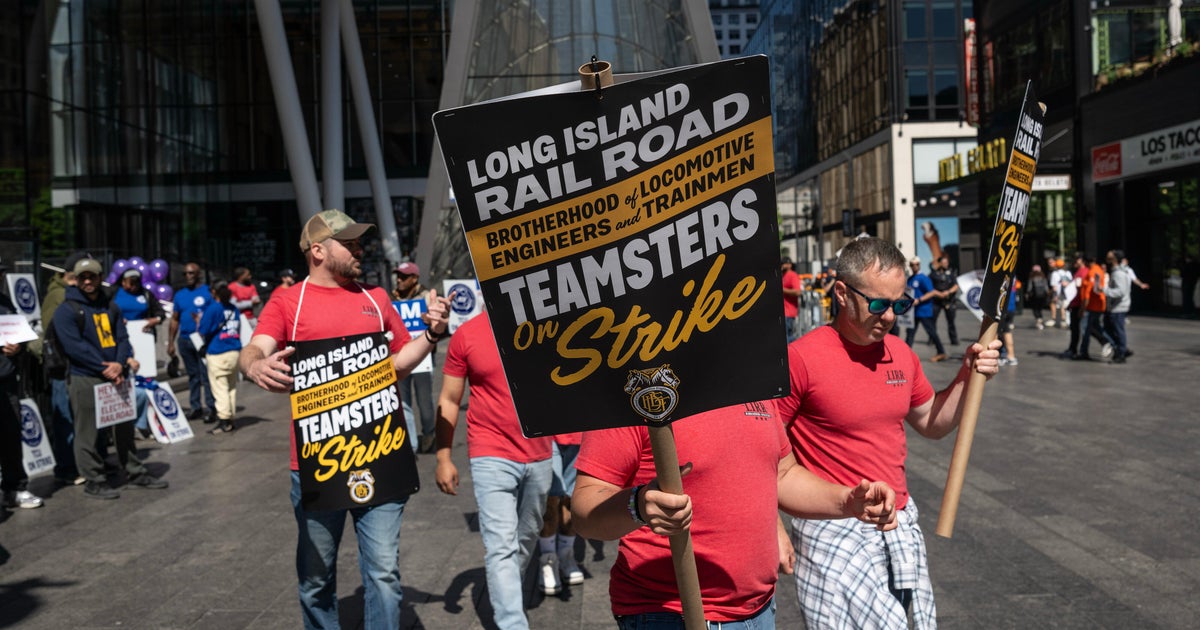
The LIRR remained shut down for a third day, disrupting more than 250,000 normal daily riders and forcing commuters onto 275 shuttle buses that can handle only about 13,000 passengers per day. Talks between the MTA and unions resumed after no deal was reached Sunday night, with the railroad still requiring at least a day to inspect tracks and restore service even if an agreement is reached. The outage is pressuring subway capacity and Long Island road traffic, with spillover expected on major routes including the Belt Parkway and Gowanus.
The immediate market impact is less about the transit operator’s own economics and more about urban friction spilling into adjacent systems. A multi-day commuter shock shifts marginal demand from rail to buses, subways, rideshare, and private autos, which creates short-lived congestion benefits for toll-road and parking operators but a broader productivity drag for NYC-linked employers, especially those with dense in-office footprints. The second-order loser is any business that relies on predictable early-morning labor arrival: healthcare, retail, logistics, and field services across Long Island and outer-borough corridors will see lateness, overtime, and coverage costs rise within days.
The key catalyst is not settlement alone but service normalization lag. Even if there is a rapid agreement, the one-day-plus inspection and crew re-ramp means economic disruption persists after the headline turns positive, which extends the pain window for commuters but also delays the snapback in ridership-dependent revenue streams. The longer the strike lasts, the more behavioral substitution becomes sticky: some commuters will trial remote work, carpooling, or alternate transit and may not fully revert, making this a small but measurable medium-term demand leak for the operator.
Consensus is likely overestimating how quickly the system repairs itself and underestimating how much political pressure builds if the disruption bleeds into a second workweek. That said, the setup is asymmetric: a fast resolution would compress the trade to a near-term volatility event, while a prolonged strike raises the odds of regulatory intervention and concessions that reduce future labor flexibility. In our view the best expression is not a directional bet on the MTA equity proxy itself, but on congestion beneficiaries versus labor-sensitive regional names over a 1-3 week horizon.
AI-powered research, real-time alerts, and portfolio analytics for institutional investors.
Request DemoOverall Sentiment
moderately negative
Sentiment Score
-0.45
Ticker Sentiment
