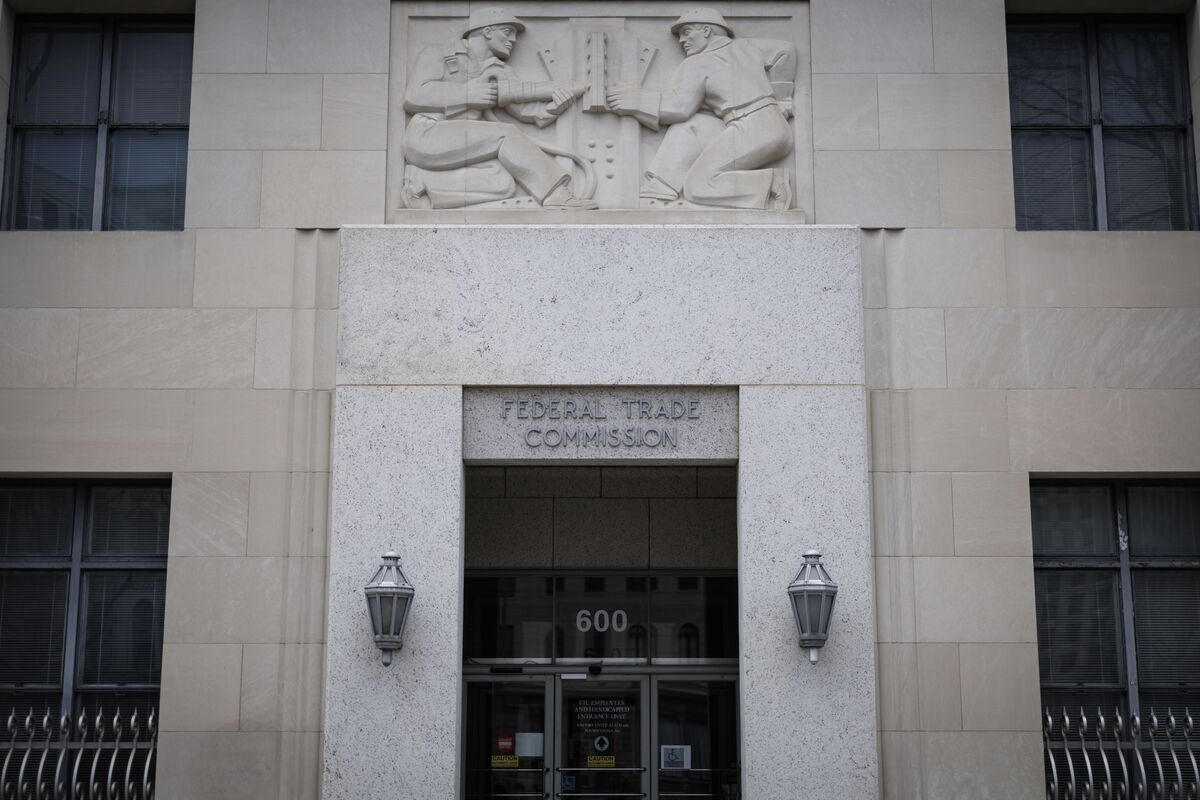
President Donald Trump has petitioned the Supreme Court to permit the firing of an FTC Commissioner, a move challenging a 1935 precedent that insulates certain high-ranking officials from presidential removal. This case could significantly expand the White House's authority over federal regulatory bodies, particularly as the Court's conservative majority has previously indicated a willingness to narrow such protections.
The Trump administration's appeal to the U.S. Supreme Court to establish presidential authority to fire a Federal Trade Commission (FTC) commissioner represents a significant challenge to the established independence of federal regulatory agencies. This legal maneuver directly targets a 90-year-old precedent from a 1935 Supreme Court ruling that insulates high-ranking officials from politically motivated removal. A successful appeal would mark a substantial expansion of executive power, potentially altering the enforcement landscape for antitrust, consumer protection, and M&A reviews. The context is critical, as the Court's conservative majority has previously signaled a willingness to limit the scope of such agency independence, increasing the probability of a ruling that favors the White House. Such an outcome would inject a higher degree of political uncertainty into the regulatory process, not just for the FTC but potentially for other independent commissions, making regulatory actions more susceptible to the prevailing political agenda of the executive branch.
AI-powered research, real-time alerts, and portfolio analytics for institutional investors.
Request DemoOverall Sentiment
mildly negative
Sentiment Score
-0.30
