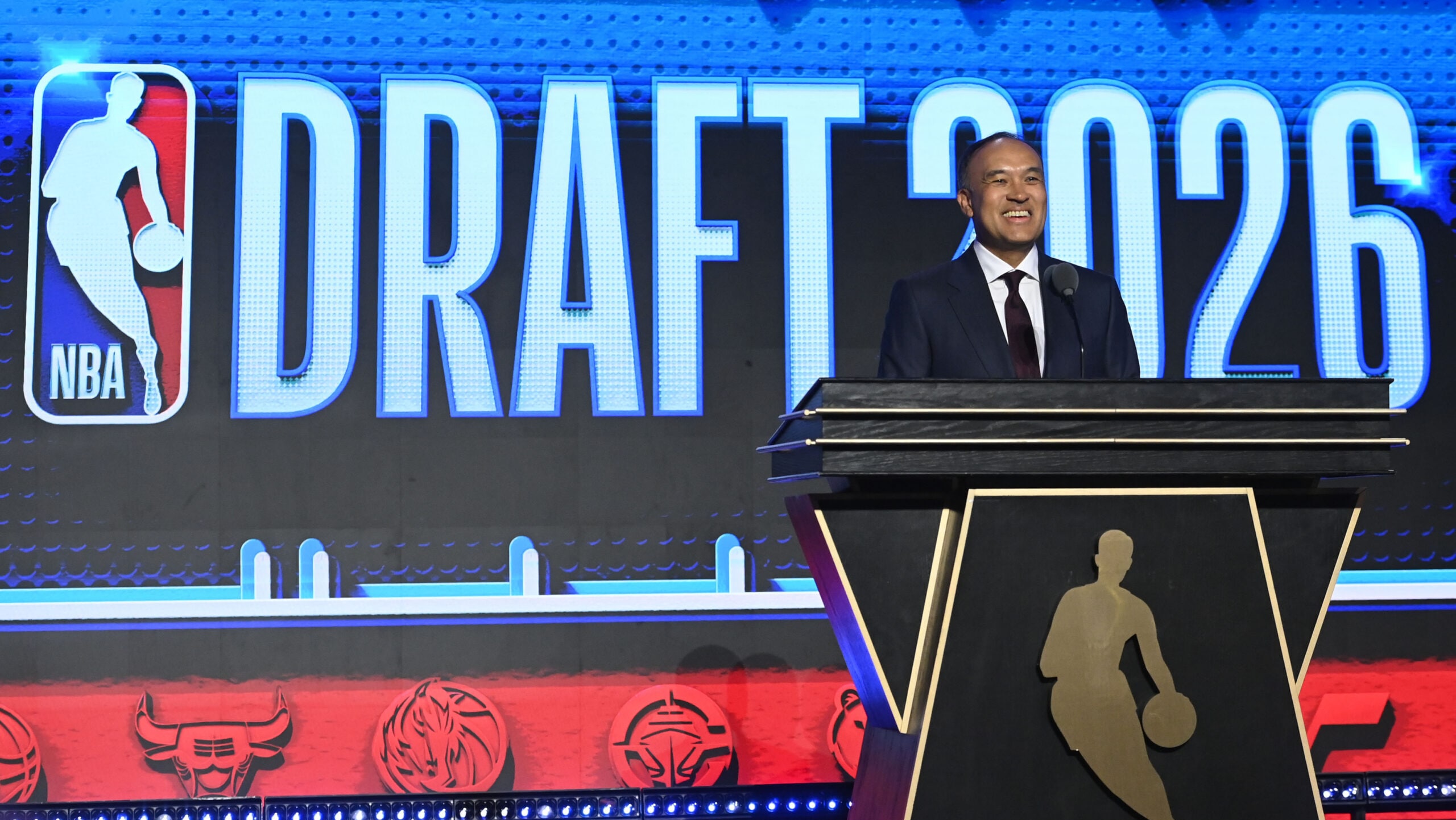
The article focuses on NBA roster-building strategy under the 2023 CBA and draft-lottery reform, emphasizing that second-round picks and deeper scouting are becoming more important. It highlights multiple value selections in the 2026 NBA Draft, including players taken at Nos. 32-56 who may outperform draft position. The piece also outlines offseason dates and summer league schedules, but it contains no direct market-moving financial event.
The key second-order implication is that roster construction is shifting from star acquisition to bench-efficiency arbitrage. If late picks are increasingly value-bearing, the teams that consistently out-scout the market can preserve cap flexibility by replacing minimum-contract veterans with cheap, controllable contributors; that advantage compounds most for tax-sensitive contenders and for teams near the second apron. This creates a structural premium on organizations with strong player-development pipelines and a structural discount on teams that still treat the back half of the roster as replacement-level. The fastest beneficiaries are the franchises with multiple picks and/or a history of converting marginal talent into rotation minutes. That widens the gap between well-run contenders and everyone else because the edge is not just talent discovery, but also accelerating development in the first 12-24 months before cost control fades. The risk is that this market becomes self-correcting: once front offices fully optimize for “hidden” contributors, the hit rate on second-round steals compresses and the value gets bid up through trades for picks, reducing the excess return available from the strategy. From a broader league perspective, the draft reform is mildly anti-tanking but not anti-rebuild; it rewards competence over intentional losing. The more important catalyst is the next two offseasons, when teams decide whether to monetize these picks as cheaper depth or flip them for veterans once they realize a single playable second-rounder can save several million in free-agent spending. That favors organizations with patience and developmental infrastructure, while exposing clubs that rely on one-off drafting luck rather than repeatable process.
AI-powered research, real-time alerts, and portfolio analytics for institutional investors.
Request DemoOverall Sentiment
neutral
Sentiment Score
0.05
