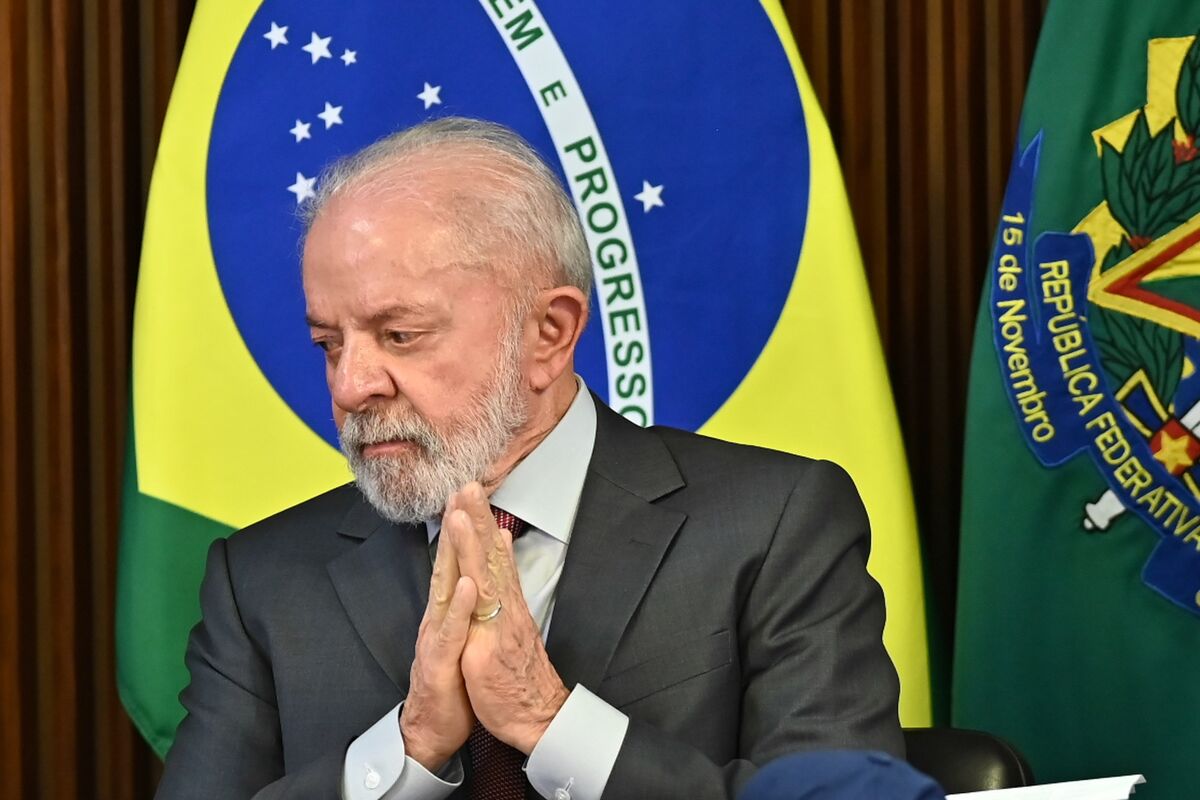
The conviction of former Brazilian President Jair Bolsonaro for attempting a coup has immediately escalated geopolitical tensions, drawing threats of "retaliation" from US Secretary of State Marco Rubio and potentially electrifying Brazil's 2026 presidential race. While the US response signals potential diplomatic and economic friction, current President Lula reportedly views the US stance as politically beneficial. Investors should monitor these developments for their implications on US-Brazil relations and Brazil's political stability and market outlook.
The conviction of former Brazilian President Jair Bolsonaro for an attempted coup has introduced a significant geopolitical risk factor into the Brazilian market. An immediate threat of retaliation from the United States, articulated by Secretary of State Marco Rubio who termed the trial a "witch hunt," signals a potential deterioration in US-Brazil relations. This development is expected to "electrify" Brazil's 2026 presidential race, potentially increasing domestic political instability. Notably, current President Lula is reportedly unfazed by the US threats, viewing them as politically advantageous. The situation creates a complex dynamic where external diplomatic pressure could exacerbate internal political polarization, introducing a layer of uncertainty for Brazilian assets beyond typical economic indicators.
AI-powered research, real-time alerts, and portfolio analytics for institutional investors.
Request DemoOverall Sentiment
mildly negative
Sentiment Score
-0.20
