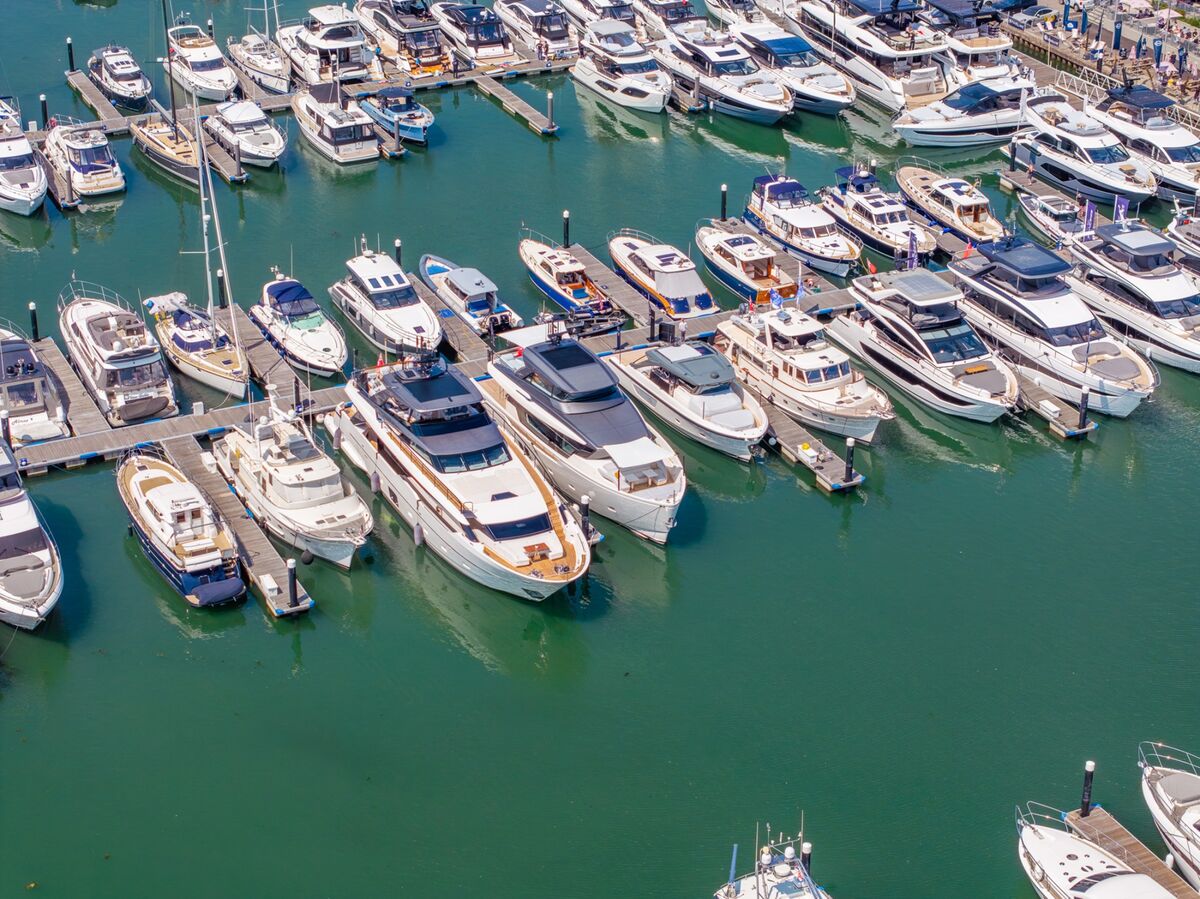
Despite economic headwinds and higher taxes impacting most Britons, the luxury yacht market remains robust, with British yacht maker Princess reporting strong sales of high-end models costing upwards of £4.3 million. According to Princess's sales director, Joe Hill, the demand persists because the target clientele's disposable income allows them to remain unaffected by broader economic fluctuations.
The UK luxury yacht market, particularly for high-end models, demonstrates notable resilience despite broader economic headwinds impacting general consumer spending. While higher taxes, weak economic growth, and US tariffs are creating uncertainty and constraining spending for most Britons, sales director Joe Hill of British yacht maker Princess reports strong continued demand for large yachts, exemplified by models costing £4.3 million before VAT. This divergence is attributed to the substantial disposable income of ultra-high-net-worth individuals, which insulates them from typical economic cycles, allowing them to 'ride over the peaks and troughs of the economy.' The sustained purchasing power in this top-tier demographic contrasts sharply with the retrenchment observed among less wealthy consumers, highlighting a bifurcated consumer market where luxury goods retain appeal and sales velocity among the exceptionally affluent.
AI-powered research, real-time alerts, and portfolio analytics for institutional investors.
Request DemoOverall Sentiment
neutral
Sentiment Score
0.10
