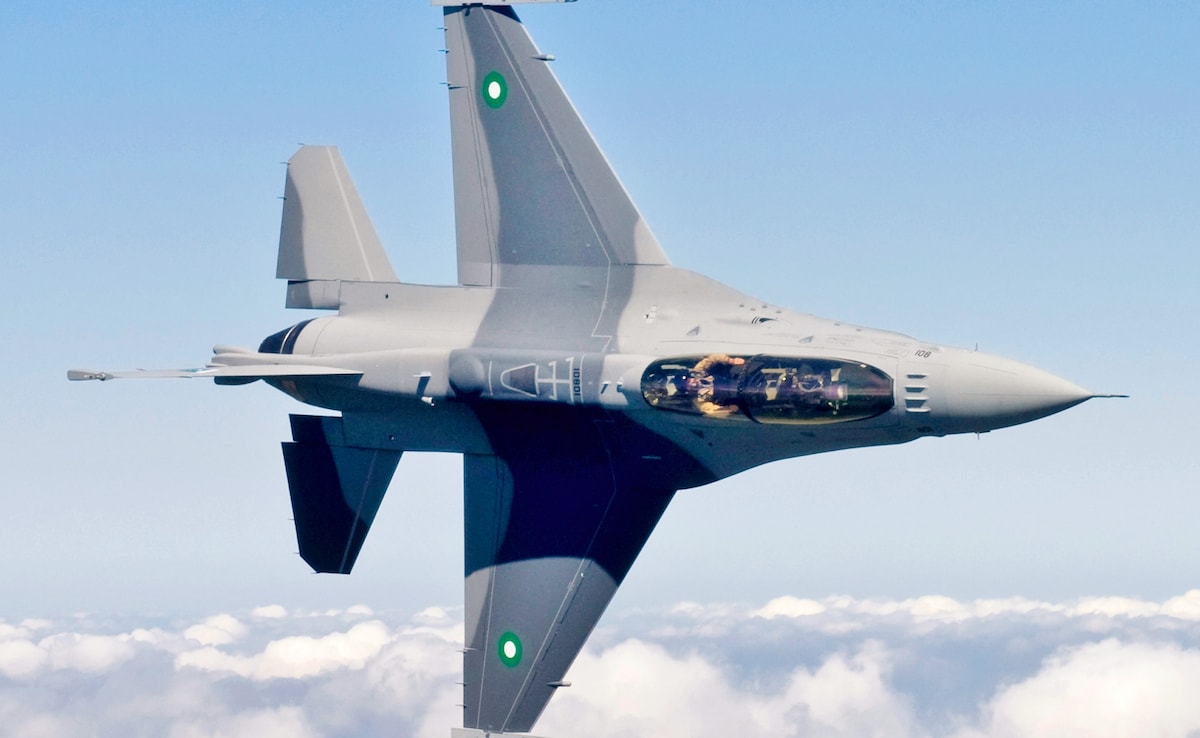
The article argues that any repeat of Operation Sindoor would be more difficult, citing a 66% rise in Pakistan arms imports, 80% of weapons now sourced from China, and faster delivery of J-35 fighters and additional Chinese space assets. It warns that drones, missiles, and broader regional intelligence diffusion are increasing the operational risk for India, while potential U.S. mediation dynamics under Trump could complicate escalation control. The piece implies higher defense spending and elevated geopolitical risk for South Asia.
The market implication is not the headline risk of another flare-up; it is the regime shift toward persistent low-intensity conflict where drones, satellites, EW, and air defense become the relevant spend categories. That changes procurement cadence from episodic replenishment to a multi-year buildout, favoring platforms with exposure to C-UAS, ISR, secure comms, and missile-defense electronics over legacy manned-aircraft names. The second-order effect is budget crowd-out: every incremental rupee on border sensing and interceptors is a rupee not available for discretionary capex, which matters for domestic cyclicals with India exposure.
The bigger underappreciated risk is that escalation is now more politically mediated than militarily constrained. If outside powers can shape the timing and narrative of a ceasefire, then the first 24-72 hours of a crisis become the most important trading window, not the duration of hostilities. That raises tail risk for short-dated vol in Indian financials, airlines, and consumer names with North India exposure, while keeping defense and cyber names bid on every headline cycle.
Contrary to the market’s usual reflex, the cleanest beneficiary may not be a pure-play defense prime but the supply chain around surveillance, edge AI, and protected communications. The article implies a shift from platform warfare to network warfare, which tends to lift companies with recurring software/maintenance revenue and lower execution risk. The negative setup for Pakistan is more structural than cyclical: more China-linked hardware and space support likely means higher import dependence, but also higher procurement opacity, which increases the probability of sanctions/financing friction over a 6-18 month horizon.
AI-powered research, real-time alerts, and portfolio analytics for institutional investors.
Request DemoOverall Sentiment
moderately negative
Sentiment Score
-0.35
