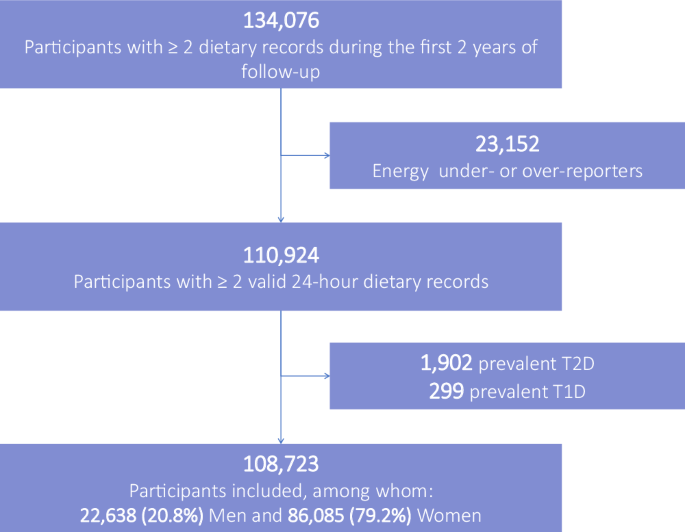
A large prospective French cohort (NutriNet-Santé; n=108,723, 79.2% women, mean age 42.5) with median follow-up 8.05 years identified 1,131 incident type 2 diabetes cases and found higher cumulative intakes of multiple preservative food additives were associated with increased diabetes incidence (e.g., total preservatives HR tertile 3 vs 1 = 1.47, 95% CI 1.26–1.73; potassium sorbate E202 HR = 2.15, 1.76–2.63; sodium nitrite E250 HR = 1.50, 1.26–1.78). Results were robust across sensitivity analyses and mediation analysis suggested preservatives explained ~17% of the ultra-processed food–diabetes association, prompting calls for regulatory re-evaluation and potential changes in consumer guidance and product formulation that could increase regulatory and reputational risk for processed-food producers.
Market structure: Expect asymmetric pressure on legacy processed-food and processed-meat players (higher revenue share from nitrite/sulfite-containing SKUs) and opportunity for fresh/organic brands, private-label preservative-free lines, and testing/reformulation services. Rough estimate: if EU/FR tighten approvals, affected SKUs could lose 5–20% volume within 12–24 months, pressuring gross margins ~100–300 bps on exposed product portfolios. Ingredient suppliers of artificial preservatives face demand contraction, while suppliers of natural alternatives and contract test labs see +10–30% addressable-market growth.
Risk assessment: Tail risks include rapid regulatory action (EFSA/reviews or country bans) within 6–18 months, class-action litigation in the US (2–5 years), or accelerated retailer delisting triggering 15–30% stock shocks in single names. Immediate market reaction (days–weeks) will be sentiment-driven; medium-term (3–12 months) results from reformulation costs and capex; long-term (1–3 years) structural demand shift to fresh/clean-label.
Trade implications: Favor exposure to testing/reformulation winners and fresh/organic/resilient retailers; avoid or hedge high-exposure processors. Use option structures to cap risk around binary regulatory events (buy-protective puts around 3–9 months; sell spreads to monetize premium). Pair trades: long testing/reformulation providers vs short processed-meat/legacy packaged-food names to capture relative de-rating.
Contrarian angles: Market may underprice reformulation winners with recurring revenue (testing, certification, natural-preservative makers) and overreact on diversified multinationals with low additive revenue share. Historical parallel: tobacco-related regulation compressed some incumbents but created M&A and reformulation winners — look for 10–25% mispricings over 6–24 months.
AI-powered research, real-time alerts, and portfolio analytics for institutional investors.
Request DemoOverall Sentiment
moderately negative
Sentiment Score
-0.35
