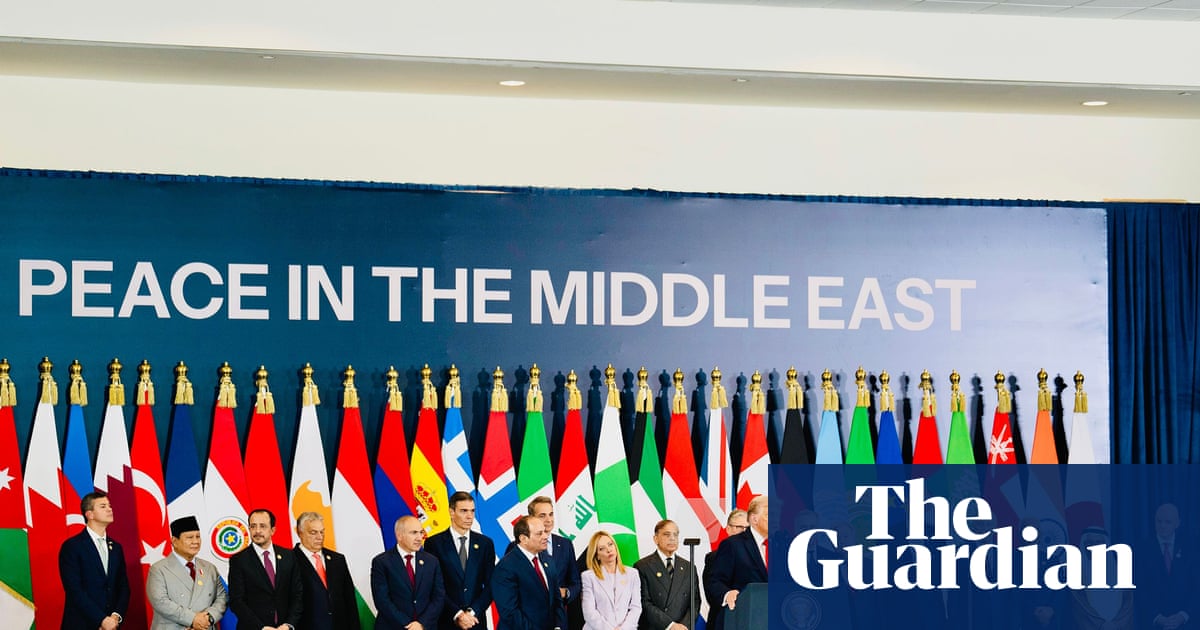
The Gaza ceasefire, driven by a new U.S.-led 20-point plan, is catalyzing significant geopolitical realignments across the Middle East, compelling regional rivals like Qatar, Turkey, Egypt, and Jordan towards collaboration on a Gaza stabilization force. This shift also signals a potential reorientation of Iraq away from Iran's influence and highlights a substantial weakening of Iran's military capabilities, nuclear program, and regional proxy network due to the recent conflict and re-imposed sanctions. These developments are poised to foster greater regional integration, potentially expanding the Abraham Accords to include Saudi Arabia and Indonesia, and opening new economic corridors, thereby reshaping the investment landscape and risk profiles in the region.
The recent Gaza ceasefire, driven by the US-led 20-point plan, is catalyzing significant geopolitical realignment across the Middle East, compelling historical rivals towards unprecedented collaboration. This plan, which required US pressure on Israel and Qatar/Turkey's influence on Hamas, is fostering a new era of regional cooperation, with Egypt and Jordan potentially contributing to an international stabilization force in Gaza. This marks a substantial shift from previous years of regional competition.
A notable shift is Iraq's potential reorientation away from Iran's sphere of influence towards the Arab orbit, evidenced by Prime Minister al-Sudani's engagement with Trump and consideration of troop contributions to Gaza. Concurrently, Iran faces a bleak stocktaking following 24 months of conflict, marked by military shortcomings, a damaged nuclear program, re-imposed sanctions, and the significant weakening of its regional proxy network, including Hezbollah and Hamas.
These developments suggest a pathway towards greater regional integration and economic normalization. The ceasefire reopens discussions for expanding the Abraham Accords to include Saudi Arabia and potentially Indonesia, alongside the prospect of major land connections from the Gulf to the Mediterranean. This optimistic outlook, reflected in a moderately positive sentiment score of 0.65 and an optimistic tone, indicates a potential reshaping of the region's investment landscape.
The market impact score of 0.75 suggests that these geopolitical shifts are expected to have a notable influence on regional markets and investment flows. The focus on infrastructure and defense themes further underscores the tangible economic implications of this evolving geopolitical environment.
AI-powered research, real-time alerts, and portfolio analytics for institutional investors.
Request DemoOverall Sentiment
moderately positive
Sentiment Score
0.65
