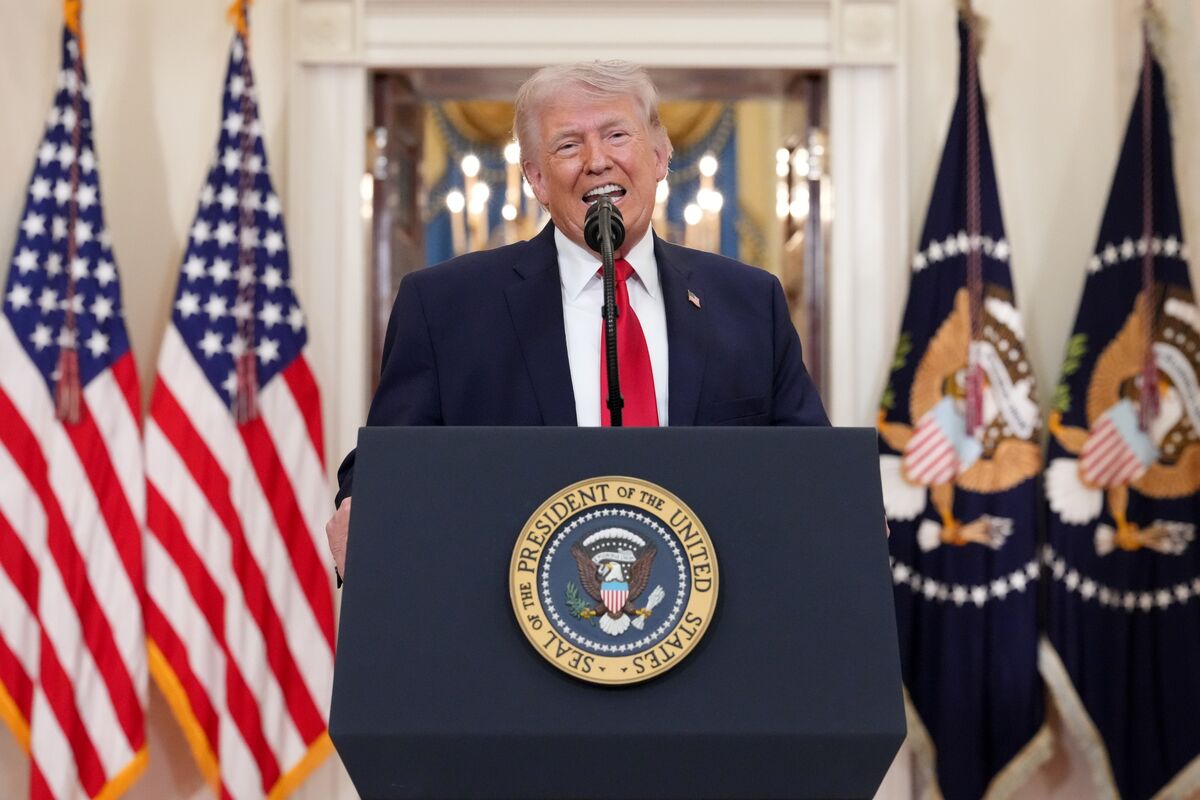
President Trump escalated threats to destroy Iran's power plants and 'bring Hell' after US forces rescued a downed airman; Iran rejected an ultimatum to reopen the Strait of Hormuz, demanding compensation for war damage. Tehran continued strikes on regional energy infrastructure, including Kuwait's oil headquarters, raising acute risk to Gulf oil flows and likely prompting risk-off moves in energy and broader markets.
The immediate market dynamic is a supply-chain shock to maritime energy flows and insurance-covered transit, not just a headline-driven oil spike. Rerouting VLCCs around southern Africa adds mid-teens extra sailing days and materially lifts freight cost basis — a plausible near-term pressure of ~$1–3/bbl into spot spreads if Gulf passages remain contested for 1–3 weeks. Simultaneously, a sharp jump in war-risk premiums for Gulf transits (historically +200–400% in acute phases) will create a two-tier market: crude that can move via secure onshore infrastructure vs barrels priced for risky sea lanes.
Secondary effects favor asset owners of physical storage, insurers/reinsurers, and certain shipping segments while compressing downstream refiners exposed to Gulf crude grades. US shale and non-Gulf suppliers provide a multi-week to multi-month buffer, but their response lags and scale is limited — expect volatility to persist for 2–12 weeks before supply elasticities and SPR or commercial releases reprice risk. Political/diplomatic de-escalation or coordinated SPR release are the fastest mean-reversion catalysts; prolonged kinetic or cyber campaigns against energy infrastructure push this from weeks into a multi-quarter structural premium.
Consensus positioning likely underestimates the duration and pass-through of freight and insurance to refined-product markets and freight-sensitive trades (petrochem feedstocks, LPG/LNG). A calibrated set of exposures that buys short-dated convexity in oil, selectively captures shipping upside, and hedges downstream inflation risk is higher expected value than blunt long-crude exposure. Protectively sized defense and security-exposure options provide asymmetric payoff if the episode escalates into sustained regional conflict or a sanctions spiral that impairs export logistics for months.
AI-powered research, real-time alerts, and portfolio analytics for institutional investors.
Request DemoOverall Sentiment
strongly negative
Sentiment Score
-0.65
