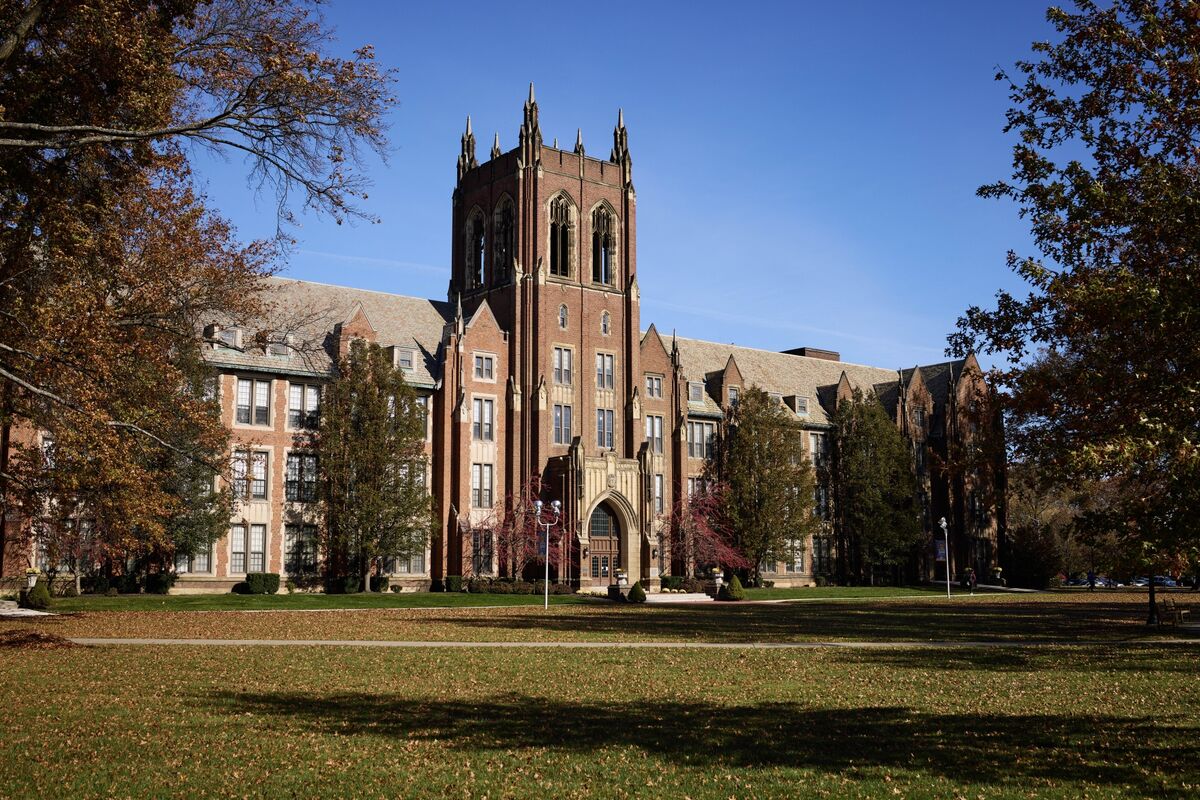
Bank of America is likely to recover only part of the $18 million it is owed from bonds tied to shuttered Notre Dame College in Ohio, even after the campus sale. The century-old college closed in 2024 amid declining enrollment and a significant debt load, leaving creditors facing a loss despite the anticipated liquidation proceeds.
This is less a one-off nuisance and more a reminder that bank exposure to higher-education real estate and legacy special situations can become capital-inefficient for years after a borrower has failed. For BAC, the issue is not the absolute dollar size relative to capital, but the optics and the opportunity cost: workout recoveries on illiquid collateral tend to lag, and the markdown risk can persist until a sale is closed and liens are fully adjudicated. That creates a slow-burn drag on earnings quality, even if the eventual loss is manageable. The second-order effect is that this could tighten financing terms for other small institutions and distressed nonprofits, especially those relying on campus real estate as implied collateral value. Once lenders see that liquidation proceeds may still miss the claim, they will demand faster amortization, more cash sweeps, or higher spreads, which increases default probability for the weakest credits. In the broader bank universe, regional lenders with concentrated CRE and education-related exposures look more vulnerable than money-center banks, because they have less diversification to absorb idiosyncratic workout slippage. The catalyst window is months, not days: the market usually ignores these situations until a formal recovery estimate or loss reserve adjustment lands in results. A reversal would require either a materially stronger asset sale than expected or an unexpectedly high recovery from ancillary assets, but both are limited by the specialized nature of campus property. The more likely path is a series of small negative surprises that keep pressure on reserve discipline and risk premium for niche lending books. Contrarian view: the headline loss may be overread as a BAC-specific credit problem when it is really a collateral-liquidity problem. If the company is reserving conservatively, the eventual P&L hit could be muted, and the stock reaction may be a better entry opportunity for investors focused on BAC's diversified earnings base rather than isolated workouts. The real mispricing risk is not in BAC itself, but in assuming distressed education loans are self-liquidating at book value across the sector.
AI-powered research, real-time alerts, and portfolio analytics for institutional investors.
Request DemoOverall Sentiment
moderately negative
Sentiment Score
-0.30
Ticker Sentiment
