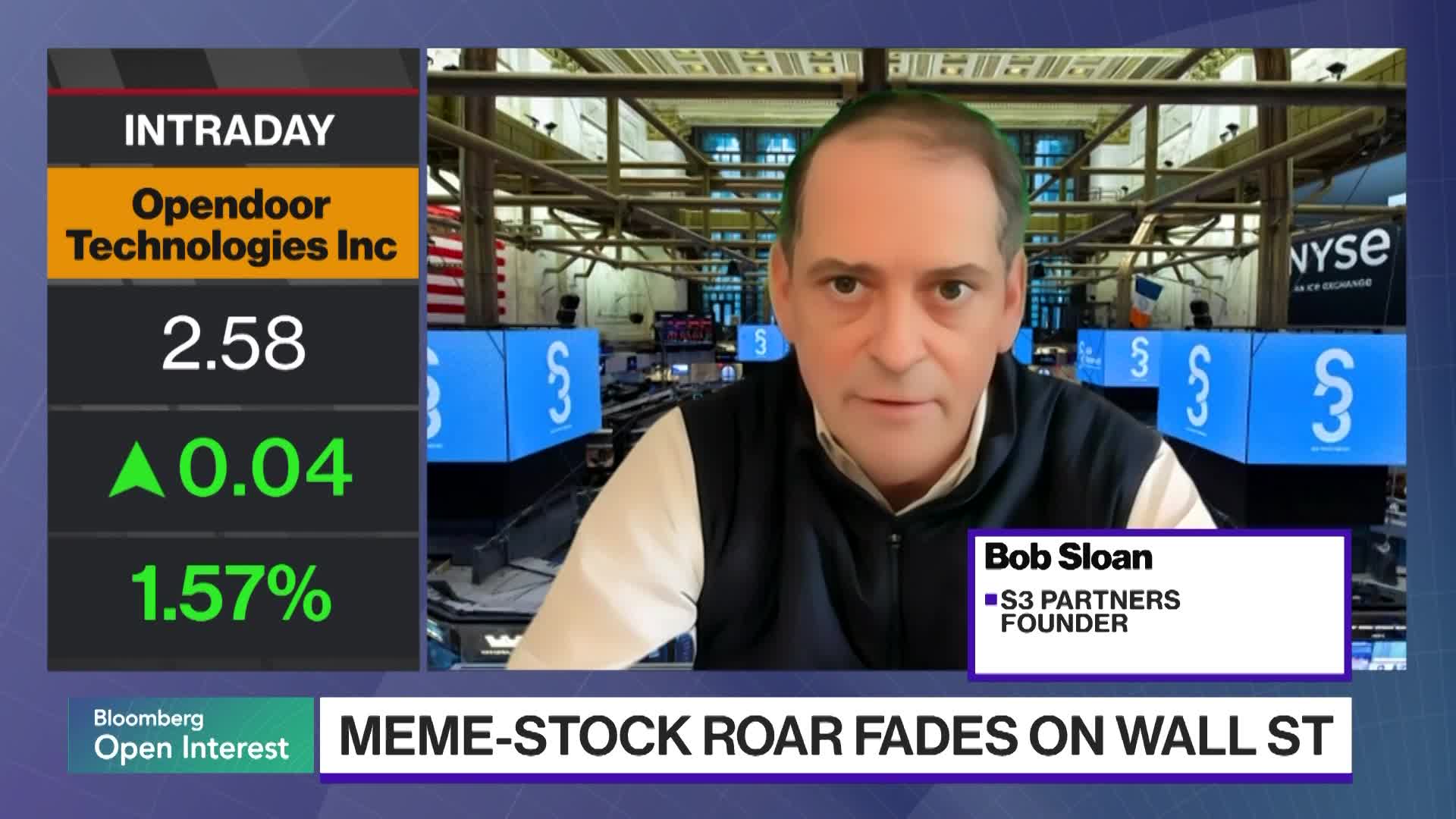
The 'meme stock' phenomenon, once characterized by significant retail-driven speculative surges, is reportedly losing considerable momentum on Wall Street. This decline signals a potential cooling of the highly volatile, sentiment-driven market segment, suggesting a broader shift in retail investor behavior away from speculative plays and a potential return to more fundamental-driven market dynamics.
The speculative momentum that defined the 'meme stock' phenomenon is reportedly experiencing a significant decline, signaling a cooling of this highly volatile, sentiment-driven market segment. This trend, rated with a moderately negative sentiment and a bearish tone, suggests a noteworthy shift in retail investor behavior away from speculative trading and potentially towards more fundamentals-based evaluation. The implications for market flows and technicals are considerable, as the receding tide of retail-driven capital could lead to a normalization of volatility and trading patterns in previously targeted, often heavily shorted, securities. While the broader market impact is assessed as moderate, this change in investor positioning alters the risk dynamics for strategies that were either capitalizing on or hedging against extreme retail sentiment.
AI-powered research, real-time alerts, and portfolio analytics for institutional investors.
Request DemoOverall Sentiment
moderately negative
Sentiment Score
-0.40
