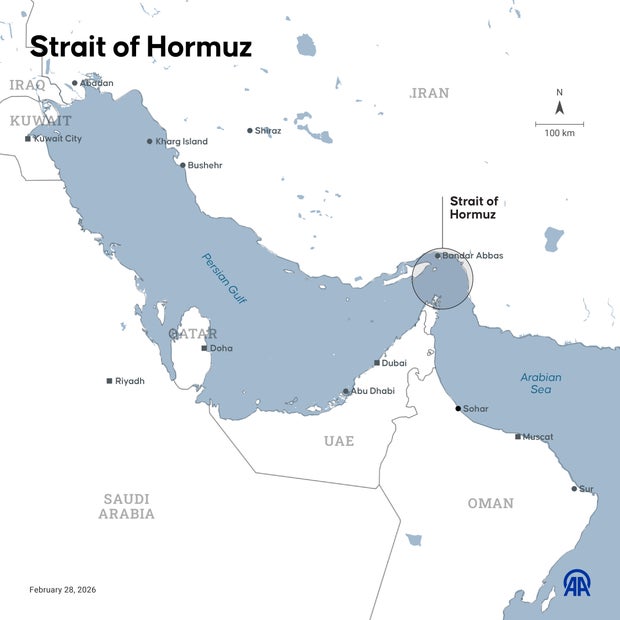
The Strait of Hormuz is effectively closed to vessels without Tehran's permission, tightening oil flows and keeping global fuel prices elevated. Ukraine-style asymmetric tactics (cheap drones, explosive unmanned systems) are limiting the utility of large navies and may render traditional escorts ineffective; Russia's grain exports fell by more than 50% at one point under similar conditions. The U.S. and Israel report striking over 20,000 Iranian targets, yet Iran appears to be gaining economically by disrupting shipping and raising costs for consumer goods worldwide.
Maritime denial risk is creating a sustained logistics premium rather than a one-off supply shock; longer routing, higher idle time and elevated war-risk insurance together raise per-barrel delivered costs by a measurable margin. Expect spot tanker utilization to rise by mid-double-digits and time-charter-equivalent (TCE) rates to remain structurally above the 5-year seasonal band for at least 1-3 quarters unless a diplomatic or technical mitigation emerges. This is a cashflow lever that benefits asset-light owners and owners with modern VLCC/Suezmax fleets more than integrated producers.
A second-order effect is the reallocation of physical crude flows to alternative corridors and storage — inland pipeline takeaways, rail, and floating storage economics will reprice; contango structures around Brent/WTI and regional crack spreads may widen, creating a calendar-arbitrage window. Meanwhile, demand for electronic warfare, unmanned-surface/aircraft retrofits and naval C5ISR upgrades accelerates capital cycles in defense supply chains on a 12–36 month horizon, skewing capex and M&A priorities. Financial intermediaries (marine insurers, P&I clubs and reinsurers) will also show earlier earnings sensitivity through premium-rate resets before underlying volume recovery.
Tail risks are binary and fast: a negotiated reopening or deployment of layered non-kinetic convoy protection can erase the premium inside 2–6 weeks, while kinetic escalation or attacks on export infrastructure could push Brent-equivalent prices north by $10–30 within days. Monitor three near-term catalysts — coalition rules of engagement and counter-unmanned deployments, tranche(s) of insurance re-rating, and observable shifts in VLCC ballast patterns — as triggers that either compress or widen the premium.
AI-powered research, real-time alerts, and portfolio analytics for institutional investors.
Request DemoOverall Sentiment
moderately negative
Sentiment Score
-0.45
