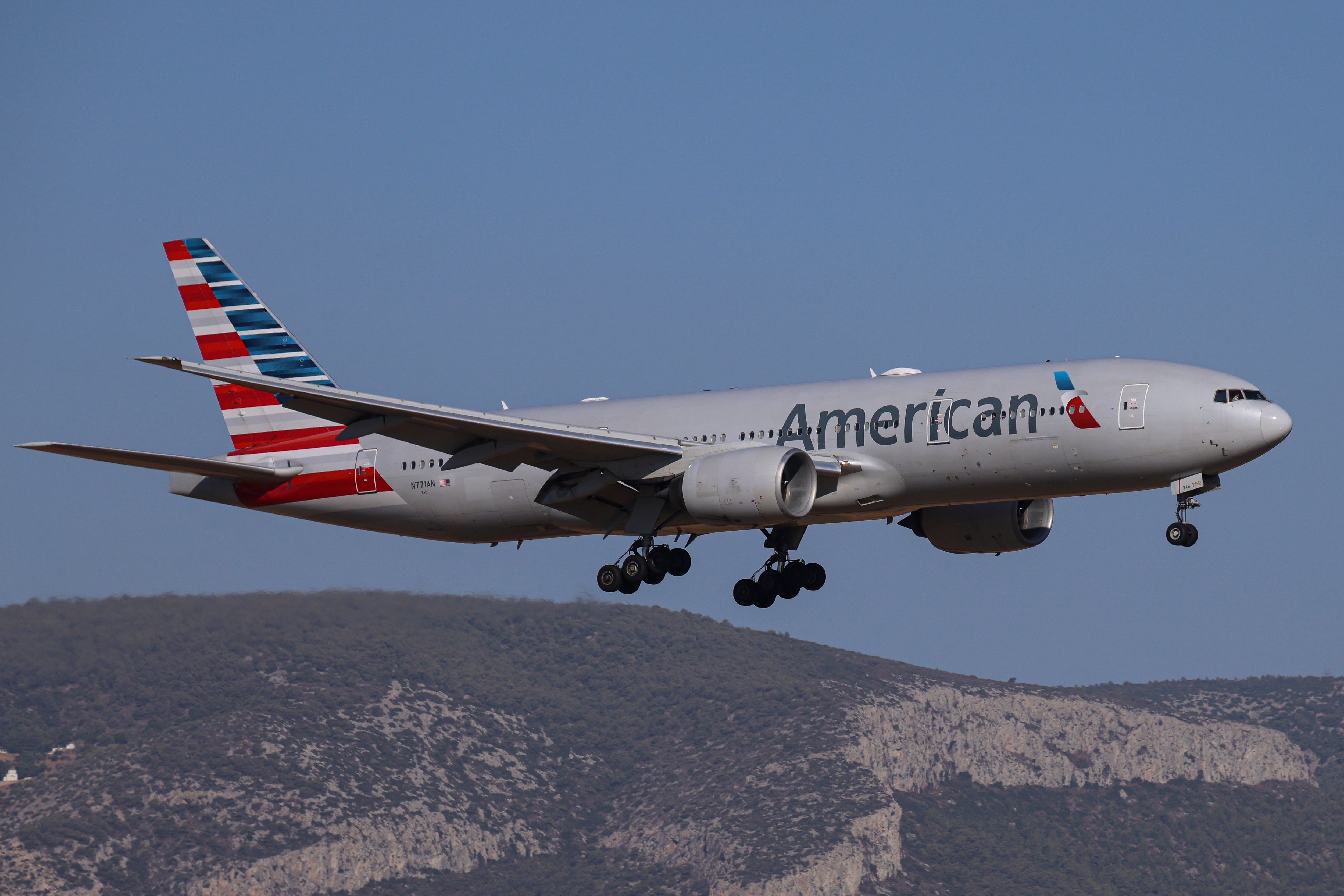
American Airlines will stop awarding AAdvantage miles and status-earning Loyalty Points on basic-economy tickets for all new bookings made from Dec. 17 onward; previously basic fares earned 2 miles and Loyalty Points per dollar (down from the standard 5). The change aligns American with certain competitor practices (Delta bars earnings on basic fares; United gives partial elite credit) and could modestly improve yields or reduce loyalty-program costs by nudging price-sensitive customers toward higher fare classes, while also risking reduced demand or customer goodwill among frequent flyers.
Market structure: American’s decision shifts incremental yield from loyalty programs toward fare-class revenue and ancillaries; if basic fares represent ~15–25% of bookings, removing Loyalty Point accrual could increase short‑term unit revenue by ~0.5–2.0% while shifting marginal demand toward Main Cabin or competitors. Winners: AAL (ancillary yield) and low‑fare leisure travelers who already paid less; losers: AAdvantage members, co‑brand card spenders and routes where elites subsidize fares. Cross‑asset: expect immediate equity dispersion (AAL vol + implied), modest widening in AAL CDS/bond spreads if market fears loyalty erosion, negligible impact on jet fuel or FX absent broader demand shock.
Risk assessment: Tail risks include regulatory scrutiny (FTC/DOJ or state AG probes) and bank/co‑brand partner pushback that could reduce card economics (10–30% of loyalty revenue at risk), and competitive retaliation (price cuts by DAL/UAL) causing a 1–3% revenue hit. Immediate (days): share volatility and booking pattern noise; short (weeks–months): revenue mix and co‑brand metrics become visible; long (1–3 years): LTV erosion of elites could lower lifetime revenue per passenger by mid-single digits. Hidden dependency: loyalty accounting (breakage) and partner revenues; catalysts: quarterly guidance, banks’ contract renegotiations, competitor matching.
Trade implications: tactical direct play is short AAL equity/call overwrites and long selective UAL/DAL exposure: AAL downside catalyst is near‑term guidance and co‑brand metrics. Pair trade (long DAL or UAL, short AAL) isolates execution/market risk — target 2–3% portfolio notional each leg for 3–6 months. Options: buy 3–6 month AAL put spreads (10%/20% OTM) sized to desired delta; consider buying 1‑year AAL CDS if credit cheapens >50bp. Rotate modest OW into travel exposure with stronger loyalty economics (DAL) and reduce exposure to AAL credit if spreads widen >75bp.
Contrarian angle: Consensus assumes loyalty erosion is net negative — but reducing miles liability and raising ancillary mix can improve GAAP margin and free cash flow by low‑single digits if retention holds; Delta’s similar moves did not structurally damage yield. Risks to the contrarian trade: co‑brand revenue loss or a competitor price war. Action threshold: if AAL underperforms peers by >12% in 30 days without new guidance, the market may be overselling — consider flipping to a mean‑reversion long within a capped option spread.
AI-powered research, real-time alerts, and portfolio analytics for institutional investors.
Request DemoOverall Sentiment
mildly negative
Sentiment Score
-0.25
Ticker Sentiment
