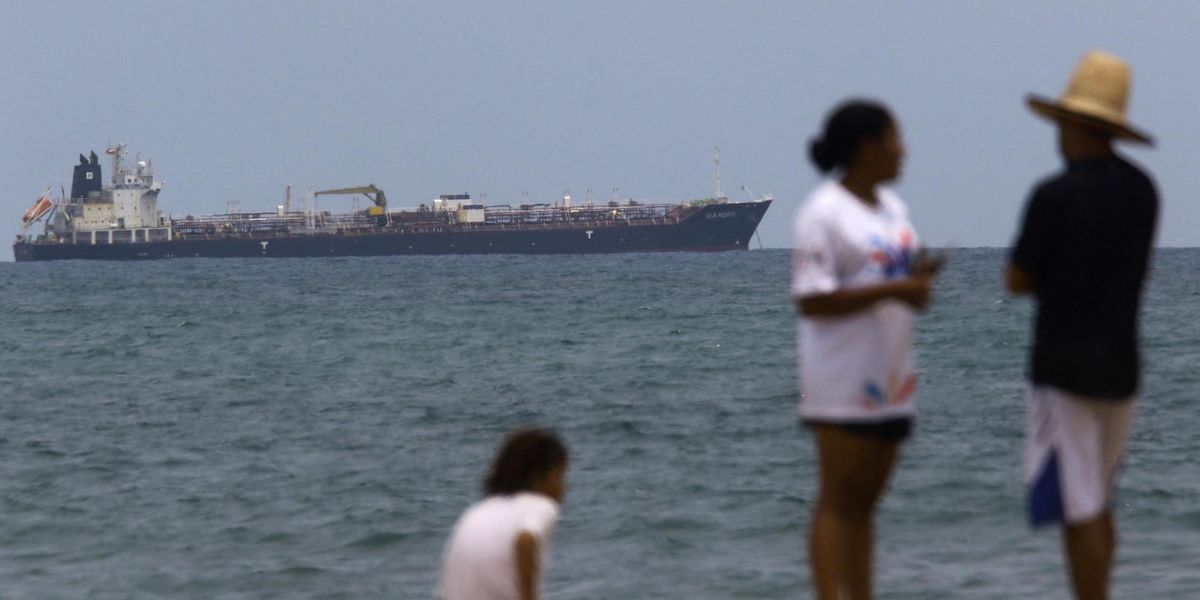
730,000-barrel Russian tanker Anatoly Kolodkin will be allowed to deliver crude to Cuba; the cargo can be refined into about 250,000 barrels of diesel and is expected to take 15–20 days to process plus another 5–10 days to distribute. The U.S. frames the move as a case-by-case humanitarian exception amid continued sanctions, signaling a tactical easing that may relieve Cuban fuel shortages but has limited implications for global oil markets and broader geopolitics.
Selective humanitarian carve-outs create a brittle enforcement regime: sanction risk morphs into a volatility premium for parties that move sanctioned cargoes. Shipowners, shipbrokers and specialty war-risk insurers can capture that premium through higher spot rates, longer employment days, and ancillary fees tied to ship‑to‑ship transfers and extended anchorage — a structural margin tailwind that can persist for quarters if U.S. policy stays discretionary.
Politically, the move functions as a lever rather than a policy shift — it lowers the probability of an acute migration or humanitarian shock that would force rapid escalation, but it simultaneously gives exporting states a visible demonstration of leverage. That makes near-term escalation less likely while increasing the value of energy diplomacy as a bargaining chip, a dynamic that should compress headline-driven oil-price spikes but widen dispersion across sub‑sectors tied to logistics and risk services.
Markets should therefore price idiosyncratic winners rather than a broad oil rally. Expect outsized—yet concentrated—opportunities in tanker equities, marine insurance/reinsurance brokers, and niche service providers that enable sanctioned movements (STS operators, shipbrokers). The main reversal risk is a sudden re-hardening of enforcement or international insurance blacklists; that tail can hit valuations quickly within days, so trades should be sized and hedged for cliff-risk.
AI-powered research, real-time alerts, and portfolio analytics for institutional investors.
Overall Sentiment
mixed
Sentiment Score
0.05
