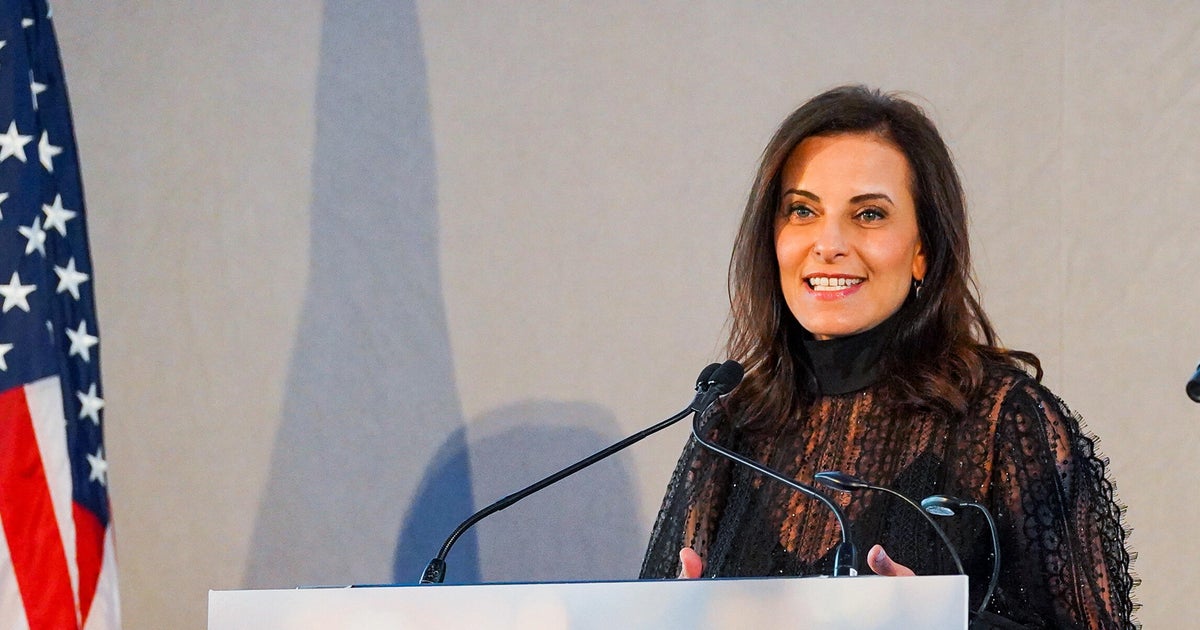
Meta has appointed Dina Powell McCormick, a former Trump administration adviser and finance executive, as president and vice chairman to help guide overall strategy and the execution of multi‑billion‑dollar investments; she previously served on Meta’s board and was described as deeply engaged in accelerating the company’s AI efforts. The hire signals Meta’s push to strengthen ties with political power centers while adding senior financial and global relationships—background includes 16 years at Goldman Sachs, senior roles at BDT & MSD Partners and board experience at Exxon; she resigned from Meta’s board in December after eight months.
Market structure: Meta is the clear direct beneficiary — an experienced finance/operator in a management role reduces execution risk on multi‑billion AI investments and may materially improve advertiser relations with conservative audiences, implying a realistic incremental ad-revenue upside of ~1–3% in 6–12 months and 3–7% over 12–24 months if monetization improves. Competitors (GOOGL, AMZN cloud partners, NVDA as hardware supplier) are secondary beneficiaries; smaller ad-native peers (SNAP) are the relative losers as ad budgets re-consolidate. Cross-asset: expect modest compression in tech credit spreads on positive sentiment, small FX USD strength if capital repatriation accelerates, and limited commodity impact.
Risk assessment: Tail risks include a regulatory probe or high-profile advertiser boycott that could cut ad revenue by 10–30% in a stressed 1–3 month window; conflict-of-interest or Senate scrutiny (given spouse’s role) could trigger governance sell-side downgrades. Immediate (days): knee‑jerk move ±3–7%; short (weeks/months): ad demand/data policy shifts; long (quarters/years): execution of AI investments and ROI. Hidden dependencies: board cohesion, integration of policy/PR, and advertiser contract renewal cadence. Key catalysts: next earnings (30–90 days), FTC/DOJ filings, major advertiser decisions.
Trade implications: Tactical long META exposure is warranted but should be structured and hedged — prefer 3–9 month call spreads to capture AI/advertiser re‑engagement upside while capping cost; use short-dated puts as event insurance. Pair trades: long META vs short SNAP to play ad-share reversion over 3–9 months. Rotate modestly into AI infrastructure (NVDA, MSFT) to capture secondary upside from Meta’s capital deployment. Entry window: 0–6 weeks; target realization 3–9 months; cut losses at -12% for equity positions or tighten hedges.
Contrarian view: Consensus focuses on political optics but underprices governance/regulatory friction — a 10–20% reputational hit is plausible if controversies escalate. Conversely, market may underreact to improved capital allocation discipline under a finance‑savvy president, leaving 15–40% upside if Meta executes AI monetization and reclaims ad budgets. Historical parallels (tech hires from government) show neutral-to-positive fundamental impact only when paired with measurable KPI inflections; failure to deliver KPIs would lead to sharp de-rating. Unintended consequence: aggressive courting of political figures can accelerate regulatory scrutiny, making hedges essential.
AI-powered research, real-time alerts, and portfolio analytics for institutional investors.
Request DemoOverall Sentiment
mildly positive
Sentiment Score
0.28
Ticker Sentiment
