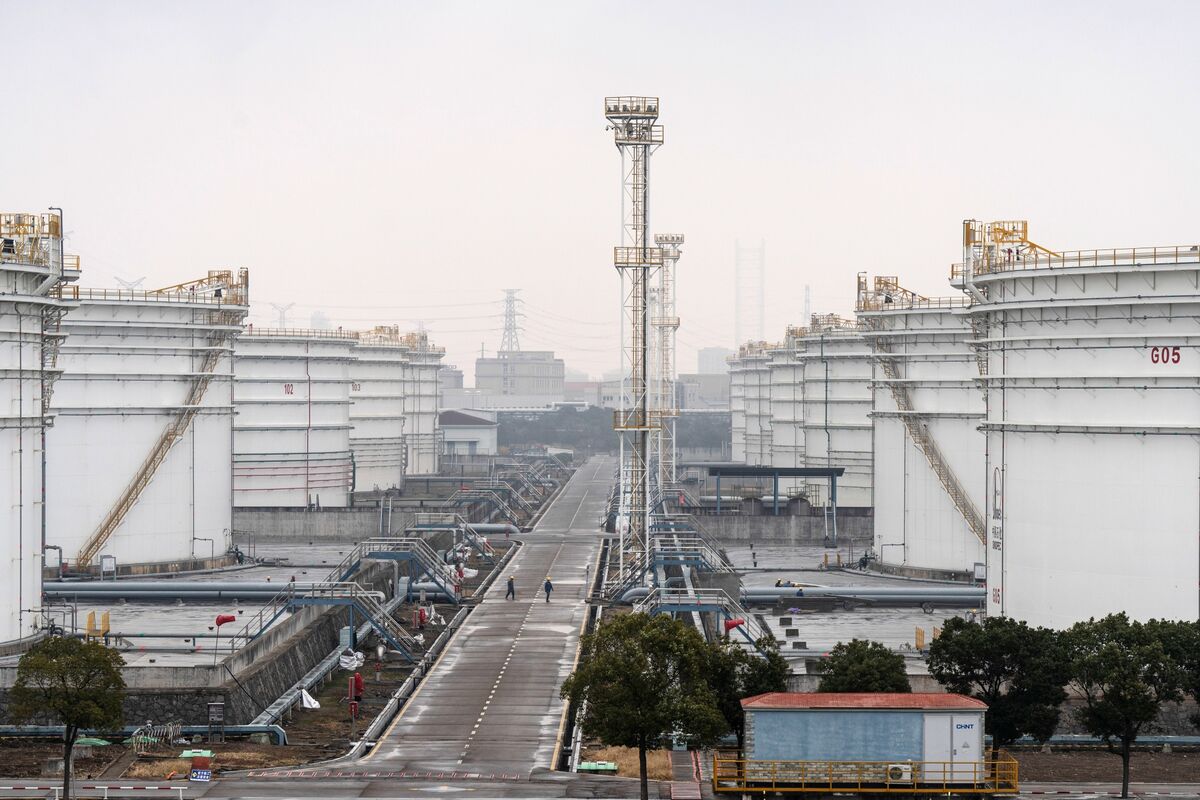
China may allow refiners to draw up to 1 million barrels per day from commercial oil stockpiles over the next 4–6 weeks to offset supply risks from the Iran/Middle East crisis. The move—targeting processors especially in southern China—aims to limit refinery run cuts or shutdowns and should help temper near-term upward pressure on crude markets.
A short-lived domestic supply adjustment in China is likely to show up first in the physical microstructure: fewer spot liftings into the near-month window will depress prompt crude demand, loosen front-month tightness and push the curve toward a flatter shape over weeks rather than months. Tanker spot rates on the intra-Asia and Middle East–China legs are the most directly sensitive market segment; expect freight to lead price moves and to recover later only if seaborne flows re-normalize or geopolitical risk spikes. Winners will be entities that preserve refinery throughput and product market share without paying incremental spot premia — state-linked refiners and downstream chemical players that rely on steady feedstock flows. Losers include spot-focused crude sellers and overloaded tanker owners/charterers who see utilization and dayrates compress; second-order winners are regional buyers (India, SE Asia) that can pick up displaced cargoes and trading houses that capture arbitrage margins. Key risks and catalysts are asymmetric and time-dependent: an escalation in Middle East supply disruptions can overwhelm any temporary domestic buffer and quickly re-tighten prompt markets, while a coordinated policy move to refill inventories in 2–4 months would flip the trade into a structural bid. Monitor three triggers: prompt vs 3-month Brent spread moves, VLCC/AFRA spot rates on the ME→China lane, and incremental Chinese refinery run data — each will validate or reverse the short-term flattening thesis.
AI-powered research, real-time alerts, and portfolio analytics for institutional investors.
Overall Sentiment
neutral
Sentiment Score
0.05
