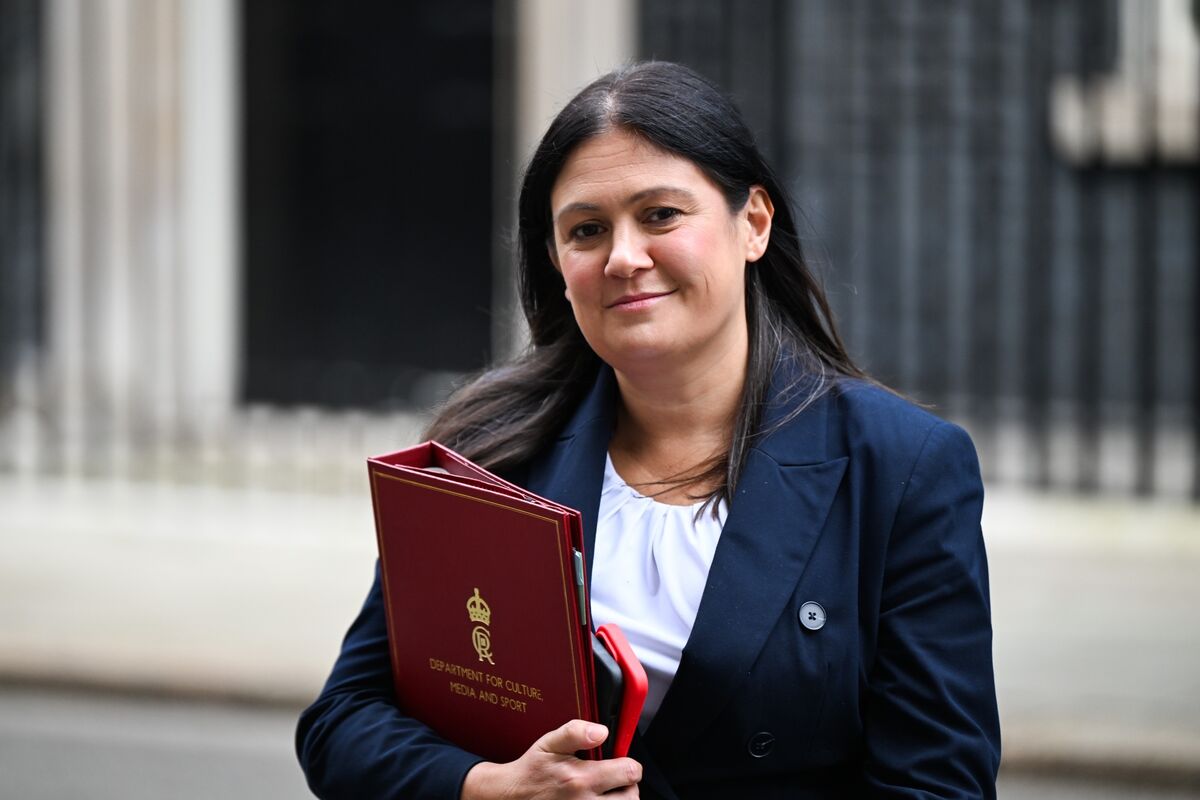
UK fiscal policy faces uncertainty ahead of the budget as Culture Secretary Lisa Nandy emphasized adherence to manifesto pledges, implicitly opposing potential income tax increases, while Chancellor Rachel Reeves has not ruled out breaching commitments on income tax, VAT, or national insurance. This internal Labour divergence occurs amidst speculation that £30 billion is required to stabilize public finances, signaling potential tax hikes and market implications for the upcoming budget.
The upcoming UK budget is marked by significant fiscal policy uncertainty, stemming from internal Labour Party divergence. Chancellor Rachel Reeves has notably refused to rule out breaching manifesto pledges on income tax, VAT, or national insurance, despite Culture Secretary Lisa Nandy's emphasis on the importance of manifesto commitments. This signals a potential shift from prior assurances, driven by an estimated £30 billion requirement to stabilize public finances.
This policy ambiguity contributes to a "moderately negative" sentiment and an "uncertain" tone in the market, with a market impact score of 0.6. The prospect of significant tax increases, particularly on income, consumption, and employment, introduces considerable economic uncertainty. Such measures could impact consumer spending, corporate profitability, and overall economic growth.
The internal party conflict underscores heightened political risk surrounding future fiscal direction. Investors face increased unpredictability regarding the UK's tax regime and public spending priorities. This environment necessitates close monitoring of budget announcements and subsequent policy implementation for clarity on the economic trajectory.
AI-powered research, real-time alerts, and portfolio analytics for institutional investors.
Request DemoOverall Sentiment
moderately negative
Sentiment Score
-0.50
