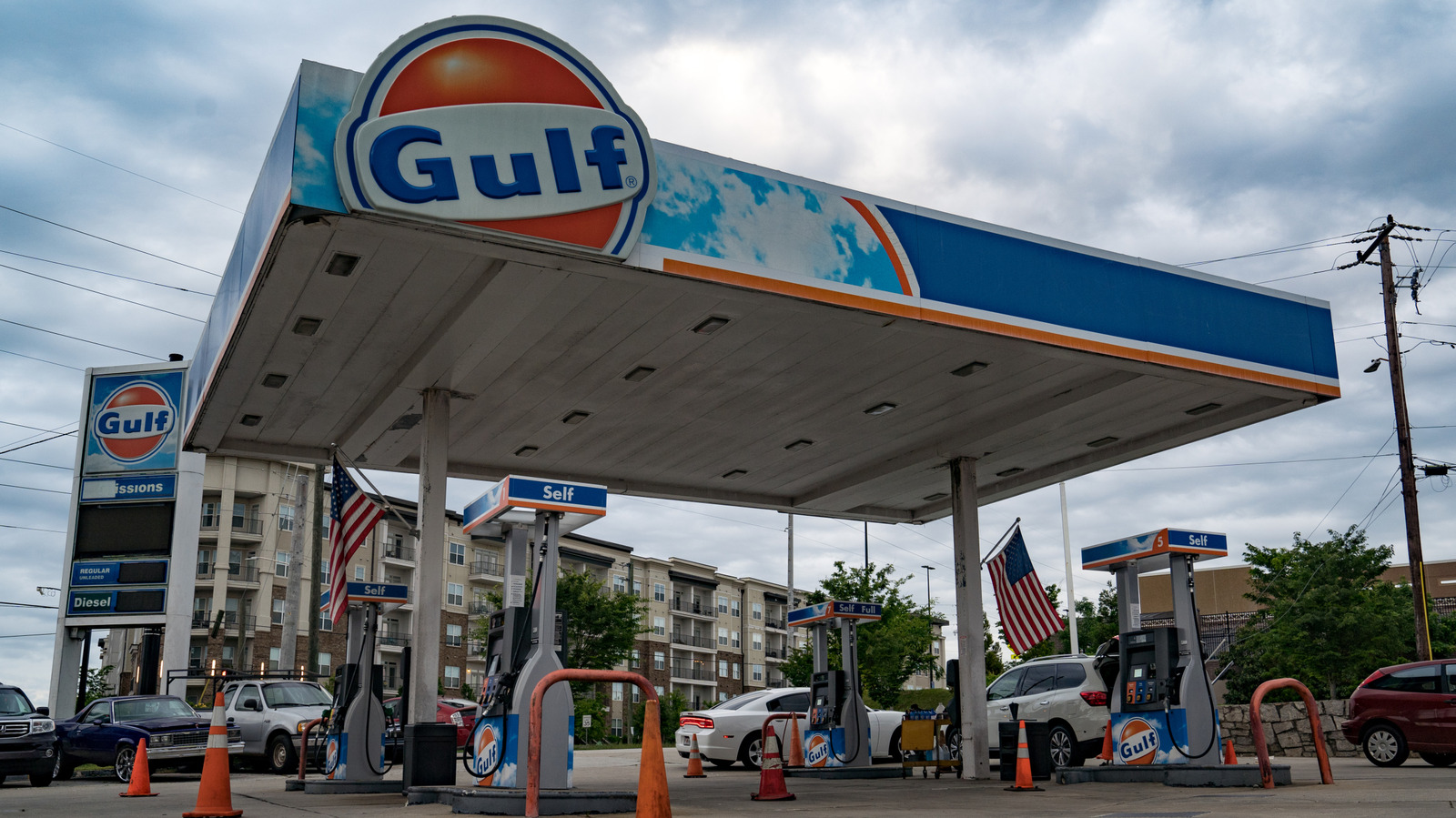
Georgia suspended its state gas tax for 60 days, a measure that would nominally save drivers about $0.33 per gallon but is expected to cost the state roughly $400 million. Many gas stations may keep retail prices unchanged to pocket the savings, prompting at least 25 consumer complaints and an investigation by Attorney General Chris Carr under the Fair Business Practices Act rather than price-gouging statutes. The move creates a near-$400M hole in the transportation budget, risking cuts to road maintenance and infrastructure spending despite limited immediate relief at the pump.
The immediate policy move is a behavioral experiment in pass‑through and enforcement; the non‑obvious result is activity migration rather than a pure consumer windfall. Station operators can treat the holiday as a transient pricing arbitrage — holding pump prices steady to capture incremental margin — while the state simultaneously faces near‑term capital reallocation choices that will shift spending from resurfacing and maintenance to short‑term operating fixes. That reallocation creates sectoral winners (auto service, parts, used‑car shops) and losers (local civil contractors, aggregate suppliers) through changed municipal procurement and delayed capex timelines.
Legal and political catalysts will dominate near‑term outcomes: a publicly announced enforcement action or regulatory guidance forcing pass‑through could trigger an immediate compression of retailer margins within days, while budget remediation (revenue swaps, one‑time transfers, or municipal bond issuance) will play out over months and determine whether infrastructure vendors take permanent demand losses. Credit and procurement cycles mean some contracts already awarded will proceed, but re‑bid work and new projects are the most exposed over a 3–12 month window. Macroeconomic offsets — higher energy prices, federal aid, or election‑driven policy changes — can materially reverse these dynamics.
For capital allocation, the clean arbitrage is between firms whose revenues are tied to incremental vehicle repairs and those dependent on state construction spend. Market consensus treats the policy as a transient consumer relief story; it underestimates tactical pricing by retail fuel sellers and the knock‑on shift of municipal spend that mechanically benefits aftermarket and penalizes materials suppliers. Monitor state AG filings and county budget amendments as high‑information triggers; those documents give a 1–8 week read on enforcement intensity and funding backfills.
AI-powered research, real-time alerts, and portfolio analytics for institutional investors.
Request DemoOverall Sentiment
mildly negative
Sentiment Score
-0.25
