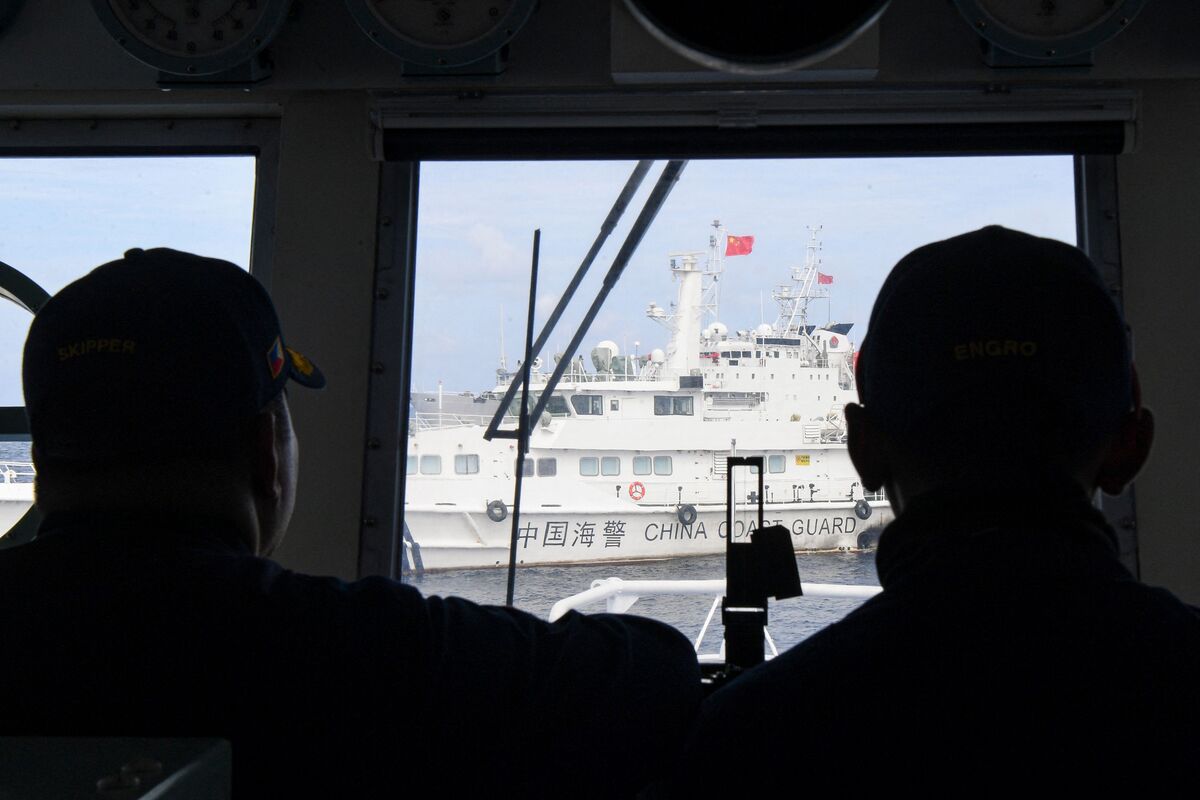
Philippine National Security Adviser Eduardo Año reports heightened Chinese aggression in the South China Sea, linking it to domestic pressure on Beijing after a recent collision involving Chinese vessels chasing a Philippine ship reportedly resulted in two Chinese crew fatalities. This incident, which Año described as bringing "shame" to China's military, suggests that internal dynamics are driving more assertive actions, potentially escalating regional maritime tensions and increasing geopolitical risk in a critical trade route.
Heightened geopolitical risk is emerging in the South China Sea, driven by what a Philippine official describes as increased Chinese maritime aggression. According to Philippine National Security Adviser Eduardo Año, this escalation is a direct response to domestic pressure on Beijing following a recent incident where two Chinese vessels collided, resulting in at least two crew fatalities, while in pursuit of a Philippine ship. This event has reportedly caused 'shame' for China's military, compelling it to adopt a more assertive posture to defend its territorial claims. The development, underscored by a strongly negative sentiment score (-0.6) and a moderately high market impact score (0.65), suggests that internal political dynamics within China are a key driver of external military actions. This feedback loop increases the unpredictability of encounters in a critical global trade route, elevating the risk of further miscalculation and confrontation, with direct implications for regional stability and maritime security.
AI-powered research, real-time alerts, and portfolio analytics for institutional investors.
Request DemoOverall Sentiment
strongly negative
Sentiment Score
-0.60
