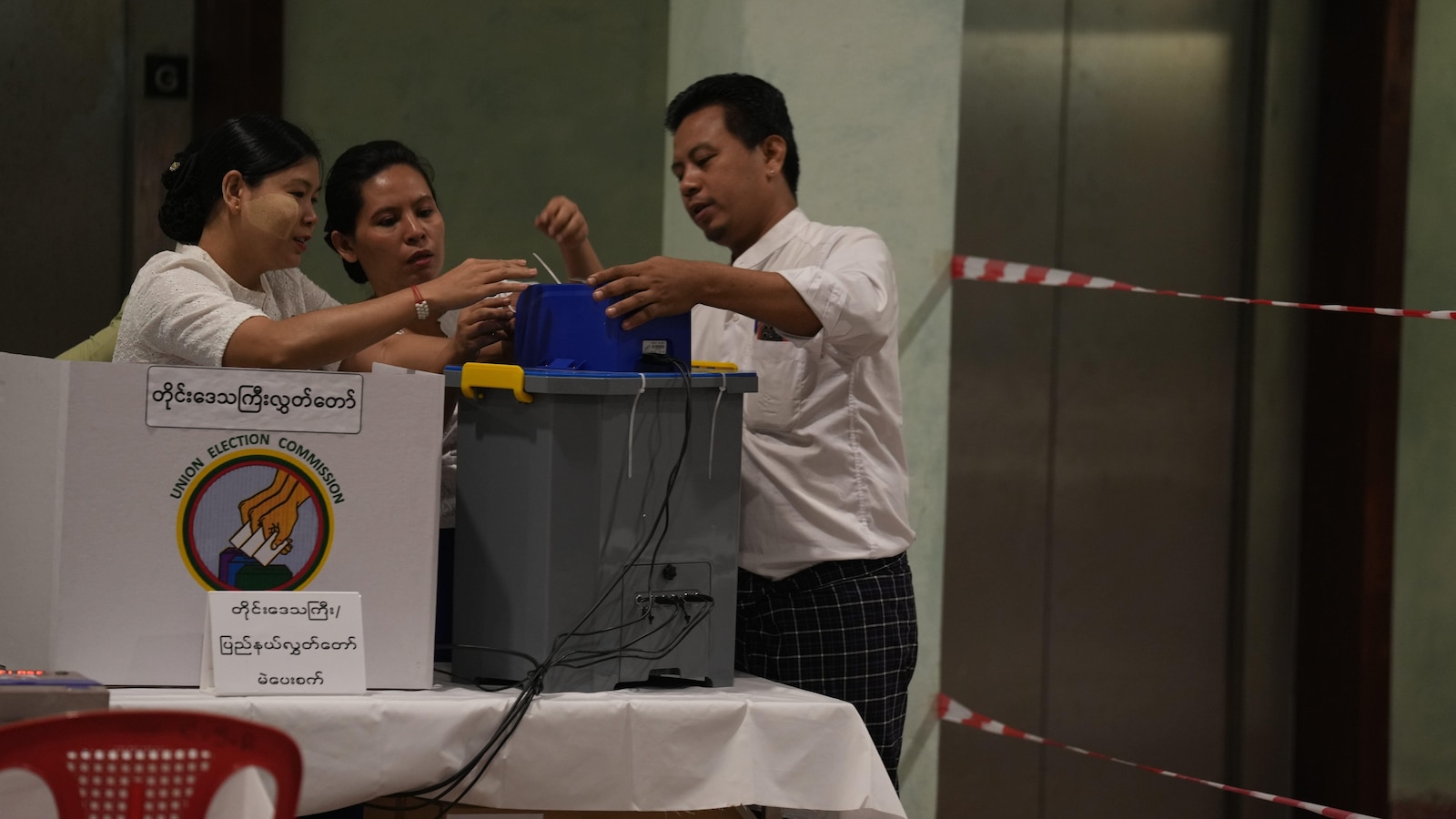
Myanmar conducted the first phase of a three-stage general election under military supervision amid an active civil war, with voting in 102 of 330 townships and final results expected in late January. The contest—marked by the dissolution of the National League for Democracy, the imprisonment of Aung San Suu Kyi, widespread opposition boycotts, use of electronic voting machines for the first time, and heavy security—looks set to favor the military-backed Union Solidarity and Development Party, sustaining sanctions, political risk (22,000+ detained, 7,600+ civilians killed, 3.6M displaced) and deterring significant international capital inflows despite possible regional acceptance by China, India and Thailand.
Market structure: The election reinforces a higher-risk, bifurcated market — winners are Chinese/Thai state-backed energy, construction and logistics firms that can legally underwrite new contracts; losers are Western investors, NGOs and Myanmar consumer-facing businesses facing sanctions and limited access. Expect localized pricing power to shift to military-linked concession holders (higher EBITDA margins locally) while formal international buyers price in a 200–500bp political risk premium for projects in Myanmar over 6–24 months.
Risk assessment: Tail risks include major pipeline or offshore gas-field shutdowns (20–50% local flow loss) or an EU/US secondary sanctions package within 30–90 days that forces counterparties to exit, causing sovereign spread spikes and kyat devaluation >10%. Immediate (days) risks are FX volatility and equity gap-downs; weeks–months bring sanction decisions and supply interruptions; quarters–years could see Chinese capital substitution reducing Western exit costs. Hidden dependency: continuity hinges on China/Thailand energy demand and willingness to absorb reputational risk.
Trade implications: Expect EM sovereign spreads and EMB-like ETFs to widen and safe-haven assets (USD, USTs, gold) to appreciate; local commodity impact is concentrated (natural gas, jade, tin). Tactical actions: hedge EM beta now (days), add gold as a 1–3 month geopolitical hedge, and look for selective ASEAN reflation trades if Thai/Chinese engagement persists after the Jan 25 final phase.
Contrarian angle: The market may overprice systemic EM contagion — Myanmar is a small share of global commodities, so a 100–200bp move in broad EM spreads could be transient and attractive to buy on 30–90 day horizon if no secondary sanctions appear. Historical parallels (localized regime changes like Guinea/2010) show rapid re-entry by regional partners within 3–12 months; unintended consequence: short-term chaos could create steep entry points for Chinese/Thai energy contractors and selective regional equities.
AI-powered research, real-time alerts, and portfolio analytics for institutional investors.
Request DemoOverall Sentiment
moderately negative
Sentiment Score
-0.60
