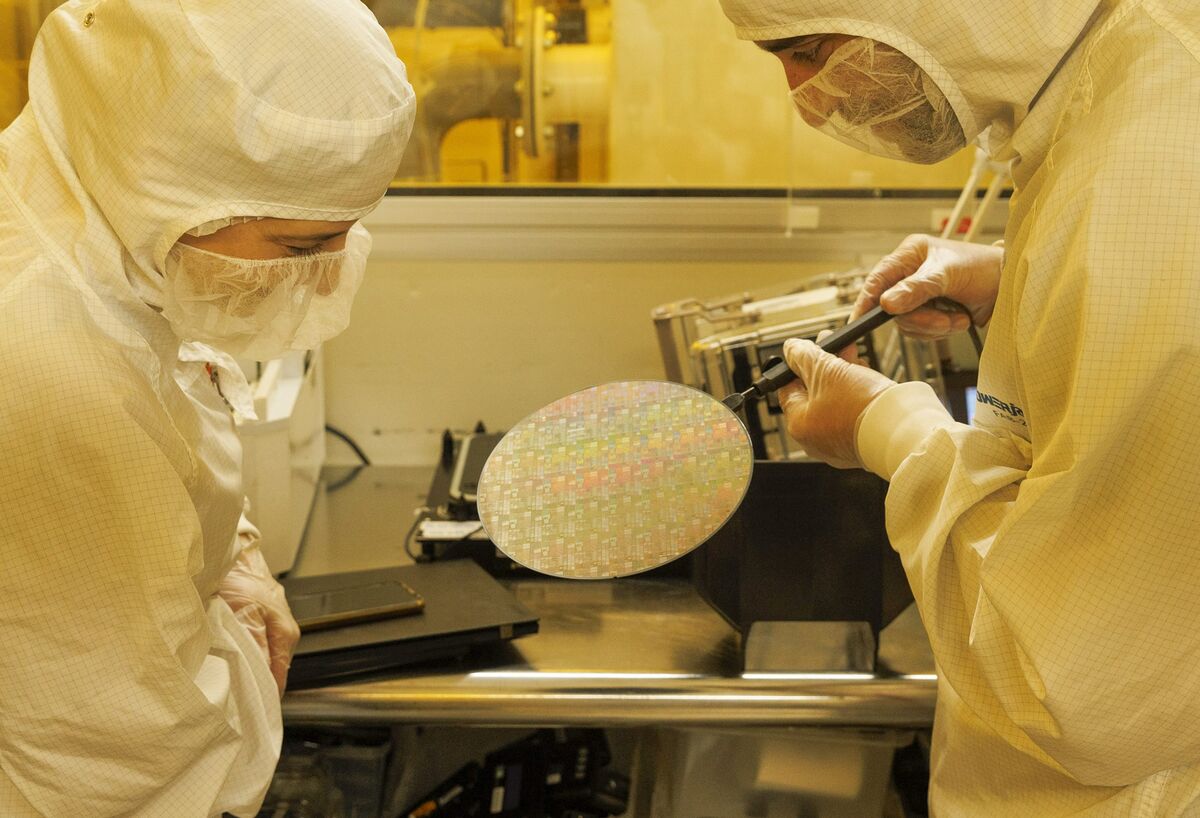
Semiconductor industry leaders are cautioning the Department of Homeland Security that proposed tighter F-1 student visa regulations threaten to shrink the critical talent pool, thereby undermining efforts to expand chip manufacturing within the US. More than two dozen semiconductor executives have formally objected, emphasizing the potential adverse impact on workforce availability and domestic production capabilities.
A significant contingent of semiconductor industry leaders is formally opposing a Trump administration proposal to tighten F-1 student visa rules, signaling a material risk to the sector's human capital supply chain. Over two dozen executives have objected to the Department of Homeland Security's plan, arguing that it would shrink a vital talent pool and directly undermine strategic efforts to expand chip manufacturing within the United States. The F-1 visa program is characterized as a 'critical pipeline' for the tech workforce, and the proposed restrictions introduce a notable regulatory headwind. This development injects uncertainty into the long-term operational viability of domestic expansion projects, as access to specialized talent is a foundational requirement for both advanced R&D and manufacturing. The cautious but firm industry response, reflected in a moderately negative sentiment score, highlights a potential constraint on future growth and innovation for US-based semiconductor firms if the rule changes are enacted.
AI-powered research, real-time alerts, and portfolio analytics for institutional investors.
Request DemoOverall Sentiment
moderately negative
Sentiment Score
-0.50
