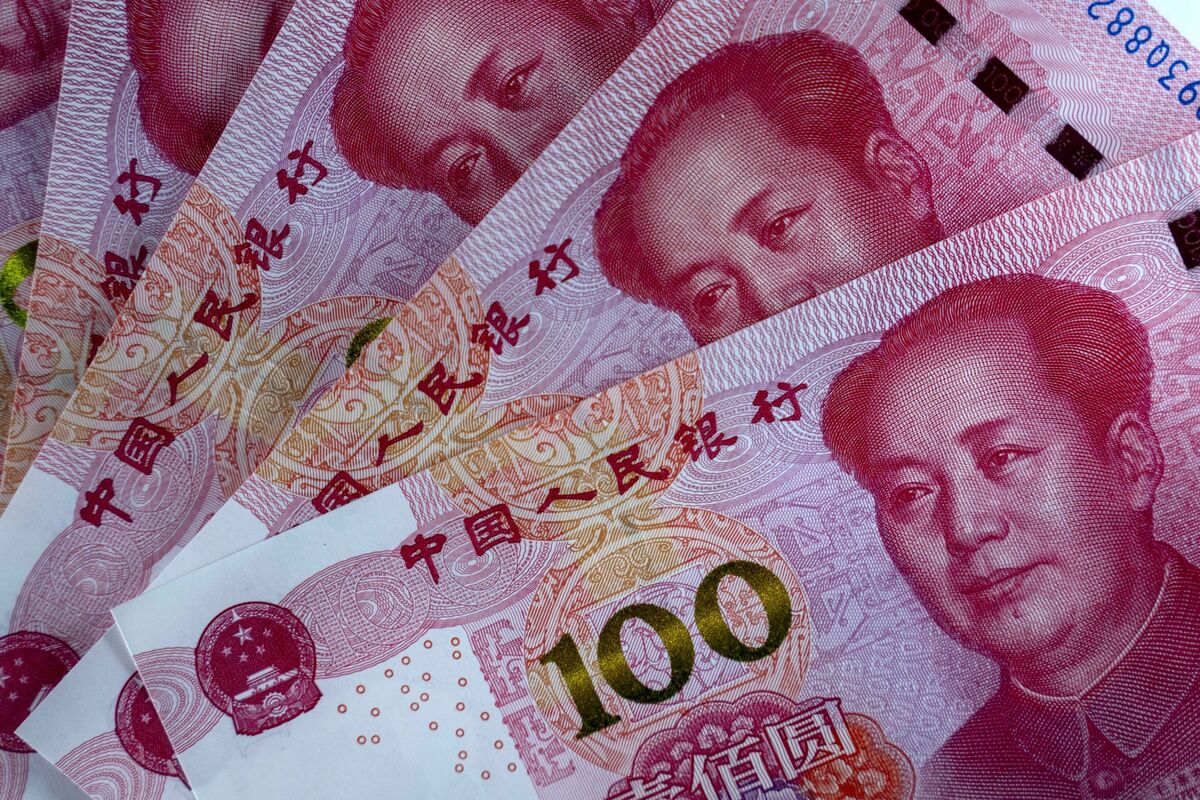
China is strategically leveraging its position as the world's largest creditor to promote the global adoption of the yuan, offering overseas borrowers the opportunity to convert dollar-denominated debt into yuan-denominated loans at more favorable interest rates. Ethiopia recently exemplified this trend by considering converting $5.38 billion of its debt to Beijing into yuan, while other sovereigns are increasingly utilizing cheaper Chinese financing through yuan-denominated bonds, thereby advancing Beijing's broader currency internationalization agenda.
China is strategically leveraging its position as the world's largest creditor to advance the internationalization of the yuan, offering overseas borrowers the opportunity to convert dollar-denominated debt into yuan-denominated loans. This initiative capitalizes on economically-depressed interest rates within China, making yuan financing more attractive and directly challenging the dollar's dominance in global finance.
Ethiopia's consideration to convert $5.38 billion of its debt to Beijing into yuan-denominated loans exemplifies this strategic shift. Concurrently, a growing number of sovereign nations are accessing cheaper Chinese financing through yuan-denominated bonds, indicating a broader trend among emerging markets seeking more favorable borrowing terms and currency diversification.
This systematic approach carries significant geopolitical implications, strengthening China's financial influence and potentially reducing reliance on the US dollar for debtor nations. While offering immediate financial relief, it also deepens economic ties with Beijing, which could gradually reshape global financial architecture and currency dynamics.
AI-powered research, real-time alerts, and portfolio analytics for institutional investors.
Overall Sentiment
moderately positive
Sentiment Score
0.50
