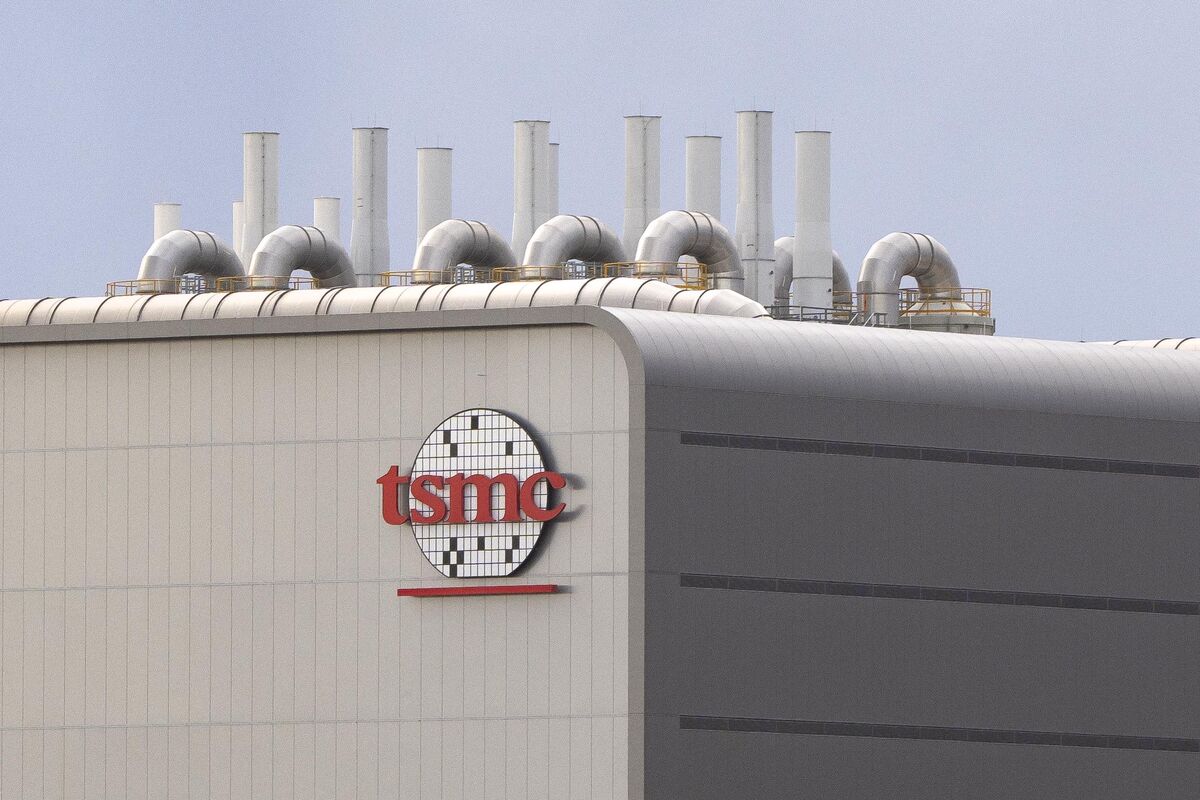
AMD CEO Lisa Su stated that chips manufactured by TSMC in Arizona will cost 5% to 20% more than those produced in Taiwan, with AMD expecting its first chips from the U.S. facility by year-end. This highlights the significant cost premium associated with domestic semiconductor production, potentially impacting AMD's component costs and broader supply chain reshoring economics.
Advanced Micro Devices (AMD) faces a direct impact on its cost structure following CEO Lisa Su's confirmation that chips sourced from TSMC's Arizona facility will be 5% to 20% more expensive than those from Taiwan. This quantifies the cost premium associated with supply chain onshoring and presents a potential headwind to AMD's gross margins, as the company is slated to receive its first chips from this higher-cost facility by year-end. The moderately negative sentiment signal for AMD (-0.4) reflects this margin risk. For Taiwan Semiconductor Manufacturing Co. (TSM), the development is neutral, indicating the market perceives TSMC as having sufficient pricing power to pass on the higher operational costs of its US plant to clients. This event underscores the significant economic friction in diversifying semiconductor manufacturing geographically, a key theme in current trade and industrial policy.
AI-powered research, real-time alerts, and portfolio analytics for institutional investors.
Request DemoOverall Sentiment
moderately negative
Sentiment Score
-0.50
Ticker Sentiment
