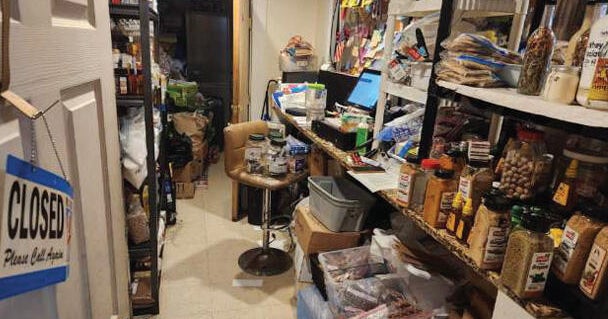
Federal prosecutors charged two Boston-area store owners, Antonio Bonheur and Saul Alisme, in a $7 million SNAP trafficking scheme involving Jesula Variety Store and Saul Mache Mixe Store, which allegedly redeemed up to $500,000 of SNAP benefits per month from a single Mattapan storefront with minimal inventory. Authorities contend benefits were exchanged for cash and alcohol and nonprofit meal packs were resold, prompting criticism of Massachusetts' oversight, a state referral to USDA and potential federal policy consequences amid broader federal pressure to withhold SNAP funds from states over recipient-data disputes.
Market-structure: This case highlights leakage in EBT/SNAP channels that structurally advantages large, compliant grocers (WMT, COST, KR) over micro-operators who captured disproportionate SNAP redemptions. Expect a modest reallocation of low-income food spending toward national chains over 3–12 months as states tighten merchant onboarding and transaction monitoring; incumbents gain pricing/footfall power by +0.5–1.5% market-share in affected neighborhoods.
Risk assessment: Tail risks include aggressive federal action (Trump admin withholding funds) that could depress SNAP-funded consumption by 3–5% in worst-case Democratic-state scenarios over 1–6 months, creating short-term downside for local retail sales and state muni stress. Hidden dependencies: vendor/processor vendors (EBT vendors, state IT contractors) and muni liquidity lines may see follow-on volatility; catalysts include DOJ settlements, USDA policy memos, and state remediation contracts in the next 30–90 days.
Trade implications: Tactical winners: large grocers and payments/GovTech providers that win remediation contracts (FIS, FISV, CGI) should see incremental revenue and margin tailwinds over 6–18 months. Tactical losers: small c-store and specialty grocer regional names and certain small-cap retail REITs exposed to convenience formats could see comps slip ~2–6% if enforcement scales; expect modest outflows from these names.
Contrarian angles: The market will overestimate immediate sales impact — SNAP beneficiaries will still spend but re-channel to compliant merchants; that favors stable, low-beta staples over cyclicals. Conversely, increased compliance spend creates a 6–24 month revenue opportunity for niche GovTech/payments players that markets may be underpricing today.
AI-powered research, real-time alerts, and portfolio analytics for institutional investors.
Request DemoOverall Sentiment
moderately negative
Sentiment Score
-0.45
