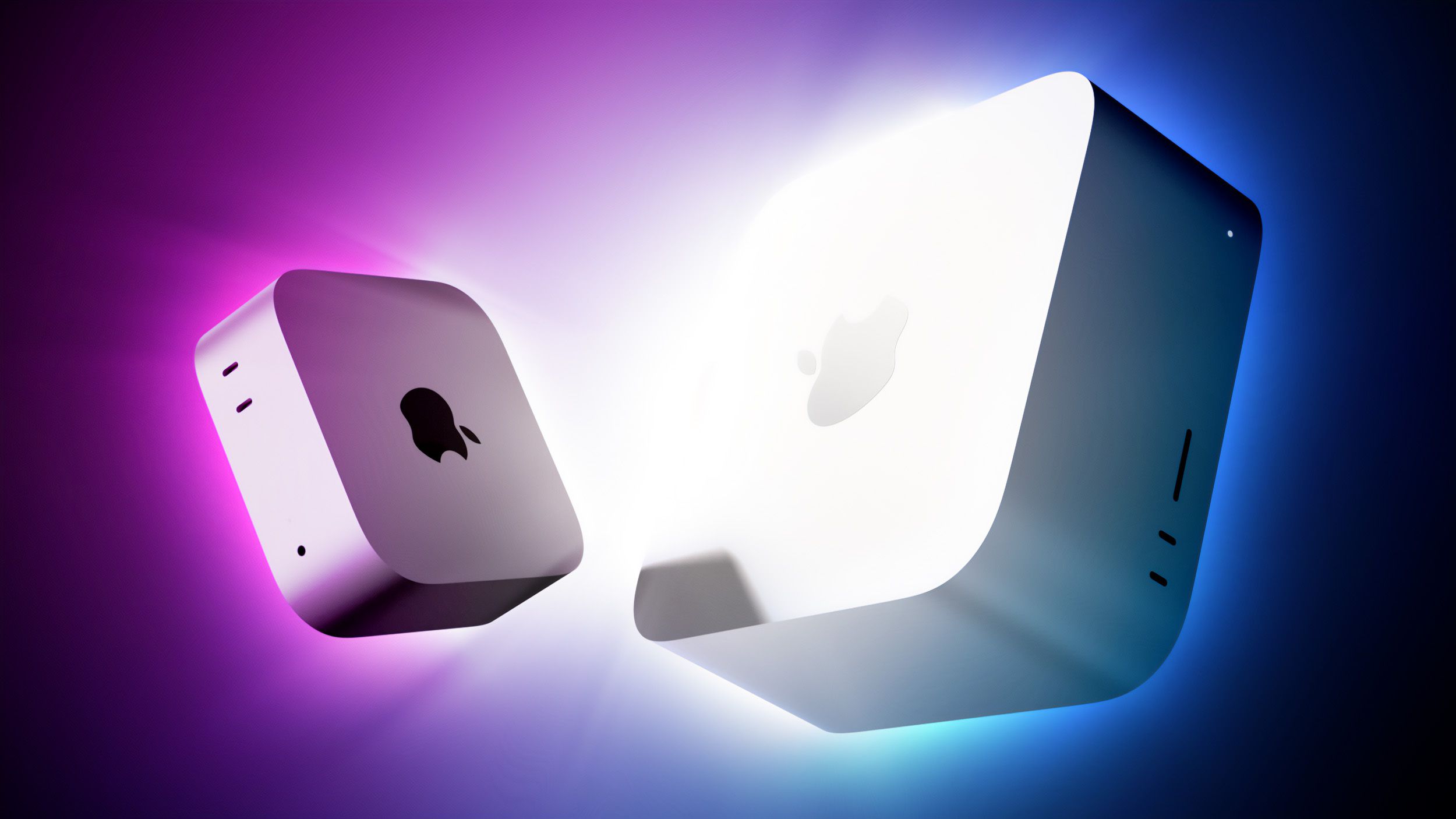
Apple's U.S. online store shows some Mac mini configurations with 32GB or 64GB RAM and Mac Studio configurations with 128GB or 256GB RAM as currently unavailable, while remaining models face shipping delays of 1 to 3 months. The article attributes the shortages primarily to a global memory chip crunch driven by AI server demand, though it also raises speculation about upcoming M5-based refreshes. Apple's removal of the Mac Studio 512GB RAM option last month adds to the supply-side strain, but the piece suggests prices may stabilize only gradually.
This reads less like a clean product-cycle tell and more like an early symptom of a broader memory allocation squeeze. The second-order issue is that Apple’s premium desktop lineup is an unusually visible consumer of high-capacity DRAM, so if retail lead times are stretching this far, the tightness is likely already showing up in upstream pricing and vendor allocation before it becomes obvious in earnings prints. That supports a near-term positive read-through for memory suppliers with enterprise/AI exposure, but only selectively: the market will reward firms with pricing power and mix shift leverage, not commoditized bit suppliers.
For Apple, the risk is not demand destruction in the desktop franchise so much as margin compression if it needs to absorb elevated memory costs while preserving price points. The longer the shortage persists, the more likely Apple is forced into either lower-memory SKUs, wider configuration gaps, or delayed launches, which can dilute upgrade intent and push some pro users toward Windows workstations. That is a subtle but real competitive opening for OEMs that can source workstation-class memory more reliably, especially if AI server demand continues to crowd out consumer and prosumer inventory over the next 1-2 quarters.
The contrarian angle is that investors may be over-indexing on an imminent Mac refresh and underpricing how sticky this shortage could be. If the bottleneck is supply-driven rather than product-cycle-driven, a June/September launch may not fully clear the backlog; instead, Apple may simply ship constrained volumes with less favorable mix. That makes the catalyst asymmetrical: even a normal refresh could disappoint if availability remains poor, while any moderation in memory lead times would be a positive surprise for both Apple execution and sentiment into the fall.
The clean trade is to separate Apple’s hardware cycle from the memory cycle: long the suppliers with the strongest exposure to advanced DRAM pricing and enterprise AI demand, but hedge with an Apple short or relative underweight if the market starts baking in a clean launch recovery. The time horizon is 1-3 months for supplier repricing and 3-6 months for Apple execution risk to show up in estimates.
AI-powered research, real-time alerts, and portfolio analytics for institutional investors.
Request DemoOverall Sentiment
mildly negative
Sentiment Score
-0.15
Ticker Sentiment
