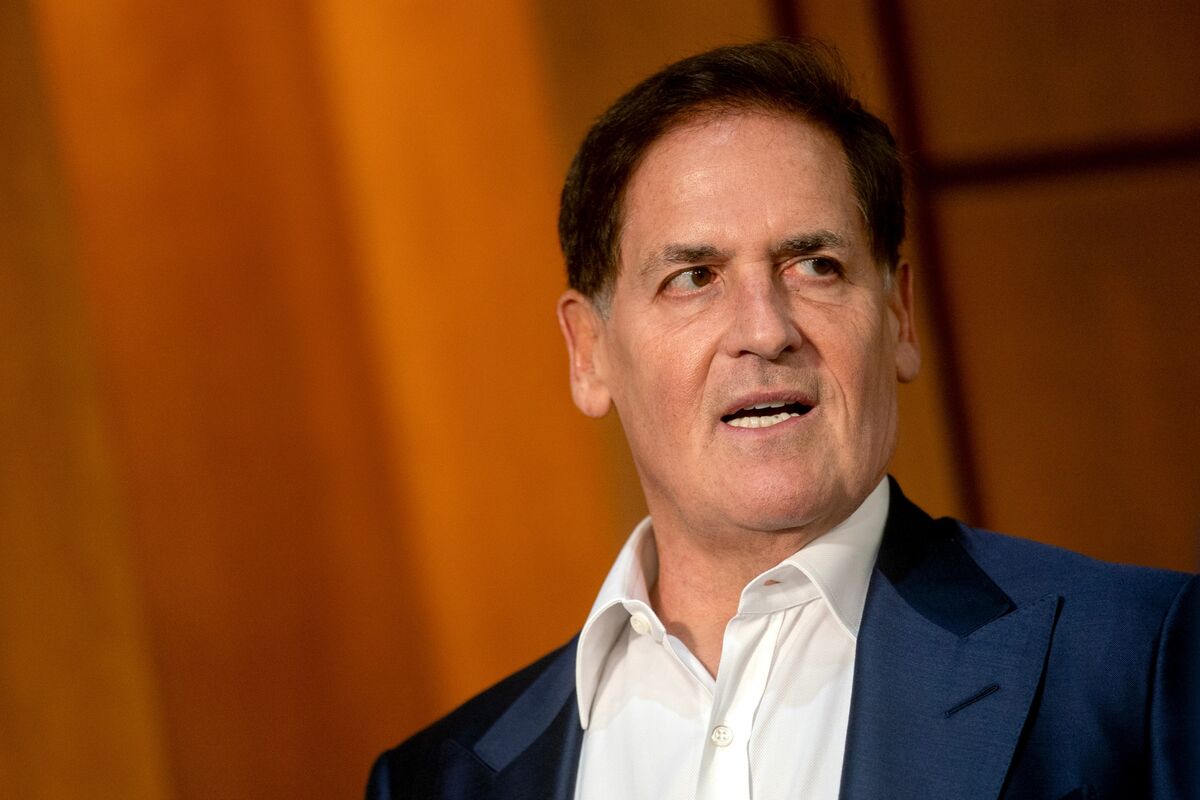
The White House is set to expand TrumpRx to include generic medications, with Mark Cuban expected at the rollout. The move is part of the administration's push to lower drug prices for government programs and sell medicines directly to consumers ahead of the midterm elections. The announcement is policy-oriented and incremental, with limited near-term market impact but some relevance for healthcare pricing and distribution.
This is less about immediate drug pricing relief and more about creating a politically durable distribution channel that weakens the traditional pharmacy middle layer. If direct-to-consumer generic volume scales even modestly, the margin pressure lands first on retail pharmacy and PBM-adjacent economics, while the actual manufacturers may be neutral-to-slightly positive from higher unit volume and lower rebating friction. The second-order winner is anyone with low-cost API, formulation, and fulfillment capacity that can plug into a consumer channel without depending on insurance adjudication.
The real market risk is that this evolves from a symbolic rollout into a repeatable procurement template. If federal and state agencies start benchmarking against TrumpRx pricing, it could reset reference points across cash-pay, low-deductible, and uninsured demand over the next 6-18 months. That would matter most for generic-heavy categories with high consumer elasticity, where modest price compression can shift share quickly and permanently reduce brick-and-mortar pharmacy traffic.
Consensus is likely overestimating the near-term fiscal impact and underestimating the political signaling value. A website launch does not automatically solve fulfillment, adherence, or physician prescribing friction, so the first-order revenue effect may be small. But the narrative itself can pressure healthcare intermediaries and keep drug pricing reform at the center of the policy agenda, which is a headwind for pharmacy chains and PBMs even if the direct channel remains niche.
The contrarian setup is that the move may be underdone for large-scale consumer adoption because it targets an overlooked cohort: cash-paying, price-sensitive patients who already shop around. If onboarding and delivery are frictionless, the program could siphon low-acuity prescriptions away from traditional channels faster than sell-side models assume. The main reversal trigger would be operational failure, legal pushback from incumbents, or evidence that consumers still prefer insured pharmacy convenience over lower sticker prices.
AI-powered research, real-time alerts, and portfolio analytics for institutional investors.
Request DemoOverall Sentiment
neutral
Sentiment Score
0.15
