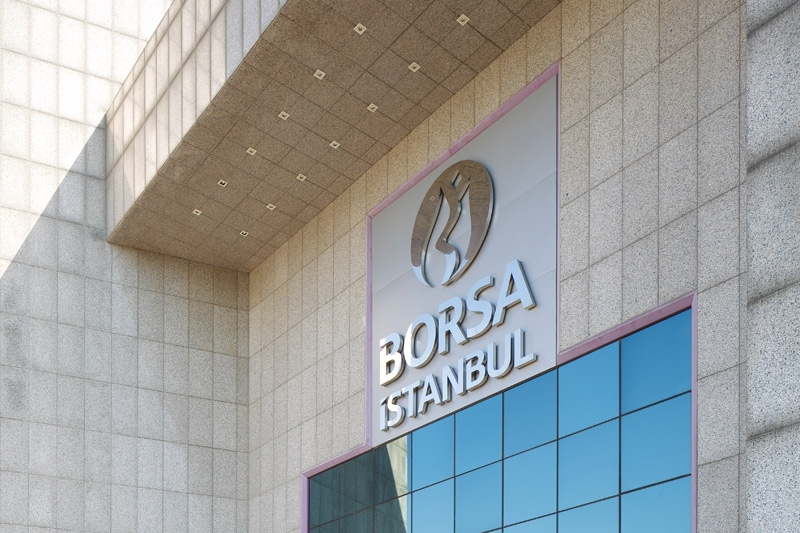
BIST 100 closed up 1.36% in Istanbul, led by Basic Metals, Textile & Leather and Electricity sectors; Kardemir (IS:KRDMD) rose 7.02% to 34.14 and Kuyas Yatirim (IS:KUYAS) gained 6.56% to 81.20 (both hit all-time highs), while Kiler Holding (IS:KLRHO) fell 7.47% to 109.00. Advancers outnumbered decliners 444 to 161 with 13 unchanged. Commodities were firmer: June gold futures +0.28% to $4,693.01/oz, WTI May crude +0.53% to $112.13/bbl and Brent June +0.47% to $109.54/bbl. FX moves were muted: USD/TRY flat at 44.59 and EUR/TRY +0.29% to 51.50; US Dollar Index futures -0.04% at 99.82.
Geopolitical friction around major maritime chokepoints is now a marginal cost shock to global shipping economics — not just a headline risk. Rerouting or added security increases voyage days and bunker consumption per cargo, which amplifies time-charter rates non-linearly for asset-light tanker and bulker owners while compressing container operators’ slot economics through cascading schedule disruption. Insurance and P&I premia will reprice first (days–weeks), charter rates next (weeks–months), and fleet renewal/capex decisions last (quarters–years), creating distinct windows to capture value via duration-matched trades.
For Turkey-style EMs that import energy but export industrial goods, the transmission mechanism is clear: higher freight/energy raises imported input costs and pass-through to CPI, pressuring the local currency and central-bank policy leeway. The asymmetric beneficiary set is exporters and commodity/steel producers with FX revenues and pricing power, while domestic consumers, construction names and energy-intensive utilities face margin squeeze unless they can immediately index prices to wholesale. Capital flows chasing yield can amplify moves in both directions — inflows on yield chase, rapid outflows on policy or diplomatic shocks.
Key reversal scenarios are diplomatic de-escalation, rapid naval escorts that materially lower perceived route risk, or a demand shock from China that collapses freight demand; each could compress tanker/insurance premia within 30–90 days. The consensus currently pays up for pure-play tanker upside while underweighting short-duration container schedule risk and the FX sensitivity of EM domestic plays. That asymmetry creates clean pair and options structures with defined losses and convex upside if the chokepoint premium persists.
AI-powered research, real-time alerts, and portfolio analytics for institutional investors.
Request DemoOverall Sentiment
neutral
Sentiment Score
0.08
