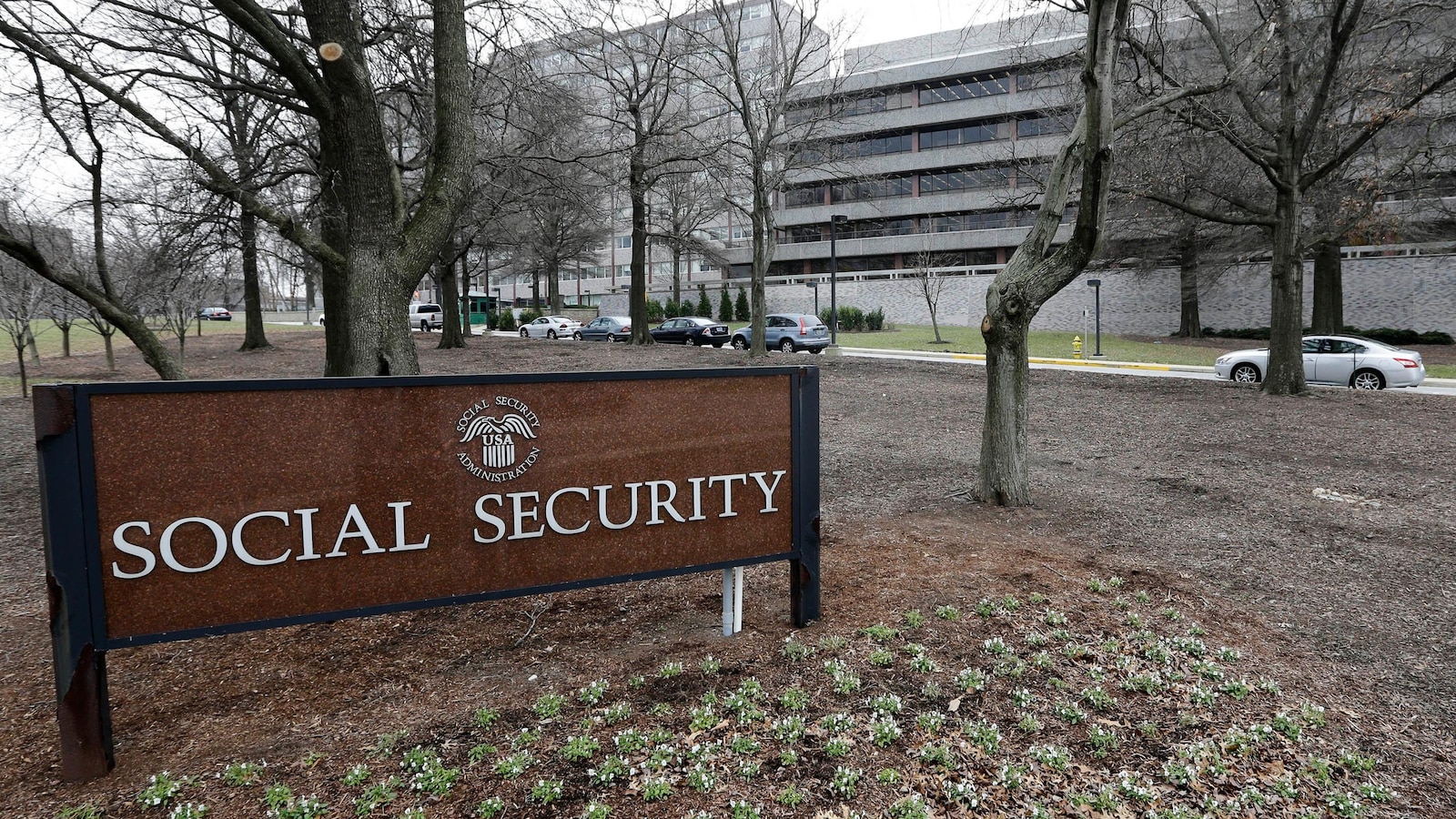
The 2024 Social Security cost-of-living adjustment (COLA) announcement, impacting 70.6 million beneficiaries, has been delayed until October 24th due to the ongoing government shutdown, which also postponed the September Consumer Price Index release. While a 2.7% COLA increase is projected, the delay highlights broader concerns among beneficiaries and advocates who argue the current CPI calculation inadequately reflects older Americans' costs, particularly healthcare, and are pushing for a shift to the CPI-E index. This development occurs as the Social Security trust fund faces accelerated depletion, now projected to pay only 81% of scheduled benefits starting in 2034, alongside recent workforce reductions at the agency, underscoring significant fiscal and operational challenges.
The 2024 Social Security cost-of-living adjustment (COLA) announcement for 70.6 million beneficiaries has been delayed until October 24th due to the government shutdown, which also postponed the September Consumer Price Index release. This delay, coupled with beneficiary concerns about the adequacy of a projected 2.7% COLA increase, highlights the broader financial uncertainty impacting retirees. This situation contributes to a moderately negative sentiment surrounding economic data and fiscal policy.
Advocacy groups and lawmakers are actively lobbying for a shift to the Consumer Price Index for the Elderly (CPI-E) for COLA calculations, arguing the standard CPI inadequately captures healthcare and other essential costs for older Americans. This legislative push reflects a growing dissatisfaction with current benefit adjustments amidst persistent inflation and underscores potential future changes in how benefits are determined.
The program faces accelerated fiscal deterioration, with the trust fund now projected to pay only 81% of scheduled benefits starting in 2034, a year earlier than previous estimates. This financial shortfall is exacerbated by recent workforce reductions, with 7,000 employees laid off from the Social Security Administration, potentially impacting operational efficiency and service delivery, and signaling deeper structural challenges.
AI-powered research, real-time alerts, and portfolio analytics for institutional investors.
Overall Sentiment
moderately negative
Sentiment Score
-0.60
