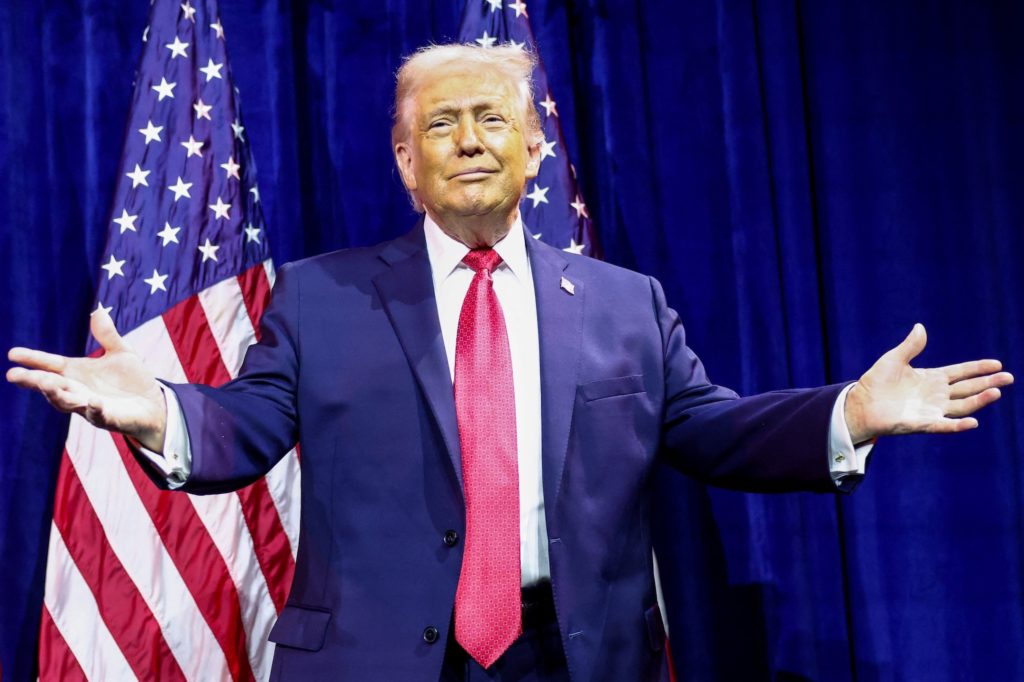
The piece outlines a shift in U.S. policy under President Trump toward a more muscular, regionally assertive doctrine — including direct pressure and military threats aimed at Venezuela, Mexico, Colombia and even Greenland — and debates whether relying on regime remnants in Caracas (Delcy Rodríguez) can open Venezuela’s oil sector to U.S. interests. Analysts warn the approach risks alienating key partners needed for counter-narcotics and migration cooperation and creates execution uncertainty that could perturb regional stability and energy supply expectations. For investors, the immediate market impact is moderate: heightened geopolitical risk to Latin America and Venezuela-specific oil prospects warrant a cautious stance but lack clear near-term, market-moving catalysts.
Market structure: The administration’s hawkish Western Hemisphere posture is a positive shock for U.S. defense primes (Lockheed LMT, Raytheon RTX, Northrop NOC) and energy-service firms (Schlumberger SLB, Halliburton HAL) if funding for regional basing, ISR, and oilfield restart work increases over 6–24 months. losers are EM sovereigns and FX exposed to Mexico/Colombia/Venezuela (widening sovereign spreads by 50–200bp plausible) and LatAm E&P equities if political risk curbs immediate investment. Oil markets see two-way pressure: near-term risk-premium support to Brent (spikes +5–15% on instability), but medium-term downside if Venezuela restores 0.5–1.5 mbpd over 12–24 months.
Risk assessment: Tail risks include a limited US kinetic operation in Venezuela or a diplomatic rupture with NATO ally Denmark—both low probability (<10%) but high impact (commodity shocks, 100–300bp sovereign spread moves). Immediate (days) impact = FX/EM vols jump; short-term (weeks–months) = capital flight into USD/Treasuries and gold; long-term (quarters–years) = shifting supply chains toward Russia/China if partners alienated. Hidden dependencies: success depends on local powerbrokers (Cabello, Padrino) not flipping; cartel/state capture could block E&P restart despite US approvals.
Trade implications: Tilt portfolios to defense and energy services for 6–12 months, hedge EM sovereign and FX exposure, and buy oil/energy volatility with time-limited call spreads to capture geopolitical spikes while capping premium paid. Use pair trades (long US defense vs short LatAm cyclical exporters) and prefer USD and long-dated Treasuries as flight-to-quality for 1–3 months. Key catalysts: Venezuela output data (monthly PDVSA exports), US policy statements (60–90 day windows), and regional election outcomes.
Contrarian angles: The consensus frames a binary outcome (occupation vs status quo); market misprices the middle path where selective sanctions + local deals open some oil flows but leave political instability — a stagflationary outcome (higher oil, weaker EM growth) that favors defense contractors, oil services, and inflation hedges. Historical parallel: post-2002 Venezuelan disruptions produced initial dislocation then multi-year opportunities for selective purchasers of sovereign risk once social order stabilized. Unintended consequence: heavy pressure could accelerate LatAm pivot to China/Russia, creating durable market access losses for US multinationals over 2–5 years.
AI-powered research, real-time alerts, and portfolio analytics for institutional investors.
Request DemoOverall Sentiment
moderately negative
Sentiment Score
-0.35
