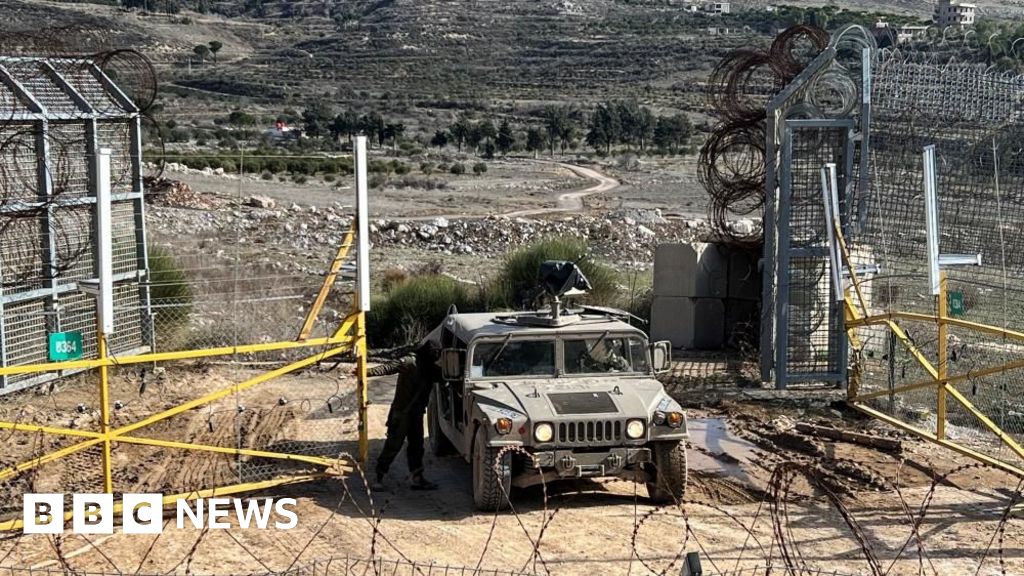
Israeli forces conducted an overnight raid on the Syrian village of Beit Jinn on the edge of the occupied Golan Heights, killing at least 10 people (including children), injuring dozens and wounding six Israeli soldiers; the IDF said it apprehended suspects and targeted the Jaama Islamiya group, releasing footage of air strikes and reporting arrests. Syrian state media and the UK-based SOHR reported shelling, a building collapse and multiple civilian casualties; the incident underscores elevated security tensions as Israel expands operations into southern Syria since the collapse of Bashar al-Assad’s control, complicating US-mediated security talks and raising short-term regional risk for investors.
Market structure: A localized Israeli raid raises near-term demand for defense, ISR (intelligence, surveillance, reconnaissance) services and precision munitions while depressing regional tourism, real assets and local FX/liquidity in Syria/Lebanon. Expect defense contractors with Middle East exposure (backlog and MRO + parts) to see 3–12% order visibility bump over 3–6 months; crude oil and freight volatility will rise in the first 1–4 weeks as traders price disruption risk.
Risk assessment: Tail risks include escalation involving Hezbollah or Iran that could lift Brent by $10–30/bbl within days and force a 5–12% global equity drawdown; probability low-medium (10–25%) over 30 days but high impact. Hidden dependencies: US diplomatic moves, Israeli domestic politics, and proxy responses determine persistence; catalysts are cross-border strikes, major tanker attacks or formal Iranian statements — monitor those in real time.
Trade implications: Short-term (days–weeks) prefer volatility and event hedges vs buy-and-hold: long 1–3 month Brent calls and 3-month call spreads on large defense primes rather than straight equity exposure; allocate 1–3% to gold and 2–3% to 7–10y Treasuries as liquidity and duration hedge. Avoid overweight EM sovereign credit sensitive to Levant instability; prefer relative value (long defense vs short broad industrials) for 3–6 months.
Contrarian angles: Markets often overshoot — prior similar skirmishes produced sharp 3–7% oil/FX moves then mean-reversion inside 2–6 weeks. If oil rallies >10% in 7 days, sell into strength with a defined taper; value in selective buying of beaten-down regional equities/credit appears within 4–8 weeks if escalation does not broaden.
AI-powered research, real-time alerts, and portfolio analytics for institutional investors.
Request DemoOverall Sentiment
moderately negative
Sentiment Score
-0.60
