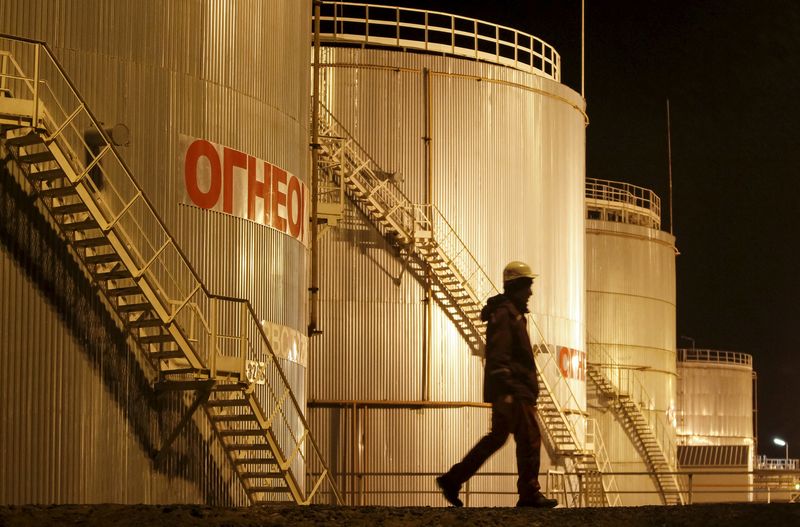
Oil prices fell in Asian trading as Russia's Novorossiysk port resumed crude loadings, alleviating immediate supply concerns that had driven prices higher after a Ukrainian attack. Despite this easing, market caution persists due to ongoing Ukrainian drone attacks on other Russian refineries and tightening U.S. sanctions on Russian oil majors, which analysts warn are increasing supply risks even as a market surplus is projected through 2026.
Oil prices experienced a modest decline in Asian trading, with Brent futures falling 0.9% to $63.80 and WTI slipping 1% to $59.47. This retreat followed the swift resumption of crude loadings at Russia's Novorossiysk port, which alleviated immediate supply disruption fears that had caused prices to surge over 2% on Friday after a Ukrainian attack. Tanker-tracking data confirmed the port's operational status by Sunday, signaling a temporary stabilization of supply.
Despite the immediate easing, market sentiment remains cautious, reflecting a moderately negative outlook with a sentiment score of -0.45. Ongoing Ukrainian drone attacks on other Russian energy infrastructure, specifically the Ryazan and Novokuibyshevsk refineries, introduce fresh concerns regarding long-term supply disruptions. These escalating geopolitical tensions contribute to persistent supply-side uncertainty.
Further compounding supply risks are tightening U.S. sanctions, which will prohibit dealings with Russian oil majors Lukoil and Rosneft after November 21, potentially stranding crude. ING analysts emphasize that while a large market surplus is projected through 2026, the increasing intensity of Ukrainian attacks and broader geopolitical events, such as Iran's recent tanker seizure near the Strait of Hormuz, present significant and growing supply-side challenges.
AI-powered research, real-time alerts, and portfolio analytics for institutional investors.
Overall Sentiment
moderately negative
Sentiment Score
-0.45
Ticker Sentiment
