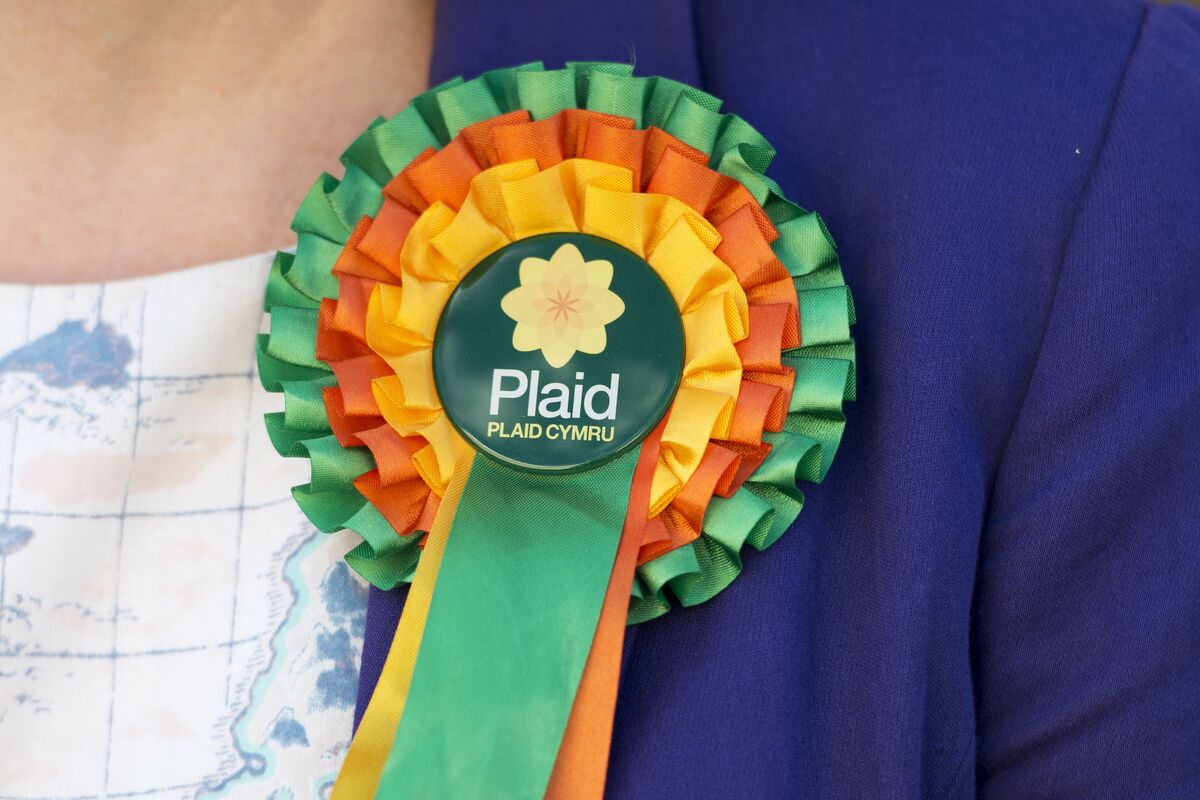
Plaid Cymru is projected to win 43 of 96 Senedd seats in a YouGov MRP poll, six seats short of an outright majority (49) ahead of the May 7 vote. That would make Plaid the largest party in Wales for the first time since 1999 and puts leader Rhun ap Iorwerth in pole position to become first minister. The result signals a notable regional political shift and a potential headache for UK Prime Minister Keir Starmer, but is unlikely to have immediate, broad market consequences.
This result is best viewed as a regional political shock that amplifies a policy tilt rather than an immediate macro shock. Expect a 3–12 month window in which Welsh public procurement, planning approvals and local content rules are re-priced by contractors and energy developers bidding for onshore wind, tidal and grid reinforcement work — a 5–10% premium for Wales-focused contractors and developers is plausible if local-first clauses are introduced.
Second-order supply-chain effects: modular construction suppliers, civil contractors and grid-connectivity vendors with concentrated Welsh revenues (~>10% of sales) stand to see orderbook upgrades, while national housebuilders reliant on private-market starts could face relative weakness as public-build replaces private delivery. This creates a sectoral rotation opportunity rather than a broad sovereign-risk event; sterling and gilts should be sensitive only in headline windows (days) unless the movement sparks wider devolution/independence momentum over years.
Key reversal risks are classic polling overstating turnout and a short-term consolidation into tactical coalitions that blunt policy change. If Labour stabilizes in subsequent opinion runs or Plaid must form a multi-party government, much of the re-pricing in contractor bids and local markets could unwind within 1–3 months. Monitor Welsh-bench by-elections, local council budget amendments, and the first 90 days of procurement guidance for hard signals that convert political momentum into contracts.
AI-powered research, real-time alerts, and portfolio analytics for institutional investors.
Request DemoOverall Sentiment
neutral
Sentiment Score
0.00
